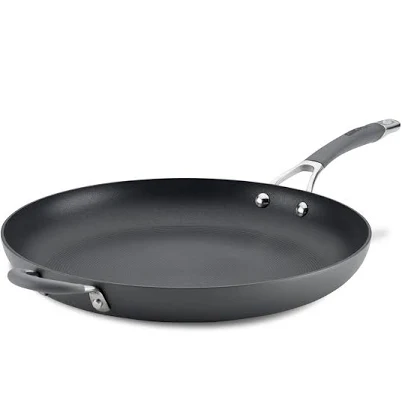
Circulon Radiance Hard Anodized Frying Pan
Nonstick coating unspecified; PFAS risk unknown without further disclosure.
Circulon does not disclose nonstick coating details or PFAS status for this pan. Hard anodized base is lower concern, but coating composition remains unclear.
The better-graded swap
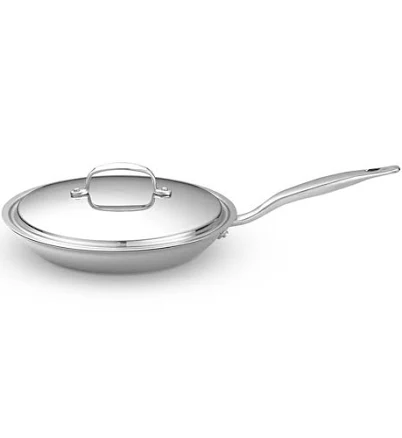
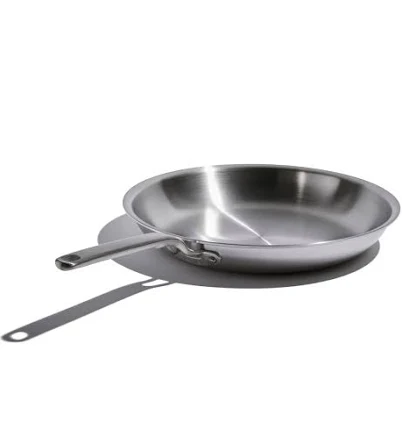
Heritage Steel
Heritage Steel 10.5" Fry Pan with Lid
100/100 safety
Same rubric that flunked this product. The swap earned Excellent.
Still want this one anyway? Check the price on Amazon. We’d swap it.
Material
hard anodized aluminum with unspecified nonstick coating
Lab data
No public lab test
Is Circulon Radiance Hard Anodized Frying Pan non-toxic? What it is made of
Circulon Radiance uses hard anodized aluminum, a process that densifies the aluminum oxide layer on the surface to improve durability and reduce direct aluminum contact with food. However, the nonstick coating itself is not specified by the brand in public materials, leaving its chemical composition opaque. Hard anodized cookware has lower concern than bare aluminum because the anodized layer acts as a barrier, but this protection depends entirely on coating integrity. If the nonstick layer degrades or chips, aluminum exposure becomes a real concern.
What’s concerning
Category baseline
The starting point for this type of product, before anything specific to this product is counted.
No PFAS disclosure
No public statement from the brand about PFAS in this product.
Non-stick, chemistry undisclosed
Marketed as non-stick without stating the coating chemistry.
Aluminum leaching (if anodized layer breached)
Hard anodization creates a protective barrier, but chipping, scratching, or prolonged contact with acidic foods can compromise it. No independent testing of this specific product for aluminum migration has been published, but the risk exists if the coating degrades.
Nonstick coating degradation and fume release
The nonstick coating type is unspecified. If Teflon-type coating-based (common in older Circulon lines), high-heat use above manufacturer limits may release fumes. Without disclosure, the actual risk cannot be quantified; modern formulations may be lower-risk alternatives.
Teflon-type coating fume inhalation risk
Circulon has historically used Teflon-type coating-based coatings in some product lines. If Radiance continues this practice, overheating (above 500°F) can trigger Teflon-type coating decomposition and inhalation of irritant gases. The brand's silence on this point is the primary concern.
Coating flaking into food
General complaints about nonstick coating flaking or peeling on Circulon cookware appear in consumer reviews, though no official safety recall has been issued. This suggests coating adhesion may be a durability issue over time, particularly with frequent or aggressive use.
What’s reassuring
Lead
Hard anodized aluminum cookware from major manufacturers is not documented to contain lead or cadmium in the anodizing process itself. No published recalls or testing findings for Circulon Radiance suggest this hazard.
Source, ATSDR ↗The full breakdown
The brand's record and disclosure
Circulon, owned by Groupe SEB, does not publicly disclose whether their nonstick coatings are Teflon-type coating-free or PFAS-containing on most product pages. The company has not published independent certifications (such as GREENGUARD or similar) for this line. No major safety recalls specific to Circulon Radiance have been documented in public databases, but the lack of transparency around coating chemistry is a significant gap. Consumers must contact the brand directly for details on nonstick formulation.
How it compares in its category
Hard anodized cookware sits in the mid-range safety tier, better than non-stick coatings with known Teflon-type coating formulas, but less transparent than brands that explicitly certify PFAS-free or use ceramic-only coatings. Circulon Radiance offers practical durability advantages over lighter nonstick pans, but without coating chemistry disclosure, direct comparison to competitors like GreenPan or Caraway is difficult. The hard anodized substrate itself is standard and not a differentiator in safety terms.
If you buy it
Use only on medium heat or below; high heat can accelerate nonstick coating breakdown and increase any potential fume risk if Teflon-type coating-based. Avoid metal utensils and abrasive scrubbers, which will compromise the anodized and nonstick layers faster. Replace the pan if the nonstick surface chips, flakes, or shows visible wear, as damaged coatings may leach. Before purchase, contact Circulon customer service to confirm the nonstick coating type; if they cannot specify PFAS-free, that absence of disclosure should inform your decision.
What we don’t know
- Basis
- Model estimate, 35% confidence, not a lab result
- Lab test
- None on record for this exact product
- Brand statement
- Circulon has made a specific claim
Formulations change between production runs, so check the current label. How we grade.
Better-graded alternatives in Cookware
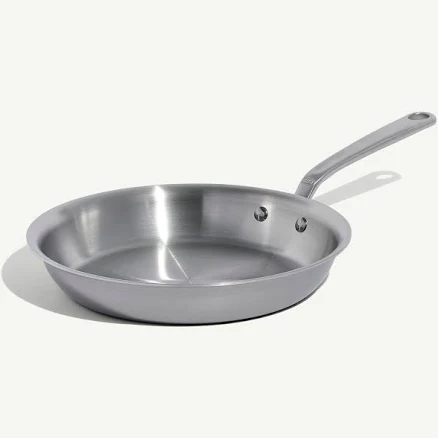
Made In
Stainless Clad Fry Pan
- Stainless steel clad construction, no nonstick coating
- The brand calls it PFAS-free, which we have not verified
- Clad separation or delamination over time
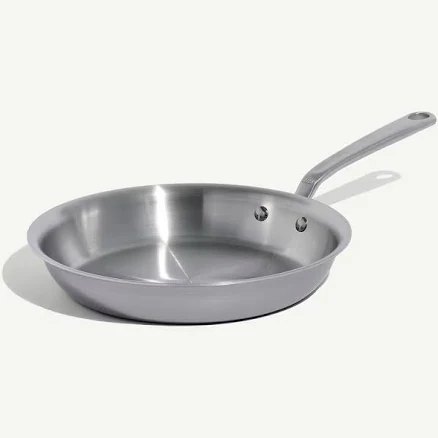
Made In
10' Stainless Clad Frying Pan
- stainless steel clad construction, no nonstick coating
- The brand calls it PFAS-free, which we have not verified
- Nickel leaching from stainless steel
3 hazards checked on this product. See all of them.
Heritage Steel
Eater Fry Pan
- Clad stainless steel, no coating
- The brand calls it PFAS-free, which we have not verified
- Metal ion release during cooking (iron, nickel, chromium)
More cookware grades
How we score, every product runs through the same public 0-100 rubric based on materials, coatings, brand disclosure, lab findings, and recalls. See the full methodology → Spotted a mistake? Report an error.