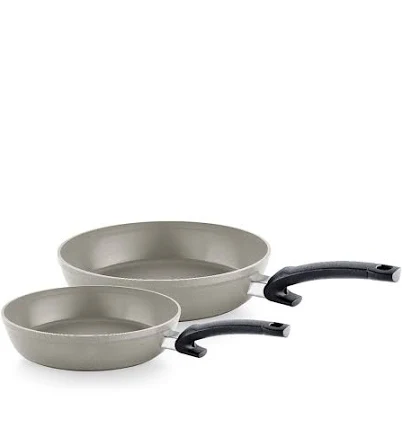
Fissler Ceratal Comfort Ceramic Frying Pan 2 Piece Set, Is It Non-Toxic?
Ceramic non-stick coating with undisclosed chemistry and no brand PFAS statement.
This frying pan has a ceramic non-stick coating, but the coating chemistry is not stated. Fissler has no PFAS statement on record for this product.
The better-graded swap
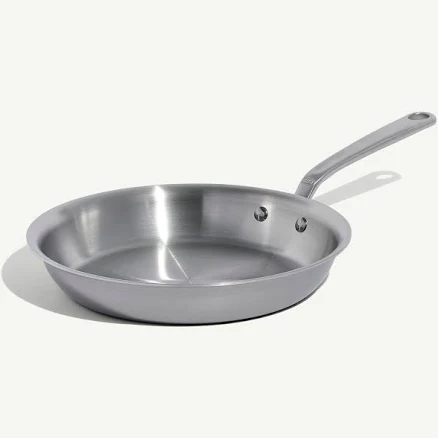
Made In
Made In Stainless Clad Fry Pan
100/100 safety
Same rubric that flunked this product. The swap earned Excellent.
Still want this one anyway? Check the price on Amazon. We’d swap it.
Material
ceramic non-stick coating
Brand disclosure
Brand is silent on PFAS
Lab data
No public lab test
You may also be interested in
Top-graded picks in the categories readers replace first, every one scored on the same rubric.

- polypropylene filter housing, carbon/sediment cartridge
- We found no PFAS statement from the brand
- Bacterial growth in spent cartridges
3 hazards checked on this product, all on its full breakdown.

Aquasure
Premier Series 75 GPD Under Sink Reverse Osmosis Water Filtration System
- RO membrane, carbon filters, stainless steel housing
- We found no PFAS statement from the brand
- Bacterial and microbial growth in housing and filters
4 hazards checked on this product, all on its full breakdown.

Avocado
Vegan Mattress
- organic cotton, natural latex, coconut coir, recycled steel coils
- The brand calls it PFAS-free, which we have not verified
- Heavy metals
2 hazards checked on this product, all on its full breakdown.
Is Fissler Ceratal Comfort Ceramic Piece Set non-toxic? What it is made of
This pan uses a ceramic non-stick coating applied over an aluminum or steel base. Fissler does not publicly specify the binder chemistry or curing process for their Ceratal Comfort ceramic coating, which is the critical gap for evaluating whether it contains Teflon-type coating, PFOA, or other fluorinated compounds. Ceramic coatings may present lower concern than traditional Teflon-type coating when formulated without fluorine, but coating durability and leaching risk depend entirely on formulation details Fissler has not disclosed.
What’s concerning
Non-stick, chemistry undisclosed
Marketed as non-stick without stating the coating chemistry.
Category baseline
The starting point for this type of product, before anything specific to this product is counted.
No PFAS disclosure
No public statement from the brand about PFAS in this product.
Ceramic coating degradation and leaching
Fissler does not disclose durability testing, cure chemistry, or expected lifespan for the Ceratal Comfort coating. If the coating binder includes heavy metals (lead, cadmium) as stabilizers or if the coating delaminates, leaching into acidic or prolonged contact foods is possible. Ceramic coatings are prone to microcracking under thermal shock and dishwasher cycles.
Aluminum leaching from base metal
If the pan's base is aluminum and the ceramic coating is damaged or thin, acidic foods (tomatoes, citrus, vinegar) can leach aluminum. Fissler does not specify whether the base is pure aluminum or an alloy, or whether a barrier layer exists beneath the ceramic. Long-term high-level aluminum exposure has been studied in relation to cognitive health, though causation remains debated.
Teflon-type coating or fluorinated coating chemistry (unstated)
Fissler markets Ceratal Comfort as 'ceramic' but does not explicitly rule out fluorinated binders or sub-layers common in hybrid ceramic-Teflon-type coating coatings. Some ceramic non-stick products contain a thin Teflon-type coating primer or fluorinated adhesive. Without a PFAS statement or third-party test report, presence cannot be ruled out. Heating above 500 degrees F could trigger Teflon-type coating fume release if present.
Coating durability and product lifespan
Ceramic non-stick coatings typically last 2-5 years with proper care, significantly shorter than stainless steel or cast iron. Fissler does not publish expected lifespan or warranty coverage for coating failure. Early coating failure may force premature replacement and repeated purchase of an insufficiently transparent product.
What’s reassuring
Lead
No recalls or public testing reports of lead or cadmium contamination in Fissler Ceratal Comfort cookware are on record. However, Fissler does not provide independent lab certification (e.g., FDA or third-party lead/cadmium testing reports) to rule this out definitively for the ceramic coating or enamel, if present.
Source, ATSDR ↗How is this PFAS grade calculated?
The brand's record and disclosure
Fissler is a German-owned cookware manufacturer with a long history but has not published comprehensive material safety data sheets or PFAS statements for consumer products. The brand markets Ceratal Comfort as a ceramic alternative but provides no third-party testing, certifications (such as GreenGuard or similar), or written commitment to avoid fluorinated compounds. This silence on a hazard class increasingly important to consumers represents a transparency weakness, not necessarily a product failure.
How it compares in its category
Ceramic non-stick cookware sits between traditional Teflon-type coating pans and cast iron or stainless steel in the safety spectrum. Unlike Teflon-type coating, ceramic coatings do not off-gas fumes at normal cooking temperatures if fluorine-free, but many competing brands (such as GreenPan and Our Place) explicitly certify their ceramic coatings as Teflon-type coating and PFOA free. Fissler's lack of equivalent disclosure makes direct comparison difficult and puts this product at a comparative disadvantage in the transparency arena.
If you buy it
Keep heat below 400 degrees Fahrenheit to prevent coating stress and potential degradation. Hand-wash only; dishwasher use degrades ceramic coatings faster. Inspect the coating monthly for chips, peeling, or discoloration; discard and replace if visible damage occurs, as a compromised coating may leach base metals or coating particulates. Avoid metal utensils and acidic foods stored directly in the pan, both of which accelerate coating wear.
What is not known about PFAS in this product?
- Basis
- Model estimate, 78% confidence, not a lab result
- Lab test
- None on record for this exact product
- Brand statement
- Fissler has made none
Formulations change between production runs, so check the current label. How we grade.
What are the PFAS-free alternatives to Fissler Ceratal Comfort Ceramic Frying Pan 2 Piece Set?
- Stainless steel clad construction, no nonstick coating
- The brand calls it PFAS-free, which we have not verified
- Clad separation or delamination over time
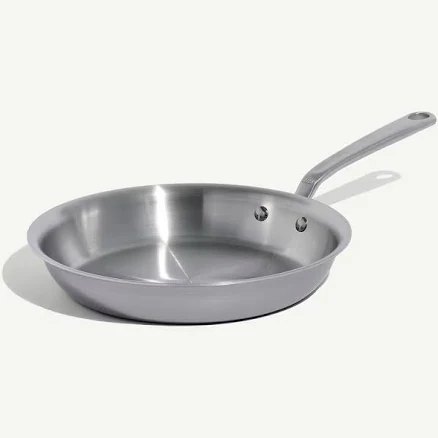
- stainless steel clad construction, no nonstick coating
- The brand calls it PFAS-free, which we have not verified
- Nickel leaching from stainless steel
3 hazards checked on this product, all on its full breakdown.
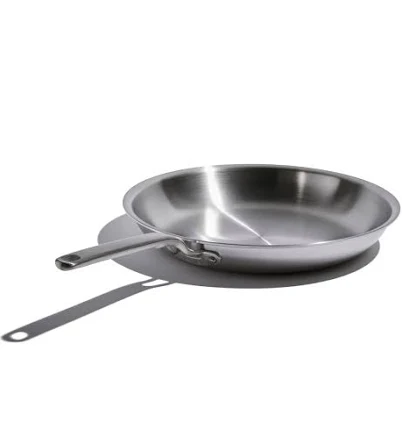
- Clad stainless steel, no coating
- The brand calls it PFAS-free, which we have not verified
- Metal ion release during cooking (iron, nickel, chromium)
More cookware grades
How we score, every product runs through the same public 0-100 rubric based on materials, coatings, brand disclosure, lab findings, and recalls. See the full methodology → Spotted a mistake? Report an error.