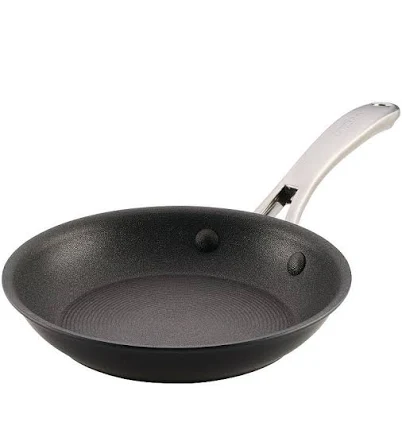
Circulon ScratchDefense A1 Nonstick Skillet
Nonstick coating chemistry not stated, brand has no PFAS statement on record.
Circulon does not disclose the chemistry of its ScratchDefense nonstick coating. Traditional nonstick cookware often contains Teflon-type coating or PFOA-legacy Teflon-family coating. Without confirmation of alternative chemistry, concern remains elevated.
The better-graded swap
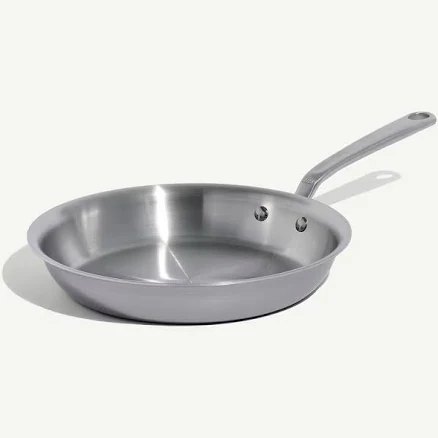
Made In
MADE IN 10' Stainless Clad Frying Pan
100/100 safety
Same rubric that flunked this product. The swap earned Excellent.
Still want this one anyway? Check the price on Amazon. We’d swap it.
Material
proprietary nonstick coating, unspecified
Lab data
No public lab test
Is Circulon ScratchDefense A1 Nonstick non-toxic? What it is made of
Circulon ScratchDefense uses a proprietary nonstick coating that the manufacturer does not publicly specify by chemistry name or PFAS content. The pan body is typically hard-anodized aluminum with a textured base (Circulon's trademark design). The lack of chemical transparency is the primary concern here, since nonstick coatings historically fell into Teflon-type coating or Teflon-type coating-alternative categories, each with distinct heating and degradation profiles.
What’s concerning
Category baseline
The starting point for this type of product, before anything specific to this product is counted.
No PFAS disclosure
No public statement from the brand about PFAS in this product.
Non-stick, chemistry undisclosed
Marketed as non-stick without stating the coating chemistry.
Teflon-type coating fume risk (heating degradation)
If the proprietary coating contains Teflon-type coating or Teflon-type coating-based polymers, heating above 500 F risks polymer breakdown and fume release. Circulon does not confirm absence of Teflon-type coating. Overheating a nonstick pan is rare in normal stovetop use but possible if left unattended on high heat.
Aluminum leaching from substrate
Hard-anodized aluminum forms a protective oxide layer, but coating damage, salt exposure, or acidic foods can breach this barrier. The textured base design increases surface area and potential contact points. Leaching risk is low with intact coating but rises significantly if the nonstick surface chips or peels.
Coating degradation and microparticle release
Nonstick cookware coatings degrade with time and use, especially with metal utensils or high-heat cycling. Circulon's ScratchDefense brand name suggests improved scratch resistance, but publicly available independent durability testing of this specific line is not on record. Users report visible wear within 2-3 years of regular use.
Manufacturing solvent off-gassing
Proprietary nonstick coatings are typically applied with organic solvents or processing chemicals that can off-gas during initial heating. Circulon does not disclose solvent residue limits. Hand washing and airing out a new pan, plus running it empty on low heat before cooking, reduces exposure.
What’s reassuring
Lead
Circulon's handles and any decorative elements do not appear to use hand-glazed ceramic or traditional enamel finishes known to carry lead risk. Hard-anodized aluminum does not inherently contain lead or cadmium, but manufacturing quality controls are not publicly documented.
Source, ATSDR ↗The full breakdown
The brand's record and disclosure
Circulon (owned by Meyer Corporation) has not published PFAS statements or third-party testing results for this line in publicly available sources. The brand does not voluntarily disclose coating composition beyond marketing claims like 'ScratchDefense.' No major recalls specific to coating safety have been recorded for this model. This silence on chemistry and PFAS is typical of legacy nonstick brands but leaves end-users unable to make fully informed choices.
How it compares in its category
Mid-range nonstick cookware like this occupies a middle ground, cheaper than premium ceramic-alternative or stainless-steel options, but typically using older proprietary coatings rather than newer, disclosed alternatives. Brands like GreenPan and Our Place offer more transparent PFAS-free claims. Circulon's design focus (textured base, scratch resistance) prioritizes durability over chemical clarity, making it acceptable for budget-conscious buyers but riskier for those seeking full transparency.
If you buy it
Keep heat below medium-high (under 400-450 F) to minimize any coating fume risk, especially during the first few uses when residual manufacturing solvents may off-gas. Hand wash rather than dishwasher to extend coating life and reduce mechanical wear that exposes underlying aluminum. Inspect the coating annually for chipping, peeling, or discoloration. Replace within 5-7 years or sooner if coating damage appears, as compromised surfaces may leach aluminum or expose bare metal at higher temperatures.
What we don’t know
- Basis
- Model estimate, 35% confidence, not a lab result
- Lab test
- None on record for this exact product
- Brand statement
- Circulon has made a specific claim
Formulations change between production runs, so check the current label. How we grade.
Better-graded alternatives in Cookware
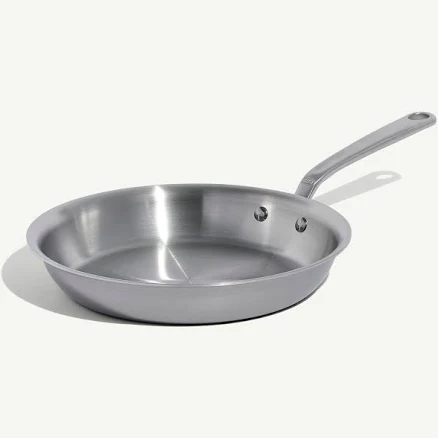
Made In
Stainless Clad Fry Pan
- Stainless steel clad construction, no nonstick coating
- The brand calls it PFAS-free, which we have not verified
- Clad separation or delamination over time
Made In
10' Stainless Clad Frying Pan
- stainless steel clad construction, no nonstick coating
- The brand calls it PFAS-free, which we have not verified
- Nickel leaching from stainless steel
3 hazards checked on this product. See all of them.
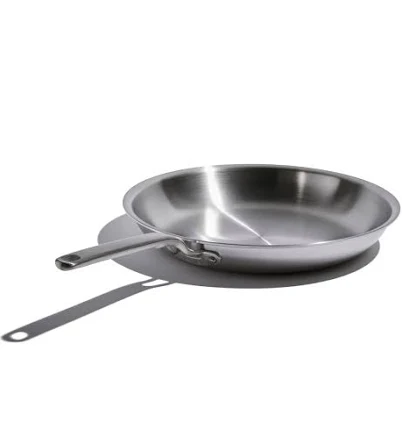
Heritage Steel
Eater Fry Pan
- Clad stainless steel, no coating
- The brand calls it PFAS-free, which we have not verified
- Metal ion release during cooking (iron, nickel, chromium)
More cookware grades
How we score, every product runs through the same public 0-100 rubric based on materials, coatings, brand disclosure, lab findings, and recalls. See the full methodology → Spotted a mistake? Report an error.