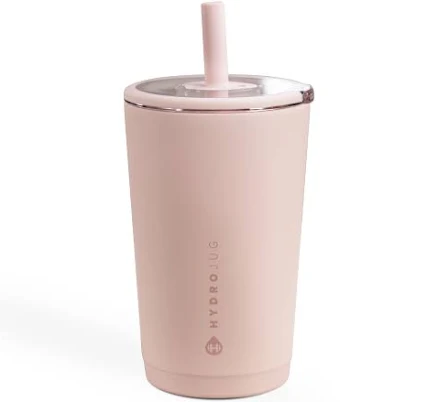
HydroJug · Insulated Drink Tumblers
HYDROJUG Everyday Tumbler
Low risk; standard insulated tumbler with no known PFAS risk factors.
This double-wall acrylic or plastic tumbler has no reported waterproof coatings or nonstick finishes. The brand doesn't disclose PFAS presence or absence. Typical acrylic drinkware carries lower PFAS risk than coated products.
We flunk more products than we pass. This one earned its grade. How we grade
Material
double-wall plastic/acrylic tumbler
Brand disclosure
Brand is silent on PFAS
Lab data
No public lab test
You may also be interested in
Top-graded picks in the categories readers replace first, every one scored on the same rubric.

- polypropylene filter housing, carbon/sediment cartridge
- We found no PFAS statement from the brand
- Bacterial growth in spent cartridges
3 hazards checked on this product, all on its full breakdown.

Aquasure
Premier Series 75 GPD Under Sink Reverse Osmosis Water Filtration System
- RO membrane, carbon filters, stainless steel housing
- We found no PFAS statement from the brand
- Bacterial and microbial growth in housing and filters
4 hazards checked on this product, all on its full breakdown.

Avocado
Vegan Mattress
- organic cotton, natural latex, coconut coir, recycled steel coils
- The brand calls it PFAS-free, which we have not verified
- Heavy metals
2 hazards checked on this product, all on its full breakdown.
What HYDROJUG Everyday Tumbler is made of, ingredients and materials
The HYDROJUG Everyday Tumbler is constructed from double-wall acrylic plastic, a rigid polymer chosen for thermal insulation and durability rather than flexibility. Acrylic (polymethyl methacrylate or PMMA) does not inherently contain BPA, phthalates, or PVC plasticizers as part of its base chemistry. The double-wall design traps air for insulation without requiring foam or chemical blowing agents, reducing off-gassing risk compared to some foam-insulated alternatives.
What’s concerning
No PFAS disclosure
No public statement from the brand about PFAS in this product.
Category baseline
The starting point for this type of product, before anything specific to this product is counted.
Polymer leaching (general)
Acrylic does not routinely leach toxic monomers under normal cold-beverage use, but prolonged contact with hot liquids, alcohol, or acidic drinks (citrus, vinegar) can accelerate polymer breakdown and trace monomer release. Risk is low for intended cold-drink use.
Microplastic generation
Scratched or degraded acrylic surfaces can shed microplastics, especially in the insulation cavity where material is rubbed by thermal stress. Regular inspection and timely replacement mitigate this risk.
Bacterial growth in double-wall cavity
If the seal between walls is compromised or liquid enters the insulation space, stagnant water can harbor bacteria. This is a maintenance and design issue, not a chemical hazard, but represents a practical safety concern.
What’s reassuring
Base material not linked to PFAS
The main material recorded for this product is not one associated with PFAS.
Colorant or additive leaching
No specific heavy metals, azo dyes, or banned colorants have been reported in HYDROJUG products. Acrylic can be tinted with FDA-approved pigments, but public records show no violations or recalls tied to this tumbler.
Off-gassing
Acrylic does not typically off-gas volatile organic compounds (VOCs) or formaldehyde at room temperature, unlike some foam-insulated or polyurethane alternatives. No odor complaints are documented for this product line.
How is this PFAS grade calculated?
The brand's record and disclosure
Cuppy (the parent brand behind HYDROJUG) maintains a public silent stance on PFAS and broader chemical safety disclosures; no third-party certifications (such as NSF, BPA-free labeling, or safety test reports) are publicly documented for this product line. The brand has not issued recalls or faced documented safety controversies specific to the Everyday Tumbler. Lack of transparency does not indicate a problem, but also means independent verification of manufacturing controls is unavailable.
How it compares in its category
Acrylic tumblers occupy a middle ground in the insulated drinkware market, lower concern than polycarbonate (which can leach BPA) or some low-cost foam-lined designs (which may off-gas chemicals), but less durable long-term than stainless steel or glass. Acrylic is prone to scratching and clouding over years of use, which can trap bacteria in microfractures if not replaced. For cold-beverage use, acrylic tumblers are generally lower-risk than those designed for hot liquids, where polymer leaching accelerates.
If you buy it
Use this tumbler exclusively for cold or lukewarm beverages; do not pour boiling water directly into acrylic, as heat stress can degrade the polymer and increase leaching risk. Hand-wash or use gentle machine cycles to avoid scratching the interior and exterior surfaces, which weaken the material and create microabrasion. Replace the tumbler if visible cracks, cloudiness, or discoloration develop, as these indicate polymer degradation. Inspect the seal integrity regularly to prevent bacterial growth in the insulation cavity.
What is not known about PFAS in this product?
- Basis
- Model estimate, 72% confidence, not a lab result
- Lab test
- None on record for this exact product
- Brand statement
- HydroJug has made none
Formulations change between production runs, so check the current label. How we grade.
What are the PFAS-free alternatives to HYDROJUG Everyday Tumbler?
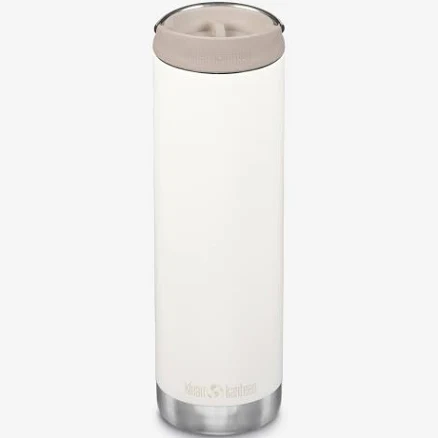
- Stainless steel bottle, stainless steel cap
- The brand calls it PFAS-free, which we have not verified
- Powder-coat cap degradation over time
3 hazards checked on this product, all on its full breakdown.
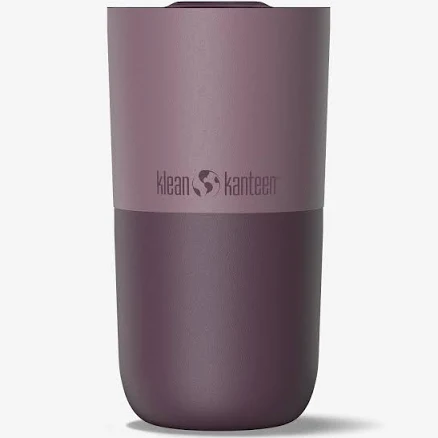
- Stainless steel body, powder-coat finish
- The brand calls it PFAS-free, which we have not verified
- Powder-coat finish degradation
3 hazards checked on this product, all on its full breakdown.
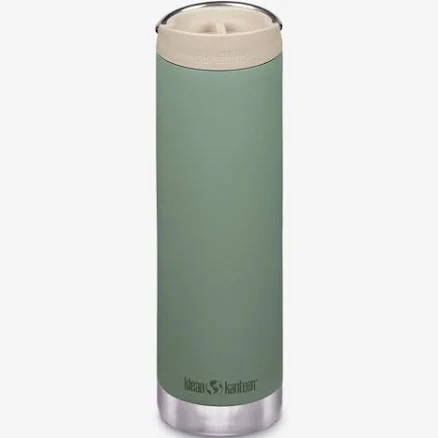
- Stainless steel bottle, plastic cap and silicone gasket
- The brand calls it PFAS-free, which we have not verified
- Silicone gasket degradation and leaching
3 hazards checked on this product, all on its full breakdown.
More insulated drink tumblers grades
How we score, every product runs through the same public 0-100 rubric based on materials, coatings, brand disclosure, lab findings, and recalls. See the full methodology → Spotted a mistake? Report an error.