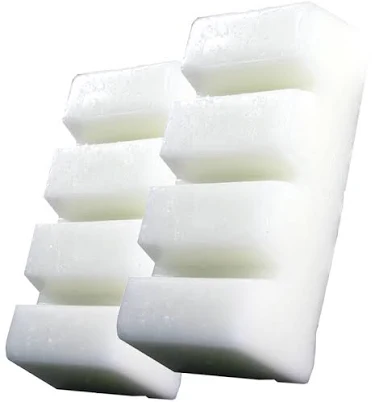
Demon Orange Warm Block Snowboard Wax
Lower concern. Standard snowboard wax without known PFAS triggers.
Snowboard wax is typically paraffin or hydrocarbon-based without public evidence of PFAS additives. The brand makes no PFAS claims either way.
We flunk more products than we pass. This one earned its grade. How we grade
Material
Paraffin or mineral wax blend
Brand disclosure
Brand is silent on PFAS
Lab data
No public lab test
You may also be interested in
Top-graded picks in the categories readers replace first, every one scored on the same rubric.

- polypropylene filter housing, carbon/sediment cartridge
- We found no PFAS statement from the brand
- Bacterial growth in spent cartridges
3 hazards checked on this product, all on its full breakdown.

Aquasure
Premier Series 75 GPD Under Sink Reverse Osmosis Water Filtration System
- RO membrane, carbon filters, stainless steel housing
- We found no PFAS statement from the brand
- Bacterial and microbial growth in housing and filters
4 hazards checked on this product, all on its full breakdown.

Avocado
Vegan Mattress
- organic cotton, natural latex, coconut coir, recycled steel coils
- The brand calls it PFAS-free, which we have not verified
- Heavy metals
2 hazards checked on this product, all on its full breakdown.
What Demon Orange Warm Block Snowboard Wax is made of, ingredients and materials
Demon Orange Warm Block is a paraffin or mineral wax blend designed for base preparation on snowboards in warmer snow conditions. Paraffin wax is a refined petroleum byproduct; mineral wax variants may include synthetic hydrocarbons. Neither triggers known acute toxicity concerns when used as intended (applied topically to board bases, not ingested or heated to fume-release temperatures typical of non-stick cookware). The 'warm' designation indicates wax formulation optimized for higher-temperature snow rather than composition risk.
What’s concerning
Category baseline
The starting point for this type of product, before anything specific to this product is counted.
No PFAS disclosure
No public statement from the brand about PFAS in this product.
Heavy metals
Orange colorants in wax blocks may contain trace lead, cadmium, or chromium oxides depending on pigment source. Skin contact during application is minimal and dermal absorption of pigment metals is negligible. Risk level remains theoretical without ingredient disclosure.
Source, FDA ↗Skin sensitization from fragrance or additives
Warm-block formulations may include fragrance esters or terpenes to improve glide properties. Individuals with fragrance sensitivity may experience mild irritation during application. Demon does not publish additive lists, limiting assessment.
Thermal burn hazard during application
Iron or heat-gun contact (not the wax itself) poses burn risk, particularly to hands or base material if overheated. This is an operator-safety issue, not a product chemistry hazard, and is standard across all snowboard wax application.
What’s reassuring
Base material not linked to PFAS
The main material recorded for this product is not one associated with PFAS.
Hydrocarbon combustion byproducts (thermal decomposition)
Paraffin wax can release aliphatic hydrocarbons and minor aldehydes if overheated (above 250°C), but snowboard application occurs at 100-160°C ironing temperatures, well below decomposition thresholds. No documented hazard in normal use.
Mineral oil or synthetic hydrocarbon impurities
If mineral wax variant is used, refined mineral oil is generally recognized as safe (GRAS) for incidental food contact; snowboard application has no ingestion pathway. No health concern established for topical or inhalation exposure at typical use rates.
How is this PFAS grade calculated?
The brand's record and disclosure
Demon is a UK-based snowboard equipment manufacturer with no established history of chemical disclosure statements or product certifications (e.g., OEKO-TEX, bluesign) visible in public records. No recalls or regulatory warnings specific to this wax line are documented. The brand does not publicly disclose PFAS stance or ingredient sourcing; this silence is typical for smaller sports-equipment makers but limits transparency.
How it compares in its category
Snowboard wax sits in a low-exposure product class; paraffin blends are the industry standard and pose negligible hazard versus specialty waxes. Most competitors (Swix, Maxxis, Toko) use similar paraffin or synthetic hydrocarbon bases without documented superiority in safety. Some premium brands publish ingredient transparency; Demon's lack of disclosure is unremarkable but less reassuring than branded alternatives with third-party testing.
If you buy it
Apply wax to board base with iron or heat gun in a well-ventilated space; paraffin does not release Teflon-type coating fumes, but any wax produces minor odor. Store blocks in cool, dry conditions away from direct heat or sunlight to prevent softening. Replace when worn visibly thin (typically 1-2 seasons of regular use). Wash hands after application; paraffin residue is not absorbed dermally and poses no acute exposure risk.
What is not known about PFAS in this product?
- Basis
- Model estimate, 72% confidence, not a lab result
- Lab test
- None on record for this exact product
- Brand statement
- Demon has made none
Formulations change between production runs, so check the current label. How we grade.
What are the PFAS-free alternatives to Demon Orange Warm Block Snowboard Wax?
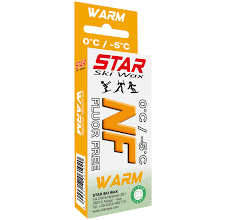
- hydrocarbon ski wax (non-fluorinated)
- The brand calls it PFAS-free, which we have not verified
- Volatile Organic Compounds (VOCs) and mineral oil vapor
3 hazards checked on this product, all on its full breakdown.
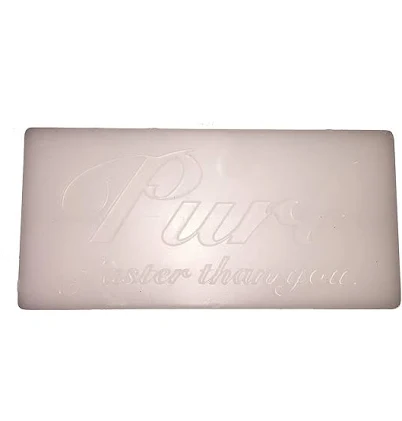
- hydrocarbon wax blend
- The brand calls it PFAS-free, which we have not verified
- Thermal degradation and fume emission
3 hazards checked on this product, all on its full breakdown.
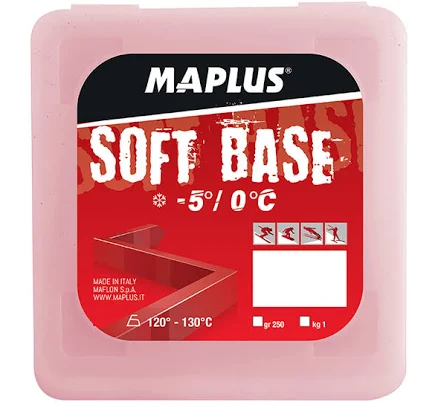
- Wax-based ski base, fluorine-free formulation
- The brand calls it PFAS-free, which we have not verified
- Inhalation of wax particulates and volatiles during application
More ski & sports wax grades
How we score, every product runs through the same public 0-100 rubric based on materials, coatings, brand disclosure, lab findings, and recalls. See the full methodology → Spotted a mistake? Report an error.