Skagerak · Outdoor Furniture Cushion Protectants
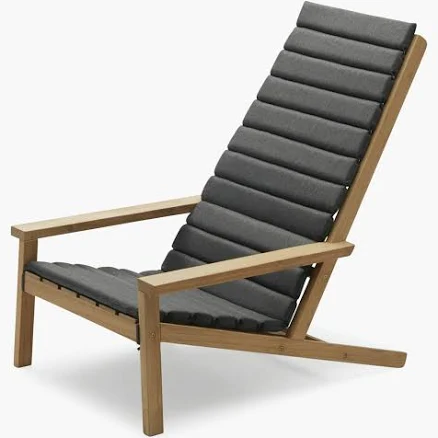
Skagerak Between Lines Deck Chair Cushion
Avoid until brand discloses water treatment chemicals.
This cushion fabric likely has water-resistant treatment, but Design Within Reach provides no chemical disclosure. Unknown coating chemistry creates moderate PFAS risk.
The better-graded swap
Blazing Needles
74 in by 19 in Outdoor Solid Polyester Tufted Chaise Lounge Cushion
85/100 safety
Same rubric that flunked this product. The swap earned Excellent.
Still want this one anyway? Check the price on Amazon. We’d swap it.
Material
Polyester fabric with unspecified water-resistant treatment
Brand disclosure
Brand is silent on PFAS
Lab data
No public lab test
You may also be interested in
Top-graded picks in the categories readers replace first, every one scored on the same rubric.

- polypropylene filter housing, carbon/sediment cartridge
- We found no PFAS statement from the brand
- Bacterial growth in spent cartridges
3 hazards checked on this product, all on its full breakdown.

Aquasure
Premier Series 75 GPD Under Sink Reverse Osmosis Water Filtration System
- RO membrane, carbon filters, stainless steel housing
- We found no PFAS statement from the brand
- Bacterial and microbial growth in housing and filters
4 hazards checked on this product, all on its full breakdown.

Avocado
Vegan Mattress
- organic cotton, natural latex, coconut coir, recycled steel coils
- The brand calls it PFAS-free, which we have not verified
- Heavy metals
2 hazards checked on this product, all on its full breakdown.
What Skagerak Between Lines Deck Chair Cushion is made of, ingredients and materials
This cushion is polyester fabric with an unspecified water-resistant finish applied to the surface. Water-resistant treatments on outdoor textiles commonly rely on fluorochemicals (PFAS) or silicone-based coatings, though the specific chemistry here is not public. Polyester itself is stable under normal use, but the coating's durability and leaching behavior under UV exposure, heat, or abrasion remain unknown without manufacturer disclosure.
What’s concerning
Category baseline
The starting point for this type of product, before anything specific to this product is counted.
No PFAS disclosure
No public statement from the brand about PFAS in this product.
Waterproof / stain-resistant treatment
Water-repellent coating treatments have historically used PFAS.
PFAS
No test data or brand confirmation available. Outdoor polyester textiles commonly treated with fluorochemicals; silence from brand suggests either PFAS or undisclosed alternative. PFAS is graded separately at 30/100; this section flags the coating as an unknown chemical exposure vector.
Source, ATSDR ↗Polyester microfiber shedding from abrasion
Polyester cushions shed fibers under friction (sitting, brushing, washing). Shedding risk is heightened if the water-resistant coating is degraded or brittle. Shed fibers are ingested or inhaled in small amounts and remain in the environment; long-term health impact is not well-studied in real-world cushion use.
Coating degradation and leaching under UV and heat
Water-resistant finishes degrade when exposed to outdoor UV, thermal cycling, and moisture. Degradation may release residual monomers, unreacted coating components, or cross-linkers into the cushion surface. Risk is low during normal contact but increases with direct skin exposure or if cushion is used as a bed topper for extended periods.
What’s reassuring
Azo dyes in polyester fabric colorants
Polyester textiles sometimes contain azo dyes, which can release carcinogenic amines under certain conditions (extreme heat, strong acids, biological reduction). No recalls or warnings for this product are on record. Risk is negligible under normal outdoor cushion use, where temperatures and pH remain mild.
Formaldehyde / VOCs
Some polyester finishing processes use formaldehyde-releasing resins for dimensional stability or water resistance. Design Within Reach does not disclose whether formaldehyde is used in this product. Exposure risk is low for a cushion (no skin contact, outdoor ventilation) but should be confirmed by brand for peace of mind.
Source, ATSDR ↗How is this PFAS grade calculated?
The brand's record and disclosure
Design Within Reach has not publicly disclosed chemical composition or water-treatment specifics for this product. The brand does not appear to have published PFAS avoidance commitments or transparency certifications (such as Bluesign or OEKO-TEX) for textiles. This silence on chemical formulation is the primary barrier to confident purchase; high-end design retailers are increasingly expected to specify finishing chemistry.
How it compares in its category
Outdoor cushions typically carry higher chemical load than indoor upholstery due to water and UV durability demands. Premium brands in this market now routinely disclose water-treatment chemistry or certify products; Design Within Reach's lack of transparency places this product below competitors offering Bluesign, GOTS, or PFOA-free certifications. Standard mass-market outdoor cushions often contain similar undisclosed treatments, so this is not uniquely problematic, but it is a missed opportunity for differentiation.
If you buy it
Request chemical disclosure from Design Within Reach before purchase; if granted, confirm the water treatment is not PFAS-based. Avoid prolonged contact between wet cushion fabric and skin, especially for children. Store indoors during off-season to reduce UV-driven coating degradation. Wash gently in cool water without harsh detergents, as abrasion and heat can compromise water-resistant coatings and increase particle release. Replace cushions every 3-5 years or if fabric shows cracking, fading, or visible deterioration of the coating.
What is not known about PFAS in this product?
- Basis
- Model estimate, 35% confidence, not a lab result
- Lab test
- None on record for this exact product
- Brand statement
- Skagerak has made none
Formulations change between production runs, so check the current label. How we grade.
What are the PFAS-free alternatives to Skagerak Between Lines Deck Chair Cushion?
Blazing Needles
74 in by 19 in Outdoor Solid Polyester Tufted Chaise Lounge Cushion
- Polyester fill with polyester cover
- We found no PFAS statement from the brand
- Azo dyes in polyester textiles
2 hazards checked on this product, all on its full breakdown.
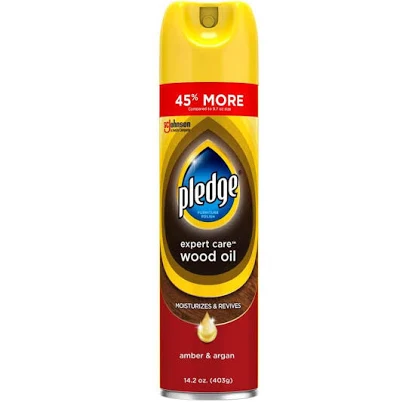
- mineral oil, argan oil blend
- We found no PFAS statement from the brand
- Fragrance allergens and undisclosed components
4 hazards checked on this product, all on its full breakdown.
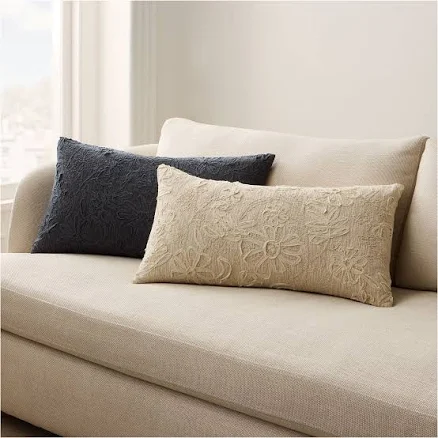
- 100% cotton canvas
- Azo dyes and dye contamination
3 hazards checked on this product, all on its full breakdown.
More outdoor furniture cushion protectants grades
How we score, every product runs through the same public 0-100 rubric based on materials, coatings, brand disclosure, lab findings, and recalls. See the full methodology → Spotted a mistake? Report an error.