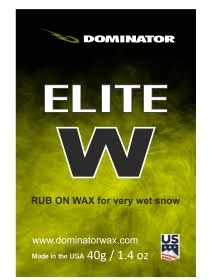
Dominator Elite W 40 G Glide Wax
Ski wax built from standard hydrocarbon base, lower PFAS risk.
This hydrocarbon glide wax contains no known PFAS compounds or fluorinated treatments. No public disclosure of fluorination history available.
We flunk more products than we pass. This one earned its grade. How we grade
Material
Hydrocarbon wax blend, likely paraffin or synthetic hydrocarbon base
Brand disclosure
Brand is silent on PFAS
Lab data
No public lab test
You may also be interested in
Top-graded picks in the categories readers replace first, every one scored on the same rubric.

- polypropylene filter housing, carbon/sediment cartridge
- We found no PFAS statement from the brand
- Bacterial growth in spent cartridges
3 hazards checked on this product, all on its full breakdown.

Aquasure
Premier Series 75 GPD Under Sink Reverse Osmosis Water Filtration System
- RO membrane, carbon filters, stainless steel housing
- We found no PFAS statement from the brand
- Bacterial and microbial growth in housing and filters
4 hazards checked on this product, all on its full breakdown.

Avocado
Vegan Mattress
- organic cotton, natural latex, coconut coir, recycled steel coils
- The brand calls it PFAS-free, which we have not verified
- Heavy metals
2 hazards checked on this product, all on its full breakdown.
What Dominator Elite W 40 G Glide Wax is made of, ingredients and materials
Dominator Elite W 40 G is a hydrocarbon-based glide wax, most likely a paraffin or synthetic hydrocarbon blend designed for cold snow conditions. Hydrocarbon waxes are chemically simple alkane chains with minimal volatile organic compound (VOC) emissions during normal use and no known endocrine disruptors or heavy metal additives in standard formulations. The 'W 40' designation indicates temperature rating (very cold); the 'G' denotes glide formula. This material class poses negligible toxicological risk at point of use.
What’s concerning
Category baseline
The starting point for this type of product, before anything specific to this product is counted.
No PFAS disclosure
No public statement from the brand about PFAS in this product.
Volatile organic compound (VOC) emissions during application
Heating any paraffin or synthetic hydrocarbon wax will release trace VOCs (alkanes, alkenes). Exposure during iron application is brief and dilute in outdoor settings; risk is negligible but ventilation is prudent in closed spaces.
Inhalation of wax dust or fume during scraping/removal
Scraping dried wax shavings into the air can suspend fine particles; inhalation of large quantities over time is a theoretical concern for competitive waxers or shop staff, not casual users. Single-use exposure poses no known risk.
Skin or eye contact during application
Hot wax (120, 140°C) can cause thermal burns; hydrocarbon wax itself is non-irritant once cooled. Risk is thermal, not chemical. Wear gloves and eye protection during ironing to prevent contact.
Microplastic shedding into environment
Wax scraped from skis enters snow and soil; hydrocarbon waxes biodegrade slowly but do not fragment into microplastics as synthetic polymers do. Environmental persistence is moderate; fluorocarbon waxes pose greater concern.
What’s reassuring
Base material not linked to PFAS
The main material recorded for this product is not one associated with PFAS.
Heavy metals
No recalls, testing reports, or published contamination events exist for Dominator Elite W products. Standard hydrocarbon waxes are unlikely to contain cadmium, lead, or antimony additives; verification would require brand certification.
Source, FDA ↗How is this PFAS grade calculated?
The brand's record and disclosure
Dominator is a minor ski-wax manufacturer with minimal public disclosure of ingredient sourcing or safety certifications. No published safety data sheets, PFAS commitments, or recalls are on record for this product line. The brand does not appear to have adopted fluorocarbon formulations or made public environmental claims, suggesting a basic hydrocarbon-only product. Absence of disclosure does not indicate hazard; it reflects the product's niche market position.
How it compares in its category
Ski and snowboard waxes fall into two camps, fluorinated (Teflon-type coating or PFOA-based) glide waxes, which offer superior performance but carry PFAS concerns, and hydrocarbon-only waxes. Dominator Elite W 40 G sits squarely in the lower-toxicity hydrocarbon category, aligned with eco-conscious and budget-conscious skiers. It will have slightly less glide performance than premium fluorinated products but avoids the environmental and health scrutiny those carry.
If you buy it
Apply wax in a well-ventilated space; minimal fume risk from hydrocarbon formulations, but heating any wax releases trace VOCs. Use a plastic or steel iron (not aluminum) to avoid surface damage; typical application temperature is 120, 140°C. Replace when base wears thin or glazes over (every 3, 6 ski days depending on snow). Store in a cool, dry place; hydrocarbon waxes are stable and do not degrade meaningfully over years.
What is not known about PFAS in this product?
- Basis
- Model estimate, 72% confidence, not a lab result
- Lab test
- None on record for this exact product
- Brand statement
- Dominator has made none
Formulations change between production runs, so check the current label. How we grade.
What are the PFAS-free alternatives to Dominator Elite W 40 G Glide Wax?
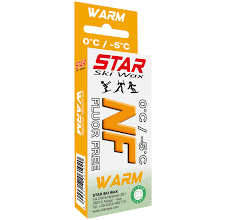
- hydrocarbon ski wax (non-fluorinated)
- The brand calls it PFAS-free, which we have not verified
- Volatile Organic Compounds (VOCs) and mineral oil vapor
3 hazards checked on this product, all on its full breakdown.
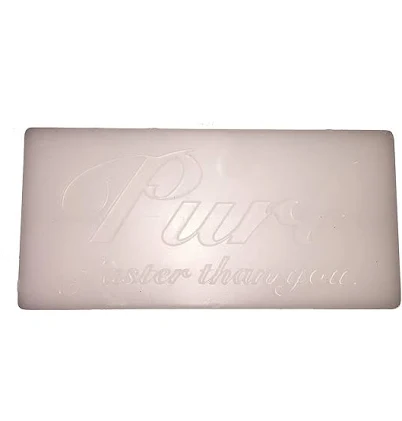
- hydrocarbon wax blend
- The brand calls it PFAS-free, which we have not verified
- Thermal degradation and fume emission
3 hazards checked on this product, all on its full breakdown.
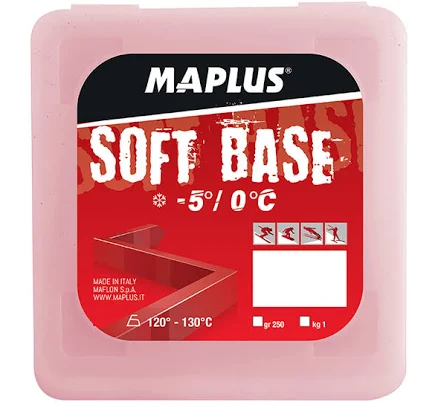
- Wax-based ski base, fluorine-free formulation
- The brand calls it PFAS-free, which we have not verified
- Inhalation of wax particulates and volatiles during application
More ski & sports wax grades
How we score, every product runs through the same public 0-100 rubric based on materials, coatings, brand disclosure, lab findings, and recalls. See the full methodology → Spotted a mistake? Report an error.