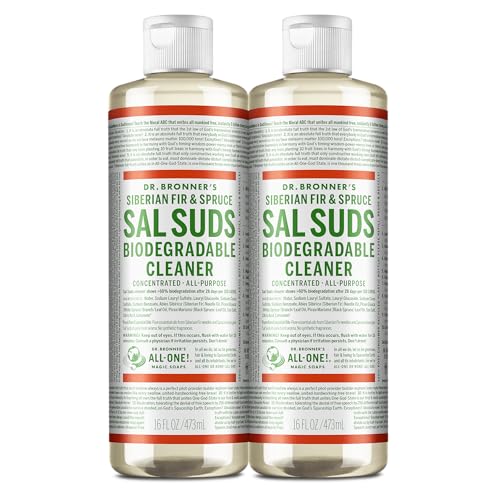
Dr. Bronner's · All-Purpose Cleaner
Dr. Bronner's Sal Suds Biodegradable Cleaner
Skip if PFAS confirmation matters to you; brand silent on it.
Dr. Bronner's Sal Suds is a plant-based liquid cleaner with no known PFAS-containing ingredients. Brand does not address PFAS, so verification is absent.
We flunk more products than we pass. This one earned its grade. How we grade
Material
Plant-based surfactants, water, essential oils
Brand disclosure
Brand is silent on PFAS
Lab data
No public lab test
You may also be interested in
Top-graded picks in the categories readers replace first, every one scored on the same rubric.

- polypropylene filter housing, carbon/sediment cartridge
- We found no PFAS statement from the brand
- Bacterial growth in spent cartridges
3 hazards checked on this product, all on its full breakdown.

Aquasure
Premier Series 75 GPD Under Sink Reverse Osmosis Water Filtration System
- RO membrane, carbon filters, stainless steel housing
- We found no PFAS statement from the brand
- Bacterial and microbial growth in housing and filters
4 hazards checked on this product, all on its full breakdown.

Avocado
Vegan Mattress
- organic cotton, natural latex, coconut coir, recycled steel coils
- The brand calls it PFAS-free, which we have not verified
- Heavy metals
2 hazards checked on this product, all on its full breakdown.
What Dr. Bronner's Sal Suds Cleaner is made of, ingredients and materials
Sal Suds is formulated around plant-derived surfactants (saponified coconut and other plant oils), water, and essential oils for fragrance and antimicrobial function. This chemistry avoids synthetic detergents and petroleum-based surfactants common in conventional cleaners. Plant-based surfactants are readily biodegradable and do not accumulate in aquatic environments, making them lower concern for aquatic toxicity than many conventional alternatives.
What’s concerning
Category baseline
The starting point for this type of product, before anything specific to this product is counted.
No PFAS disclosure
No public statement from the brand about PFAS in this product.
Fragrance allergens (essential oils)
Product contains essential oils (citrus, lavender, etc.) listed as fragrance; these compounds can trigger contact dermatitis or respiratory sensitivity in individuals with fragrance sensitivities, though no specific adverse reactions are on record for this product.
Skin irritation from surfactants
Plant-based surfactants can cause mild skin irritation with prolonged contact or in sensitive individuals; label recommends dilution and glove use for extended cleaning tasks, indicating manufacturer awareness of this risk.
Eye irritation if ingested or splashed
Like all surfactant cleaners, concentrated Sal Suds is irritating to eyes and mucous membranes; product is not intended for ingestion and should be stored away from children, though no poisoning incidents are on record for this specific brand.
What’s reassuring
Base material not linked to PFAS
The main material recorded for this product is not one associated with PFAS.
Essential oil phototoxicity
Some citrus essential oils contain compounds that can cause phototoxic reactions when applied to skin and exposed to strong UV; no established incidents reported for Sal Suds used as directed, but direct skin contact followed by sun exposure is not a recommended use case.
Residue buildup on treated surfaces over time
Plant-based surfactants can leave film deposits on some surfaces with repeated use, particularly glass; this is not a health hazard but a performance concern requiring occasional vinegar rinse or clarification.
How is this PFAS grade calculated?
The brand's record and disclosure
Dr. Bronner's publishes ingredient lists openly and markets all products as biodegradable and plant-based; the brand has no established safety recalls or regulatory warnings for Sal Suds. However, the brand has not publicly disclosed testing for PFAS or made explicit statements ruling it out, leaving certification status unclear despite the high PFAS safety grade. The company is known for transparency on soap formulas but remains silent on newer contaminant concerns.
How it compares in its category
Sal Suds sits in the plant-based cleaner segment, positioned as an alternative to synthetic detergents like sodium lauryl sulfate (SLS) and petroleum distillates found in conventional multi-purpose cleaners. Most commercial cleaners do not disclose PFAS testing; this product's high PFAS grade indicates lower concern than typical grocery store brands. It is less concentrated than some enzyme-based cleaners, so usage volume may be higher per application.
If you buy it
Use as directed on the label; the plant-based formula is compatible with most surfaces but test on delicate finishes first. Store in a cool, dark place to preserve essential oil potency and prevent separation over time. Dilute with water for many tasks to reduce usage volume and cost. Check the label date; essential oil content can degrade over 1-2 years, reducing cleaning and antimicrobial efficacy.
What is not known about PFAS in this product?
- Basis
- Model estimate, 88% confidence, not a lab result
- Lab test
- None on record for this exact product
- Brand statement
- Dr. Bronner's has made none
Formulations change between production runs, so check the current label. How we grade.
What are the PFAS-free alternatives to Dr. Bronner's Sal Suds Biodegradable Cleaner?
- Hypochlorous acid electrochemical solution
- A third party reports verifying it as PFAS-free
- Oxidizer / skin and eye irritation
3 hazards checked on this product, all on its full breakdown.
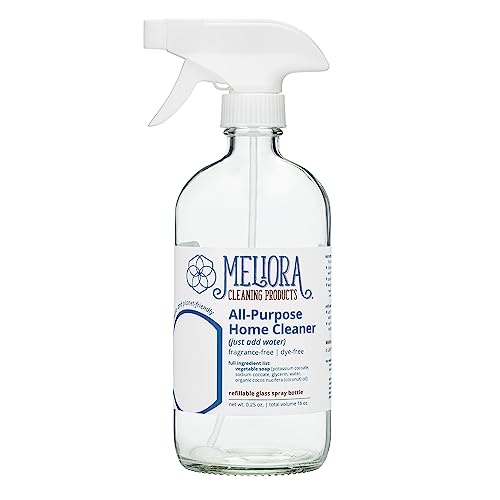
- Plant-derived surfactants, water, essential oils
- A third party reports verifying it as PFAS-free
- Essential oil inhalation and sensitization
3 hazards checked on this product, all on its full breakdown.
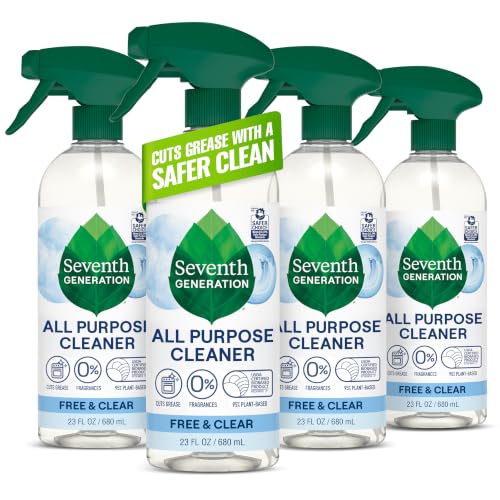
- water, plant-derived surfactants, mineral salts
- A third party reports verifying it as PFAS-free
- Skin irritation from surfactants
2 hazards checked on this product, all on its full breakdown.
More all-purpose cleaner grades
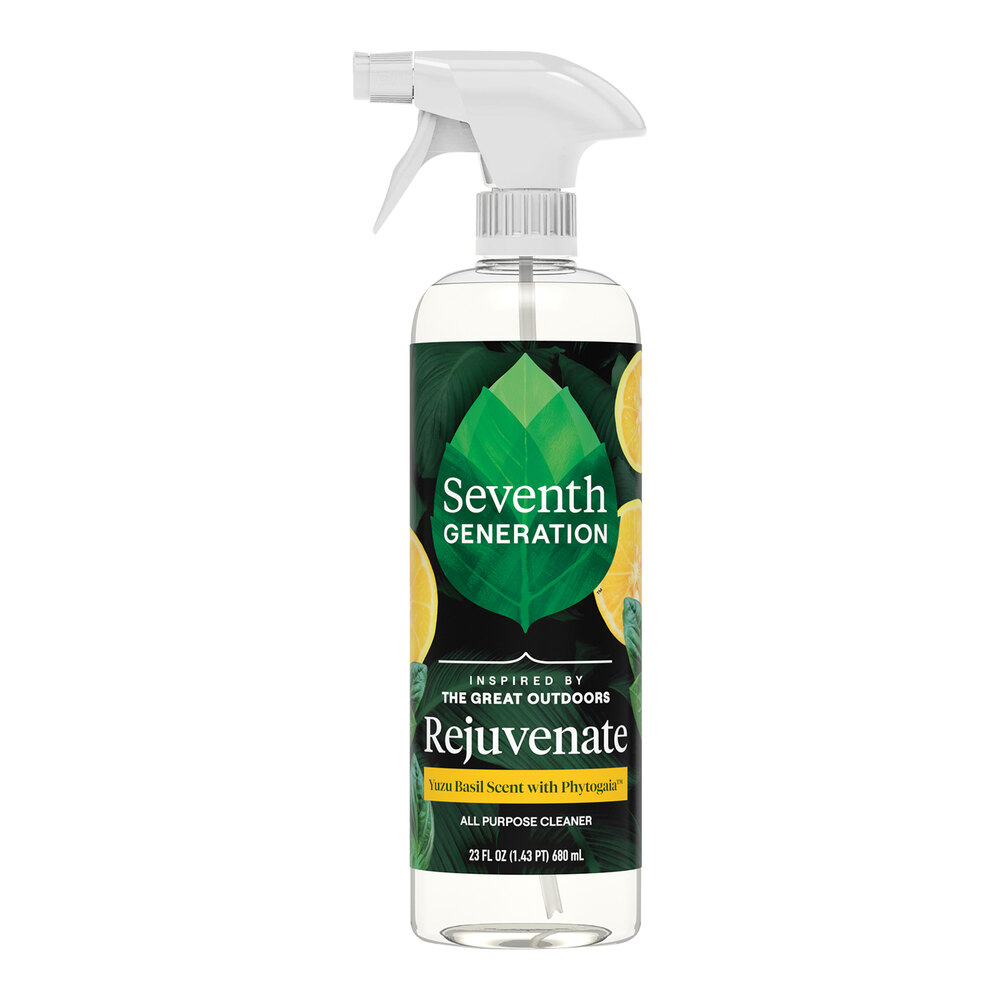 100Seventh Generation All Purpose Cleaner - Yuzu Basil with Phytogaia™
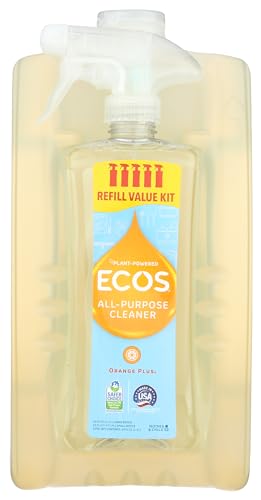 100ECOS All-Purpose Cleaner - Orange
 100Seventh Generation All Purpose Cleaner - Lemon Zest
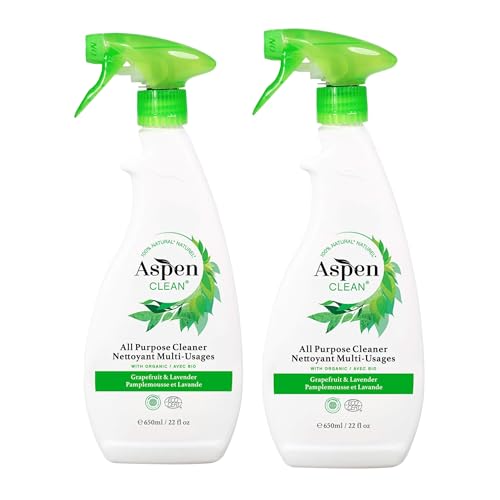 100AspenClean Natural All Purpose Cleaner
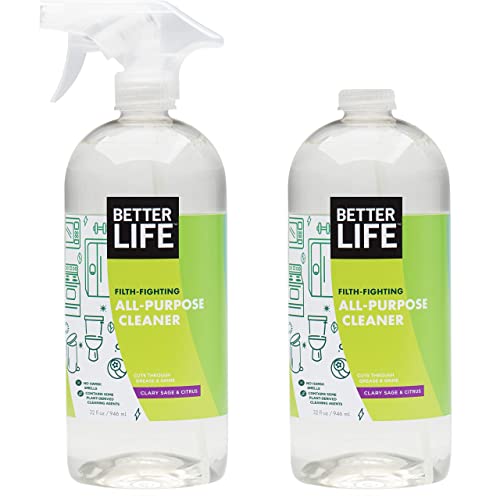 100Better Life All Purpose Cleaner
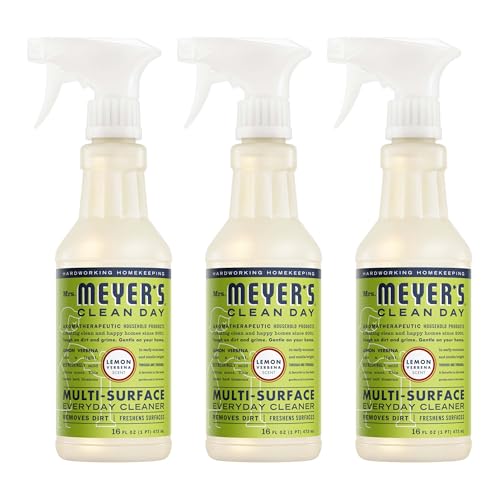 85Mrs. Meyer's Clean Day Peppermint All-Purpose Cleaner Spray
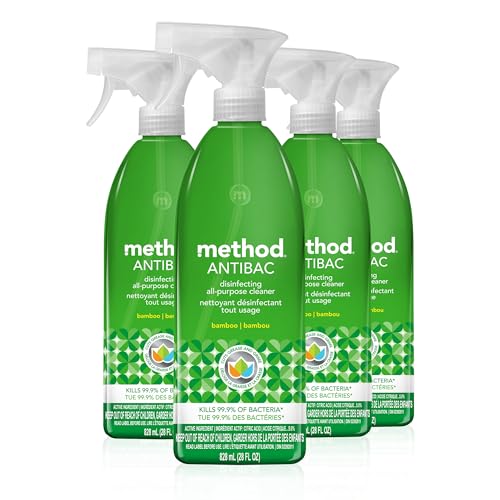 85Method All-Purpose Cleaner Spray, Bamboo
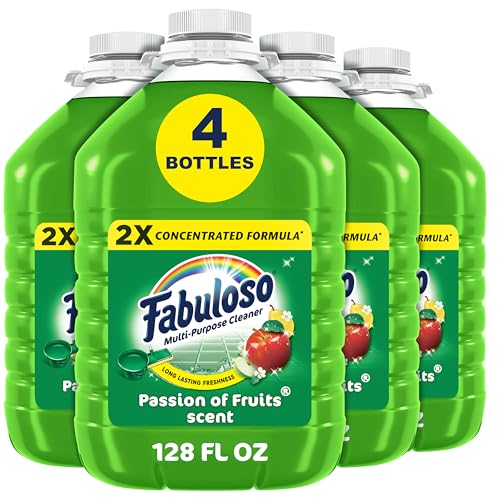 85Fabuloso 2X Multi-Purpose Cleaner with Baking Soda, Citrus and Fruits Scent
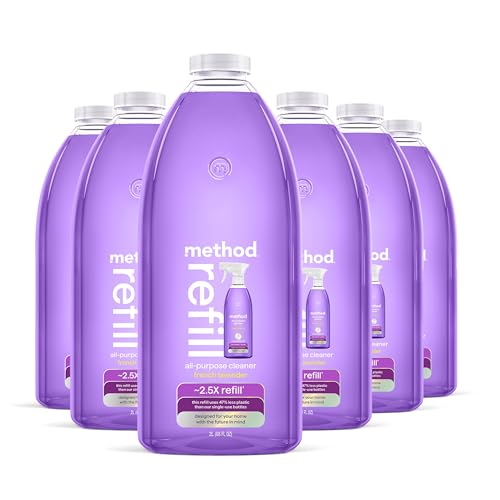 85Method All-Purpose Cleaner Refill, French Lavender
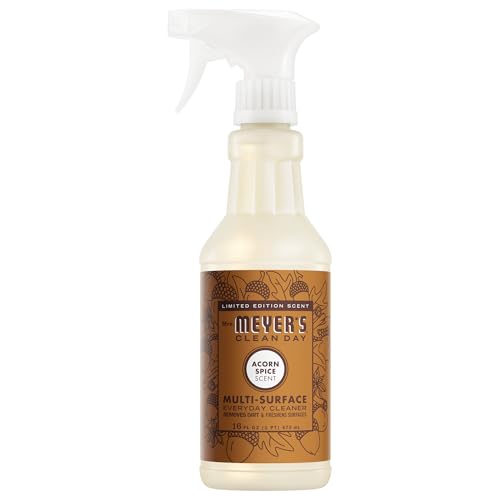 85Mrs. Meyer's Clean Day Acorn Spice Limited Edition Liquid All-Purpose CleanerCompare vs Force of Nature →All all-purpose cleaner →
How we score, every product runs through the same public 0-100 rubric based on materials, coatings, brand disclosure, lab findings, and recalls. See the full methodology → Spotted a mistake? Report an error.