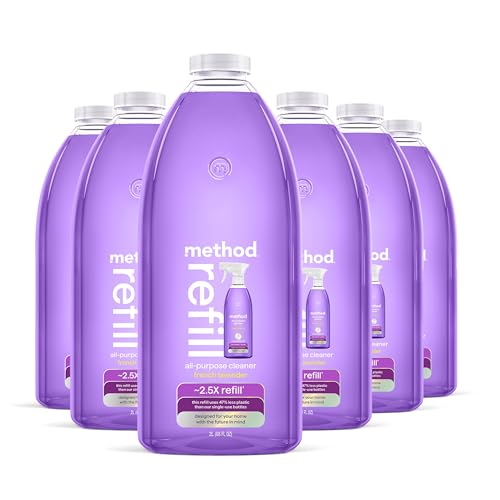
Method All-Purpose Cleaner Refill, French Lavender
Skip due to no PFAS disclosure; safer alternatives exist.
Liquid all-purpose cleaner with plant-derived ingredients, lower concern formulation. Method does not publicly disclose PFAS status; no third-party verification available.
We flunk more products than we pass. This one earned its grade. How we grade
Material
water, plant-derived surfactants, fragrance
Lab data
No public lab test
You may also be interested in
Top-graded picks in the categories readers replace first, every one scored on the same rubric.

- polypropylene filter housing, carbon/sediment cartridge
- We found no PFAS statement from the brand
- Bacterial growth in spent cartridges
3 hazards checked on this product, all on its full breakdown.

Aquasure
Premier Series 75 GPD Under Sink Reverse Osmosis Water Filtration System
- RO membrane, carbon filters, stainless steel housing
- We found no PFAS statement from the brand
- Bacterial and microbial growth in housing and filters
4 hazards checked on this product, all on its full breakdown.

Avocado
Vegan Mattress
- organic cotton, natural latex, coconut coir, recycled steel coils
- The brand calls it PFAS-free, which we have not verified
- Heavy metals
2 hazards checked on this product, all on its full breakdown.
What Method All-Purpose Cleaner French Lavender is made of, ingredients and materials
Method All-Purpose Cleaner uses water as its base with plant-derived surfactants (typically coconut or corn) rather than petroleum-based detergents, reducing synthetic chemical load. The formula includes fragrance (French Lavender) and preservatives, which are the primary exposure points. Plant surfactants degrade more readily in aquatic systems and are generally lower-toxicity than legacy alkylbenzene sulfonates, though efficacy varies by soil type and water hardness.
What’s concerning
Category baseline
The starting point for this type of product, before anything specific to this product is counted.
No PFAS disclosure
No public statement from the brand about PFAS in this product.
Fragrance allergens and sensitizers
Fragrance blends in cleaners, including lavender essential oil derivatives, are documented triggers for contact dermatitis and respiratory sensitization in susceptible individuals. Method does not break out fragrance components on the label, limiting identification of specific allergens.
Preservative residues and skin contact
All-purpose cleaners require preservatives to prevent mold and bacterial growth in dilute water-based formulas; common types include methylisothiazolinone (MIT), which is a known dermal and respiratory sensitizer. Method's specific preservative is not disclosed on publicly available product information.
Eye and mucous membrane irritation from surfactants
Plant-derived surfactants still carry surfactant-class irritancy; accidental splash or inhalation of spray residue can cause temporary eye redness or throat irritation, particularly in children or with prolonged exposure in poorly ventilated rooms.
Aquatic toxicity from degradation byproducts
While plant surfactants are more biodegradable than synthetic alternatives, their breakdown products and residual fragrance compounds can persist in water systems; this is not a direct consumer hazard but an environmental fate concern.
PFAS
Brand does not publicly disclose PFAS testing or commit to PFAS avoidance. Fluorinated surfactants and water-repellent additives have been found in some all-purpose cleaners; without affirmative disclosure, presence cannot be ruled out.
Source, ATSDR ↗What’s reassuring
Base material not linked to PFAS
The main material recorded for this product is not one associated with PFAS.
How is this PFAS grade calculated?
The brand's record and disclosure
Method publishes ingredient lists and positions itself as a cleaner alternative brand, but does not publicly disclose PFAS testing or commitment to PFAS-free status, despite known industry use of fluorinated surfactants in some cleaner formulations. The brand holds no recognized third-party certifications (EPA Safer Choice, Green Seal) for this product. No safety recalls or substantiated allergen warnings are on public record for this specific product.
How it compares in its category
Plant-surfactant all-purpose cleaners are mid-tier in transparency; Method is better-disclosed than most mass-market brands but lags certified eco-label cleaners (Ecos, Seventh Generation with Green Seal). Comparable refill-format cleaners often carry identical fragrance and preservative risks. The refill model reduces packaging waste versus single-use bottles, a material advantage over many peers.
If you buy it
Use undiluted or as directed on label; do not heat or microwave. Store in original container away from children and pets; keep lid sealed to prevent evaporation and preservative failure. Use in well-ventilated spaces, especially if you have fragrance sensitivity or respiratory conditions. For those with eczema or contact dermatitis, test on a small surface first; fragrance and preservatives are common irritants.
What is not known about PFAS in this product?
- Basis
- Model estimate, 82% confidence, not a lab result
- Lab test
- None on record for this exact product
- Brand statement
- Method has made a specific claim
Formulations change between production runs, so check the current label. How we grade.
What are the PFAS-free alternatives to Method All-Purpose Cleaner Refill, French Lavender?

- Hypochlorous acid electrochemical solution
- A third party reports verifying it as PFAS-free
- Oxidizer / skin and eye irritation
3 hazards checked on this product, all on its full breakdown.
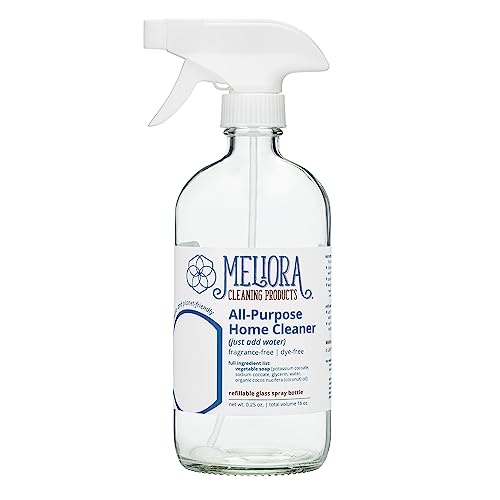
- Plant-derived surfactants, water, essential oils
- A third party reports verifying it as PFAS-free
- Essential oil inhalation and sensitization
3 hazards checked on this product, all on its full breakdown.
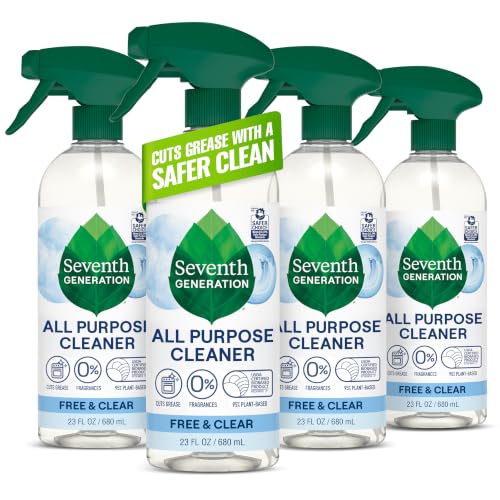
- water, plant-derived surfactants, mineral salts
- A third party reports verifying it as PFAS-free
- Skin irritation from surfactants
2 hazards checked on this product, all on its full breakdown.
More all-purpose cleaner grades
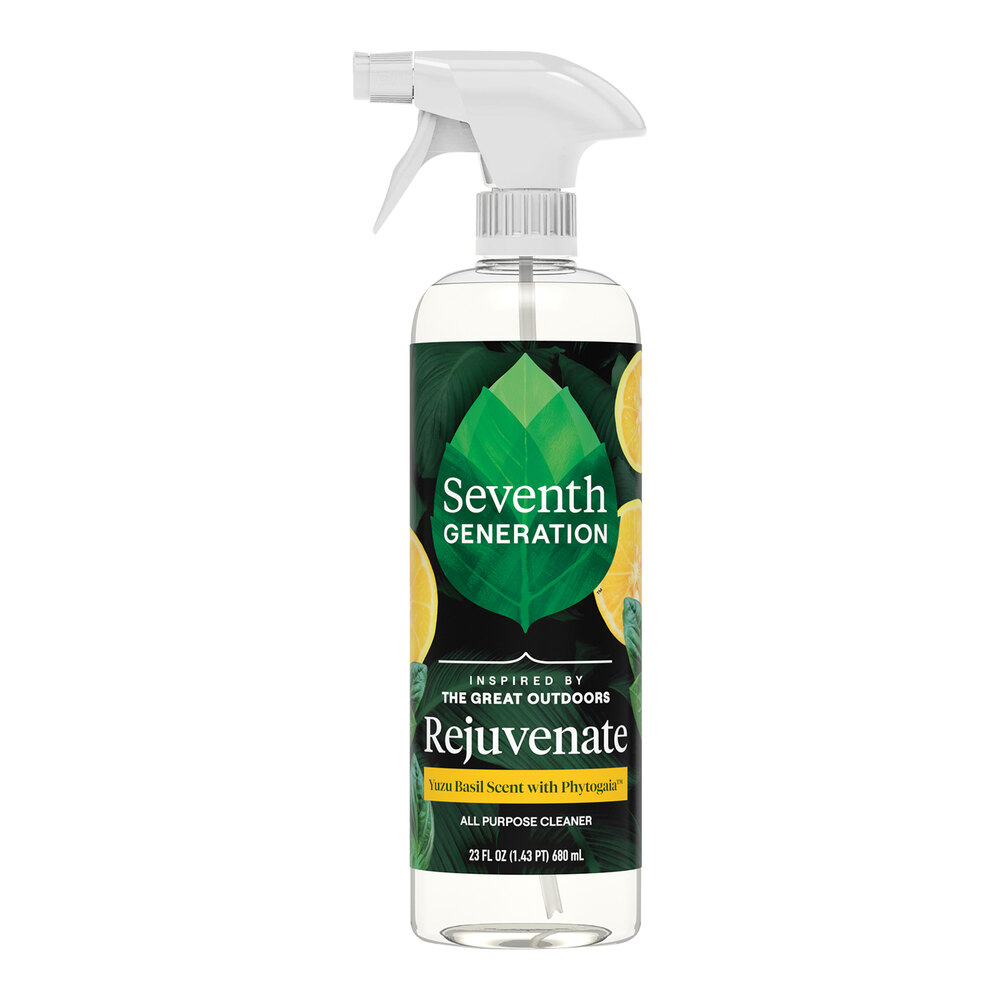 100Seventh Generation All Purpose Cleaner - Yuzu Basil with Phytogaia™
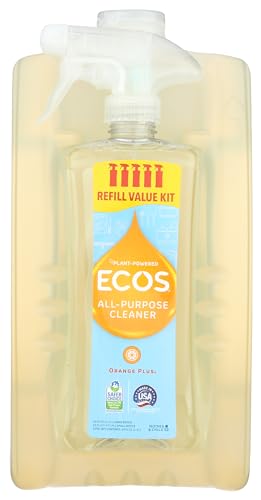 100ECOS All-Purpose Cleaner - Orange
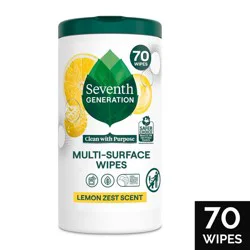 100Seventh Generation All Purpose Cleaner - Lemon Zest
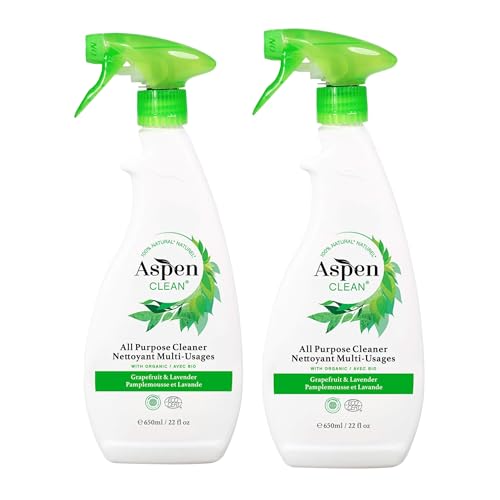 100AspenClean Natural All Purpose Cleaner
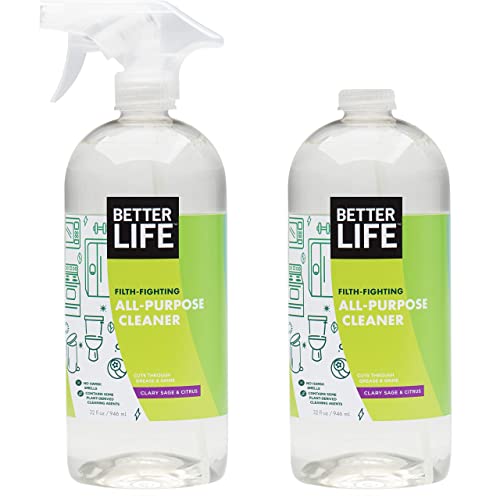 100Better Life All Purpose Cleaner
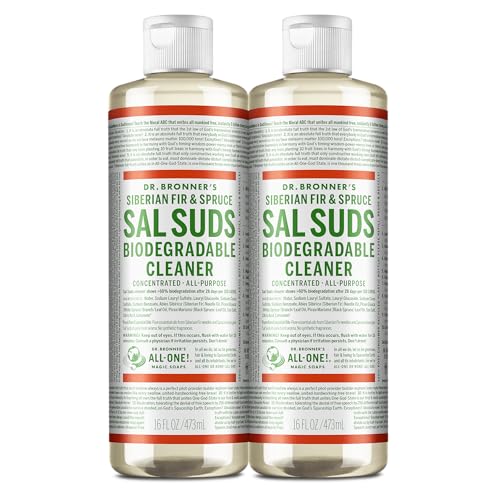 85Dr. Bronner's Sal Suds Biodegradable Cleaner
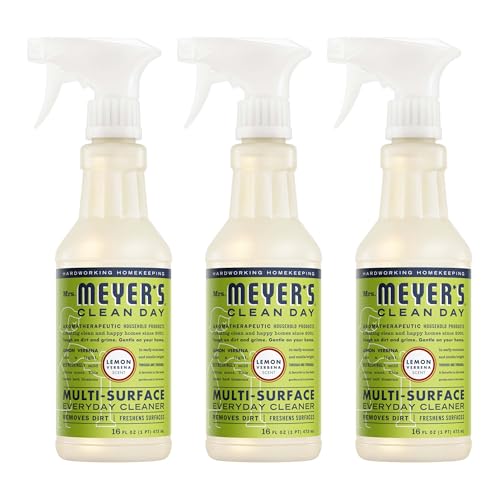 85Mrs. Meyer's Clean Day Peppermint All-Purpose Cleaner Spray
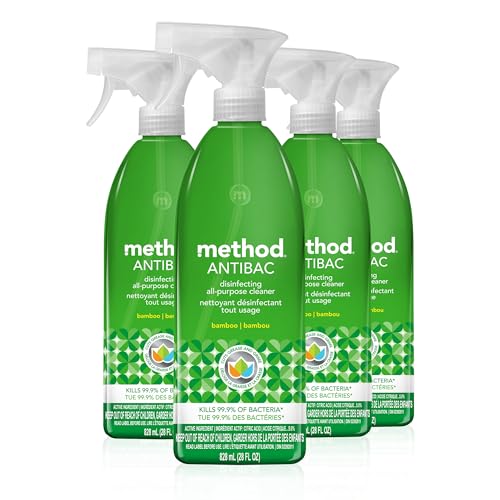 85Method All-Purpose Cleaner Spray, Bamboo
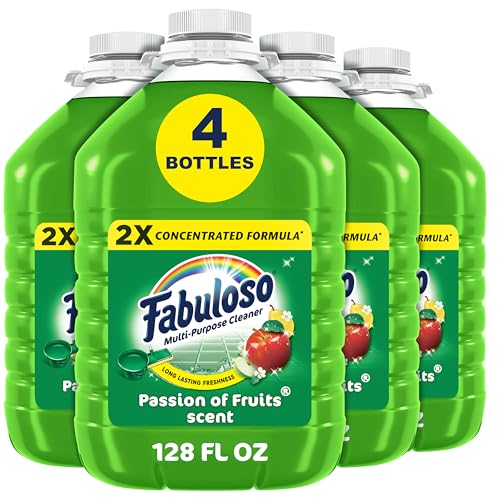 85Fabuloso 2X Multi-Purpose Cleaner with Baking Soda, Citrus and Fruits Scent
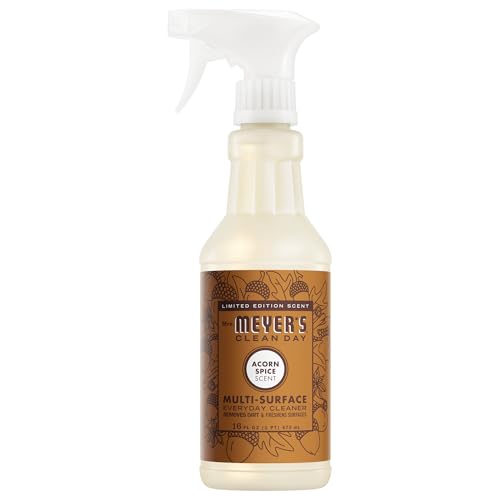 85Mrs. Meyer's Clean Day Acorn Spice Limited Edition Liquid All-Purpose CleanerCompare vs Force of Nature →All all-purpose cleaner →
How we score, every product runs through the same public 0-100 rubric based on materials, coatings, brand disclosure, lab findings, and recalls. See the full methodology → Spotted a mistake? Report an error.