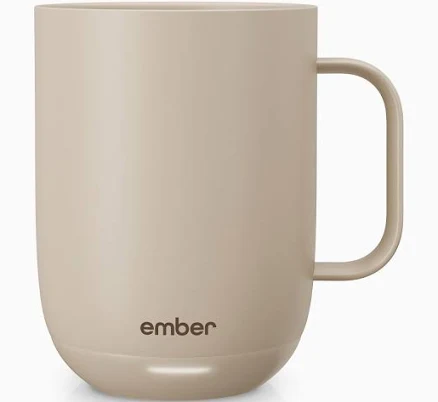
Ember · Insulated Drink Tumblers
Ember Mug 2
Unknown interior coating; Ember provides no PFAS disclosure.
Ember Mug 2 uses stainless steel and electronics but won't disclose its proprietary interior coating. No public lab testing or PFAS claims exist.
The better-graded swap
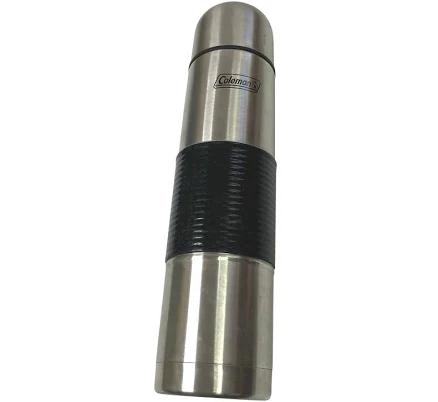
Coleman
Coleman Stainless Steel Vacuum Bottle
80/100 safety
Same rubric that flunked this product. The swap earned Excellent.
Still want this one anyway? Check the price on Amazon. We’d swap it.
Material
Stainless steel body, electronic heating element, proprietary interior coating
Brand disclosure
Brand is silent on PFAS
Lab data
No public lab test
What Ember Mug 2 is made of, ingredients and materials
The Ember Mug 2 uses food-grade stainless steel for its outer body and base, which does not leach metals under normal use. The critical unknown is the proprietary interior coating that contacts hot liquid repeatedly. Ember has not publicly disclosed the coating's chemical composition, making independent safety assessment impossible. Stainless steel itself is inert, but the coating's durability and contents determine actual safety.
What’s concerning
No PFAS disclosure
No public statement from the brand about PFAS in this product.
Category baseline
The starting point for this type of product, before anything specific to this product is counted.
Unknown / proprietary coating
A coating is recorded with no disclosed chemistry.
Proprietary interior coating leaching (unknown chemistry)
Ember's non-disclosure of coating material, composition, or safety testing means potential migration of coating components (polymers, additives, or cross-linkers) into hot beverages cannot be ruled out. Stainless steel itself is stable, but the coating is the direct contact point with liquid.
Coating degradation over time
User reports on product review sites (Amazon, Reddit) describe visible coating wear, flaking, or color fading after 1-3 years of regular use, though no formal recall has been issued. If coating degrades, both stainless steel exposure and loose coating particles become concerns.
Electronic heating element failure or water intrusion
The mug contains a lithium battery and heating circuit in the base; no public failure data exists, but water ingress from repeated hand washing or spill contact could cause short-circuit or electrolyte leakage. Warranty information does not clearly address accidental water damage scenarios.
Thermal injury from malfunctioning heating control
While the app-based temperature limit is a safety feature, firmware bugs or sensor failure could theoretically result in unexpected overheating. This is a mechanical/software risk rather than a chemical hazard but worth monitoring.
What’s reassuring
Heavy metals
No testing or complaints of cadmium, lead, or chromium in the mug's interior finish are documented. However, absence of evidence is not certainty; Ember's lack of disclosure means heavy metal testing results are simply unavailable to consumers.
Source, FDA ↗The full breakdown
The brand's record and disclosure
Ember has not published safety testing summaries, material certifications, or PFAS statements for the Mug 2 despite the product's sustained market presence since 2019. The company does not list third-party testing (NSF, FDA clearance, or similar) on its website. No product recalls related to coating failure, leaching, or heating element malfunction are publicly documented. Silence on coating composition is the primary transparency gap.
How it compares in its category
Smart mugs are a niche category with few competitors; most alternatives (Ember's first-gen mug, basic insulated drinkware) either avoid electronic heating or use simpler coatings. Standard insulated mugs typically use silicone gaskets and stainless interiors without electronic components, reducing chemical complexity. The Mug 2's embedded heating element and app control create a more complex product with more potential failure points and material interfaces. Comparable heated products (electric kettles, travel mugs with battery) more often disclose materials.
If you buy it
Do not expose to temperatures above the stated maximum (around 170°F / 77°C internal setting) to avoid coating stress. Hand wash only; dishwasher use could degrade the coating seal over time. Inspect the interior regularly for visible peeling, discoloration, or damage before each use. If the coating shows wear or the liquid acquires an off taste or odor, discontinue use and contact the company. Keep the mug away from abrasive scrubbing and acidic liquids (lemon water, vinegar) that may accelerate coating breakdown.
What we don’t know
- Basis
- Model estimate, 35% confidence, not a lab result
- Lab test
- None on record for this exact product
- Brand statement
- Ember has made none
Formulations change between production runs, so check the current label. How we grade.
Better-graded alternatives in Insulated Drink Tumblers
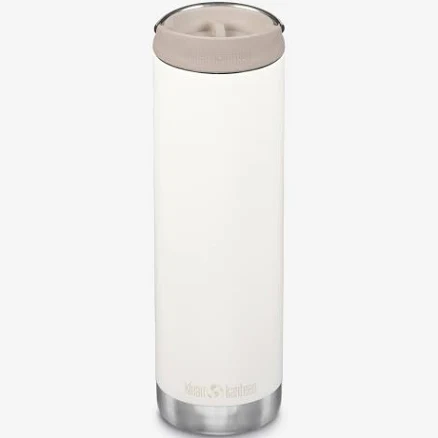
Klean Kanteen
20oz TKWide with Café Cap, Tofu
- Stainless steel bottle, stainless steel cap
- The brand calls it PFAS-free, which we have not verified
- Powder-coat cap degradation over time
3 hazards checked on this product. See all of them.
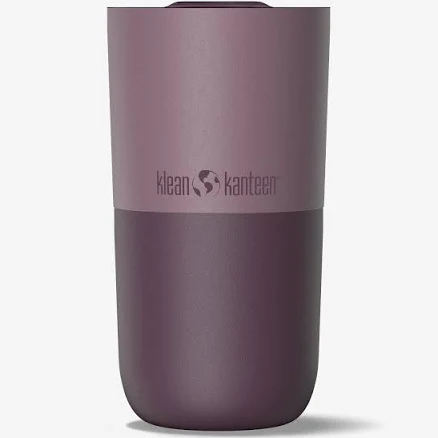
Klean Kanteen
16oz Rise Tumbler
- Stainless steel body, powder-coat finish
- The brand calls it PFAS-free, which we have not verified
- Powder-coat finish degradation
3 hazards checked on this product. See all of them.
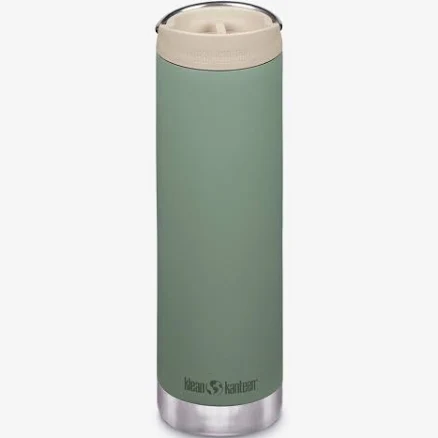
Klean Kanteen
Insulated TKWide Cap
- Stainless steel bottle, plastic cap and silicone gasket
- The brand calls it PFAS-free, which we have not verified
- Silicone gasket degradation and leaching
3 hazards checked on this product. See all of them.
More insulated drink tumblers grades
How we score, every product runs through the same public 0-100 rubric based on materials, coatings, brand disclosure, lab findings, and recalls. See the full methodology → Spotted a mistake? Report an error.