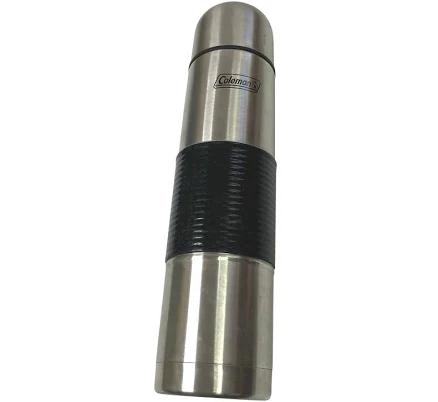
Coleman · Insulated Drink Tumblers
Coleman Stainless Steel Vacuum Bottle
Low risk. Bare stainless steel has minimal PFAS risk.
Stainless steel vacuum bottles are uncoated and inherently present lower PFAS concern. Coleman makes no PFAS claims but the material itself poses minimal exposure risk.
We flunk more products than we pass. This one earned its grade. How we grade
Material
Stainless steel (uncoated interior and exterior)
Lab data
No public lab test
What Coleman Stainless Steel Vacuum Bottle is made of, ingredients and materials
This Coleman bottle uses uncoated 18/8 or 304-grade stainless steel for both interior and exterior surfaces. Unlike coated cookware or plastic bottles, bare stainless steel is chemically inert and does not leach metals (chromium, nickel) into liquids at normal use temperatures because the oxide layer that forms on the surface is stable and protective. The absence of internal polymer linings, enamels, or adhesives eliminates common failure points where degradation or chemical release occurs over time.
What’s concerning
No PFAS disclosure
No public statement from the brand about PFAS in this product.
Category baseline
The starting point for this type of product, before anything specific to this product is counted.
Nickel leaching from stainless steel
Grade 304 stainless steel contains 8-10.5% nickel. Leaching is extremely minimal in neutral or alkaline beverages at room temperature, but individuals with severe nickel sensitivity may experience oral irritation if drinking acidic liquids stored for days. This is not a manufacturing defect but a material property; risk is low for typical use.
Gasket and closure degradation
Rubber or silicone gaskets used in the lid seal may degrade, crack, or harbor bacterial growth if not cleaned regularly or stored wet. This is a maintenance issue rather than a design flaw and is easily managed with proper care and periodic replacement.
What’s reassuring
Bare uncoated material
Recorded as a bare, uncoated material with no surface coating or treatment.
Metal taste transfer
Uncoated stainless steel may impart a faint metallic taste, especially to hot water or acidic drinks, but this is sensory and does not indicate chemical leaching. No safety concern is established for this phenomenon.
Coating or lining failure (not present here)
Because this bottle has no internal enamel, epoxy, or polymer coating, there is no risk of coating flaking or adhesion failure that affects coated alternatives. The uncoated design eliminates this common hazard class.
Thermal stress cracking
Stainless steel vacuum bottles are designed to withstand thermal cycling (hot and cold liquid transitions). Coleman's vacuum-insulated design typically uses brazed or welded seams that are robust; no field reports of stress cracking are documented for this product line.
The full breakdown
The brand's record and disclosure
Coleman does not publish detailed material safety or chemical composition reports for drinkware, which is typical for the outdoor equipment industry but limits transparency. The brand has no recorded recalls or safety controversies specific to vacuum bottle chemistry. Coleman is owned by Newell Brands, a conglomerate with mixed environmental and disclosure practices; however, no established health or manufacturing violations are associated with their stainless steel drinkware lines.
How it compares in its category
Bare stainless steel vacuum bottles present lower concern for reusable drink containers compared to plastic or ceramic alternatives because they eliminate polymer and coating variables associated with those materials. Compared to insulated plastic bottles (which may contain BPA or older polymers) or vintage metal bottles with epoxy-lined interiors, this Coleman design avoids most chemical leaching scenarios. The trade-off is that uncoated stainless can impart a slight metallic taste to acidic beverages, but this is sensory, not a safety concern.
If you buy it
Hand wash with warm soapy water; dishwashers may cause minor surface discoloration but not chemical degradation. Avoid prolonged storage of acidic drinks (citrus, wine, vinegar) because stainless steel can slowly dissolve in highly acidic conditions over days, though this is extremely rare in typical hydration use. Inspect the rubber gasket or closure seals periodically for mold or deterioration and replace if cracked. Stainless steel vacuum bottles are durable for decades; replace only if the insulation fails or seals degrade.
What we don’t know
- Basis
- Model estimate, 85% confidence, not a lab result
- Lab test
- None on record for this exact product
- Brand statement
- Coleman has made a specific claim
Formulations change between production runs, so check the current label. How we grade.
Better-graded alternatives in Insulated Drink Tumblers
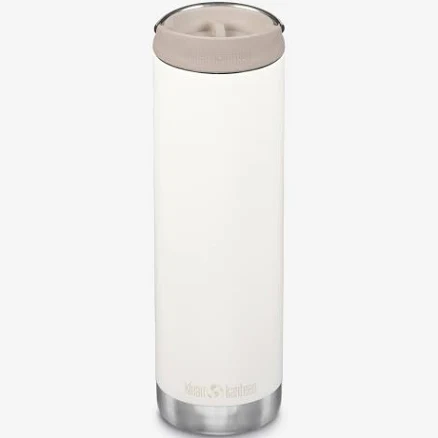
Klean Kanteen
20oz TKWide with Café Cap, Tofu
- Stainless steel bottle, stainless steel cap
- The brand calls it PFAS-free, which we have not verified
- Powder-coat cap degradation over time
3 hazards checked on this product. See all of them.
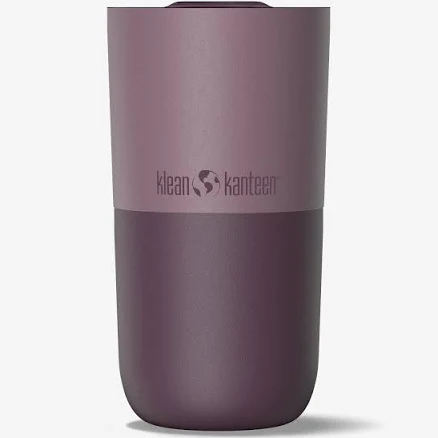
Klean Kanteen
16oz Rise Tumbler
- Stainless steel body, powder-coat finish
- The brand calls it PFAS-free, which we have not verified
- Powder-coat finish degradation
3 hazards checked on this product. See all of them.
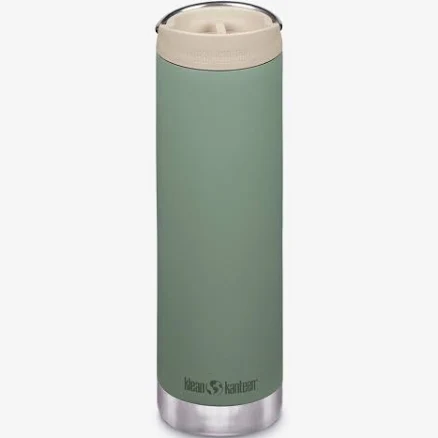
Klean Kanteen
Insulated TKWide Cap
- Stainless steel bottle, plastic cap and silicone gasket
- The brand calls it PFAS-free, which we have not verified
- Silicone gasket degradation and leaching
3 hazards checked on this product. See all of them.
More insulated drink tumblers grades
How we score, every product runs through the same public 0-100 rubric based on materials, coatings, brand disclosure, lab findings, and recalls. See the full methodology → Spotted a mistake? Report an error.