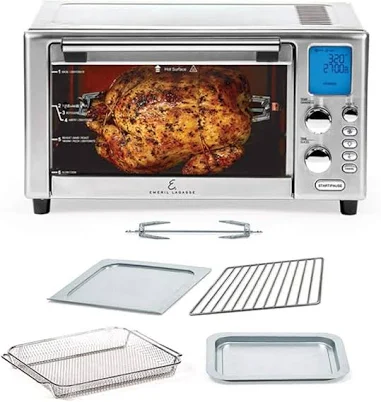
Emeril Lagasse Power Air Fryer 360
Air fryer uses nonstick coating; brand does not disclose PFAS status.
Emeril air fryers have nonstick-coated cooking surfaces, but the manufacturer does not publicly disclose whether PFOA, Teflon-type coating, or other PFAS are present. Coating type remains unspecified.
The better-graded swap
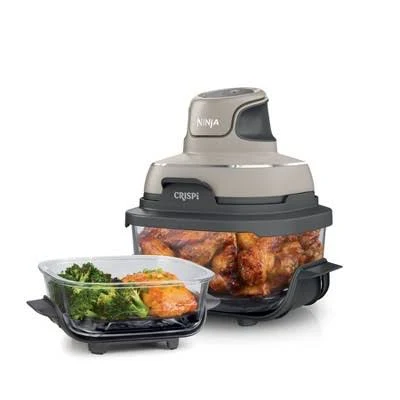
Ninja
Ninja Crispi 4-in-1 Portable Glass Air Fryer Cooking System
75/100 safety
Same rubric that flunked this product. The swap earned Excellent.
Still want this one anyway? Check the price on Amazon. We’d swap it.
Material
nonstick coating, unspecified polymer
Brand disclosure
Brand is silent on PFAS
Lab data
No public lab test
What Emeril Lagasse Power Air Fryer 360 is made of, ingredients and materials
The Emeril Lagasse Power Air Fryer 360 uses a proprietary nonstick polymer coating on its cooking basket and interior surfaces. The manufacturer does not publicly specify whether this is Teflon-type coating (Teflon), ceramic, or an alternative polymer. Nonstick coatings matter because they can degrade under high heat, release fumes, or leach compounds into food if scratched or overheated. Without transparency on the exact formulation, you cannot independently verify safety margins or degradation risk.
What’s concerning
Category baseline
The starting point for this type of product, before anything specific to this product is counted.
No PFAS disclosure
No public statement from the brand about PFAS in this product.
Non-stick, chemistry undisclosed
Marketed as non-stick without stating the coating chemistry.
Teflon-type coating thermal decomposition (if Teflon-type coating-based)
If the nonstick coating is Teflon-type coating, exposure to temperatures above 500F can release perfluorooctanoic acid (PFOA) precursors and other fluorinated compounds. Air fryer heating elements can exceed degradation thresholds in malfunctioning units or if user selects extreme temperatures; risk is conditional on actual coating type remaining undisclosed.
Coating degradation and microflaking
Nonstick coatings degrade mechanically with repeated heating cycles and cleaning. Flaked particles ingested with food pose unknown toxicity but represent a clear physical hazard; no long-term human exposure studies exist for chronic low-level microflaking from air fryers.
Aluminum leaching from substrate
The basket and interior are likely aluminum with a nonstick overlay. If the coating degrades or gaps expose bare aluminum, acidic or salty foods can accelerate aluminum leaching into meals. Chronic aluminum exposure is linked to neurological concerns in some epidemiological literature, though causation remains debated.
Off-gassing of nonstick polymer during break-in
New nonstick cookware often releases volatile organic compounds (VOCs) or unreacted monomers during initial heating. The first few uses may produce odors; this typically subsides but indicates incomplete polymerization or residual solvents in the coating.
Lack of durability data and predictable replacement timeline
User reviews across retail platforms note that the nonstick coating on Emeril air fryer baskets often begins failing visibly within 1-2 years of regular use. No manufacturer guidance on expected coating lifespan or replacement protocol is publicly available, leaving consumers uncertain about long-term safety.
The full breakdown
The brand's record and disclosure
Emeril Lagasse cookware is marketed under licensing agreements; the actual manufacturer varies by product line. Public disclosure of coating chemistry or PFAS status is minimal across the brand's air fryer lineup. No major safety recalls specific to this model have been documented in FDA or CPSC records as of recent public reports. The brand has not published transparency statements on nonstick chemistry or third-party testing, which is increasingly standard among competitors.
How it compares in its category
Most air fryers use either Teflon-type coating-based nonstick or ceramic coatings; ceramic models are marketed as PFOA-free but degrade faster mechanically. The Emeril model sits in the mid-market segment where coating durability and chemical disclosure lag behind premium brands (Ninja, Cosori) that explicitly state coating type. Budget models often obscure coating composition entirely, making this product typical rather than showing lower concern or higher concern within its price tier.
If you buy it
Do not exceed 400F to 420F, as nonstick coatings begin thermal degradation above this range; air fryers often exceed 450F internally. Hand-wash the basket immediately after use and never use abrasive scouring pads, which accelerate coating breakdown. Inspect the basket weekly for flaking, discoloration, or peeling; replace the basket or unit if coating damage is visible. Replace the unit if you detect any chemical odor or off-gassing, especially during the first few uses.
What we don’t know
- Basis
- Model estimate, 35% confidence, not a lab result
- Lab test
- None on record for this exact product
- Brand statement
- Emeril Lagasse has made none
Formulations change between production runs, so check the current label. How we grade.
Better-graded alternatives in Air Fryers
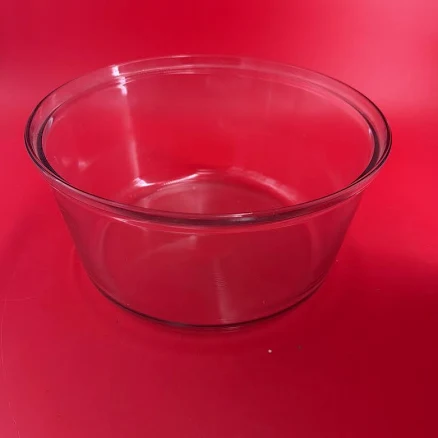
Big Boss
Oil Less Fryer Air Fryer 16 Quart Replacement Clear Glass
- borosilicate glass, bare uncoated
- We found no PFAS statement from the brand
- Thermal shock and fracture
2 hazards checked on this product. See all of them.
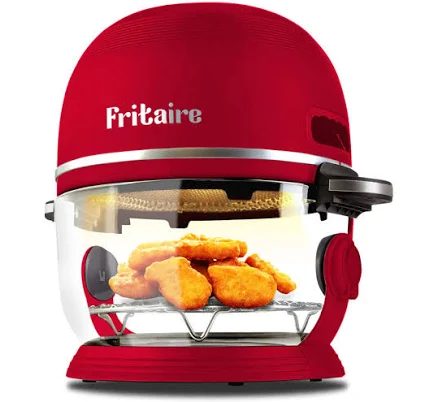
Fritaire
Glass Air Fryer Self-Cleaning & Non-Toxic
- borosilicate glass
- We found no PFAS statement from the brand
- Aluminum leaching from base/housing
4 hazards checked on this product. See all of them.
Find an alternative on Amazon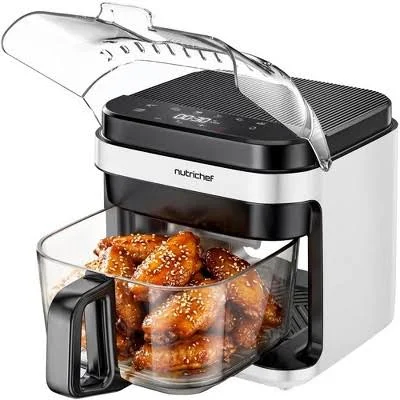
NutriChef
5.8 Qt Glass Air Fryer – 8-in-1 Digital Presets
- glass bowl, stainless steel exterior
- We found no PFAS statement from the brand
- Thermal stress and glass breakage
2 hazards checked on this product. See all of them.
Find an alternative on AmazonMore air fryers grades
How we score, every product runs through the same public 0-100 rubric based on materials, coatings, brand disclosure, lab findings, and recalls. See the full methodology → Spotted a mistake? Report an error.