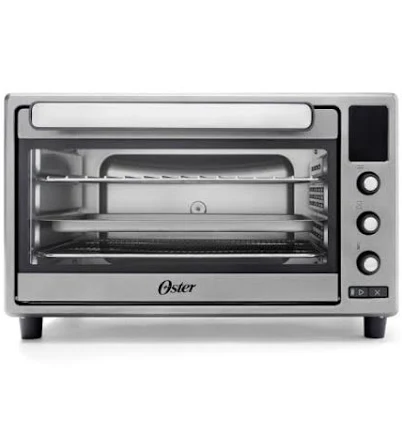
Oster 10 Function Air Fryer Oven Toaster Oven Countertop Oven
Uncertain; ask Oster about the interior coating.
Oster doesn't disclose PFAS or coating details for this oven. The stainless steel exterior is lower-risk, but the interior coating stays a mystery.
The better-graded swap
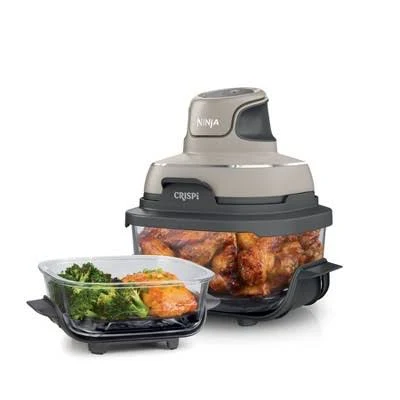
Ninja
Ninja Crispi 4-in-1 Portable Glass Air Fryer Cooking System
75/100 safety
Same rubric that flunked this product. The swap earned Excellent.
Still want this one anyway? Check the price on Amazon. We’d swap it.
Material
Stainless steel exterior, ceramic or aluminum interior coating (unspecified)
Brand disclosure
Brand is silent on PFAS
Lab data
No public lab test
You may also be interested in
Top-graded picks in the categories readers replace first, every one scored on the same rubric.

- polypropylene filter housing, carbon/sediment cartridge
- We found no PFAS statement from the brand
- Bacterial growth in spent cartridges
3 hazards checked on this product, all on its full breakdown.

Aquasure
Premier Series 75 GPD Under Sink Reverse Osmosis Water Filtration System
- RO membrane, carbon filters, stainless steel housing
- We found no PFAS statement from the brand
- Bacterial and microbial growth in housing and filters
4 hazards checked on this product, all on its full breakdown.

Avocado
Vegan Mattress
- organic cotton, natural latex, coconut coir, recycled steel coils
- The brand calls it PFAS-free, which we have not verified
- Heavy metals
2 hazards checked on this product, all on its full breakdown.
What Oster 10 Function Air Countertop Oven is made of, ingredients and materials
The Oster 10 Function features a stainless steel exterior, which is chemically stable and does not leach. The interior cooking surface is listed as ceramic or aluminum, but Oster's product documentation does not specify which. Ceramic coatings present lower concern than bare aluminum, which can leach metal ions into food at high heat. The unspecified coating is the main ambiguity; if it is ceramic, risks drop significantly.
What’s concerning
Category baseline
The starting point for this type of product, before anything specific to this product is counted.
No PFAS disclosure
No public statement from the brand about PFAS in this product.
Non-stick, chemistry undisclosed
Marketed as non-stick without stating the coating chemistry.
Aluminum leaching (interior coating unconfirmed)
If the interior is uncoated or poorly coated aluminum, acidic foods and high heat (above 400F) can cause leaching. Oster does not specify the coating composition, so direct contact with aluminum cannot be ruled out. Confirm ceramic coating via manufacturer before purchase.
Ceramic coating degradation over time
Ceramic coatings on air fryers can chip or flake from thermal shock, mechanical wear, or defects. Once compromised, the underlying aluminum or substrate becomes exposed and may leach. No specific recalls for this Oster model exist, but the risk is inherent to the product category.
Bacterial growth in removable crumb tray or vents
Air fryer ovens accumulate grease and food particles in trays and vent areas. Poor cleaning can support mold or bacterial growth, particularly if the tray is not regularly removed and washed. This is a maintenance risk, not a material hazard.
What’s reassuring
Heavy metals
If any decorative enamel or glaze is present on the interior, lead or cadmium contamination is theoretically possible but is not documented for Oster appliances. The stainless steel exterior does not pose this risk. Modern appliance glazes rarely contain these metals due to regulatory pressure, but Oster does not publicly certify compliance.
Source, FDA ↗Volatilization of coating residues at high temperature
If the ceramic or aluminum coating contains volatile organic compounds (VOCs) or residual solvents, they could off-gas during initial use or extreme heat. Oster does not disclose curing protocols or VOC testing. Airing out the oven before first use and ensuring ventilation minimizes any theoretical risk.
How is this PFAS grade calculated?
The brand's record and disclosure
Oster has not publicly disclosed PFAS testing, ingredient sourcing, or third-party safety certifications for this model. The brand does not maintain a visible chemical transparency initiative or coating specification sheet readily available to consumers. Oster is owned by Sunbeam Products, a large appliance manufacturer with no major documented recalls specific to this air fryer model for coating degradation or leaching.
How it compares in its category
Most air fryer ovens in this price tier use either ceramic-coated aluminum or non-stick coatings; Oster's ceramic-likely interior is mid-range. Premium competitors (Cosori, Instant Pot) publish coating materials and PFAS policies more openly. Budget models often use uncoated or poorly documented aluminum, making Oster competitive on transparency relative to its category, though still opaque.
If you buy it
Confirm the interior coating is ceramic, not bare aluminum, before purchase via Oster customer service. Do not exceed manufacturer temperature recommendations (typically 450F for air fryer ovens) to minimize coating stress. Hand-wash the interior gently to prevent coating chips; avoid scouring pads. Replace the unit if the coating becomes visibly scratched, peeling, or discolored, as this indicates degradation risk.
What is not known about PFAS in this product?
- Basis
- Model estimate, 62% confidence, not a lab result
- Lab test
- None on record for this exact product
- Brand statement
- Oster has made none
Formulations change between production runs, so check the current label. How we grade.
What are the PFAS-free alternatives to Oster 10 Function Air Fryer Oven Toaster Oven Countertop Oven?
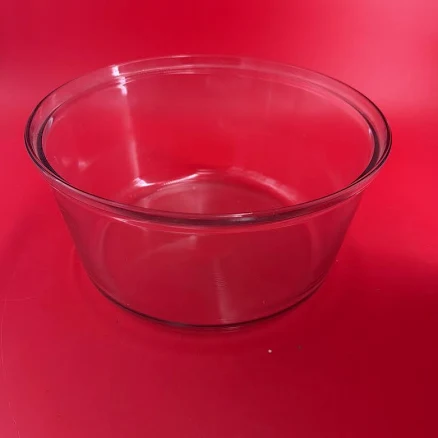
- borosilicate glass, bare uncoated
- We found no PFAS statement from the brand
- Thermal shock and fracture
2 hazards checked on this product, all on its full breakdown.
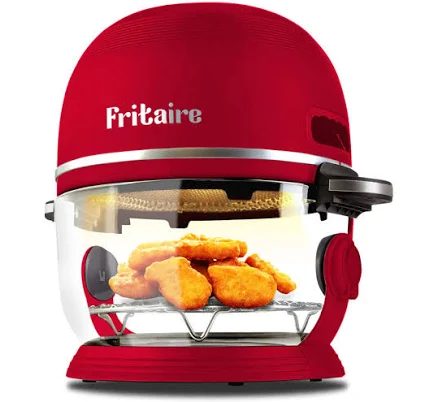
- borosilicate glass
- We found no PFAS statement from the brand
- Aluminum leaching from base/housing
4 hazards checked on this product, all on its full breakdown.
Find an alternative on Amazon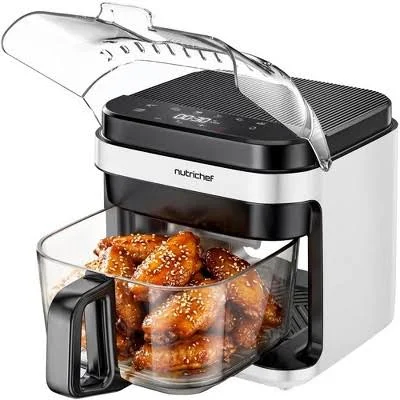
- glass bowl, stainless steel exterior
- We found no PFAS statement from the brand
- Thermal stress and glass breakage
2 hazards checked on this product, all on its full breakdown.
Find an alternative on AmazonMore air fryers grades
How we score, every product runs through the same public 0-100 rubric based on materials, coatings, brand disclosure, lab findings, and recalls. See the full methodology → Spotted a mistake? Report an error.