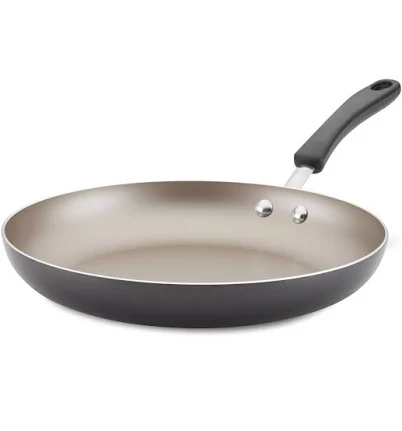
Farberware Cookstart Aluminum DiamondMax Nonstick Skillet
Avoid until coating details are disclosed.
Farberware won't disclose what nonstick coating goes on DiamondMax skillets. Without confirmation it's Teflon-type coating-free or third-party tested, you cannot rule out PFAS risk from standard nonstick cookware.
The better-graded swap
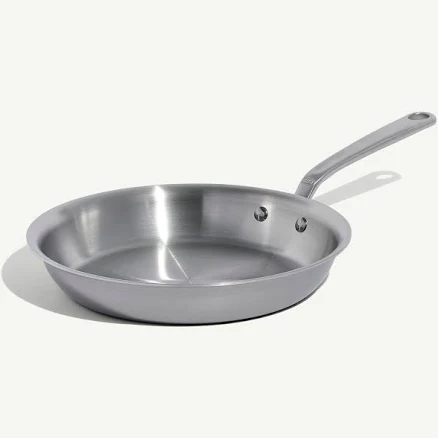
Made In
Made In Stainless Clad Fry Pan
100/100 safety
Same rubric that flunked this product. The swap earned Excellent.
Still want this one anyway? Check the price on Amazon. We’d swap it.
Material
Aluminum with DiamondMax nonstick coating, type unspecified
Lab data
No public lab test
Is Farberware Cookstart Aluminum DiamondMax non-toxic? What it is made of
This skillet combines aluminum core with a proprietary 'DiamondMax' nonstick coating of unspecified chemistry. Aluminum cookware can leach metal into acidic or salty foods, though amounts typically remain below health concern thresholds in normal use. The coating's exact formulation (whether Teflon-type coating-based, ceramic hybrid, or alternative polymer) is not publicly disclosed by Farberware, making independent safety assessment difficult. Coating durability and degradation pathways remain unknown without access to material specifications.
What’s concerning
Category baseline
The starting point for this type of product, before anything specific to this product is counted.
No PFAS disclosure
No public statement from the brand about PFAS in this product.
Non-stick, chemistry undisclosed
Marketed as non-stick without stating the coating chemistry.
Aluminum leaching
Aluminum core can migrate into food under acidic conditions or prolonged heating; risk is low under normal stovetop use but cumulative with frequency. Nonstick coating acts as a barrier if intact, but degradation increases exposure.
Teflon-type coating fume risk (thermal decomposition)
DiamondMax coating composition is undisclosed; if Teflon-type coating-based, overheating above 500 degF can release fluorine polymers. Farberware does not publicly specify maximum safe temperature, leaving uncertainty about fume risk under heavy use or accidental high-heat exposure.
Coating degradation and microparticle release
Repeated washing, metal utensil use, and thermal cycling can crack or peel aluminum-nonstick bonds over time. Shed coating particles may be ingested if not visibly obvious; long-term exposure data for proprietary diamond-reinforced coatings is sparse.
Lack of transparency on coating chemistry
Farberware's silence on DiamondMax formulation (PFAS-free status, binder polymer, curing process) is consistent with industry-wide reluctance to disclose nonstick details. This opacity limits consumer ability to assess true safety profile or predict long-term coating behavior.
What’s reassuring
Lead
No recalls or documented cases of heavy metal contamination in Farberware DiamondMax skillets are on record. Aluminum nonstick cookware typically does not use ceramic glazes that historically harbored lead, reducing this risk relative to decorated stoneware.
Source, ATSDR ↗The full breakdown
The brand's record and disclosure
Farberware has not publicly disclosed detailed specifications for DiamondMax coating chemistry or manufacturing standards. The brand maintains no visible certifications (such as GOTS, Oeko-Tex, or third-party nonstick safety audits) relevant to coating safety. Farberware is owned by Groupe SEB, a large cookware manufacturer, but the parent company's transparency on PFAS and nonstick chemistry varies across product lines. No significant recalls or safety controversies specific to this model are on record.
How it compares in its category
Aluminum nonstick skillets are common entry-level cookware; this product is mid-range in price and performance. Compared to ceramic-coated alternatives, aluminum with unspecified synthetic coatings carry slightly higher uncertainty about long-term coating stability and leaching risk. Stainless steel and cast iron competitors avoid nonstick coating risks entirely but require different cooking techniques. The DiamondMax branding suggests a diamond-particle reinforced coating, which may improve durability but does not clarify the underlying binder polymer.
If you buy it
Avoid prolonged contact with acidic foods (tomatoes, vinegar, citrus) and never use on high heat (keep below medium-high to minimize coating stress and aluminum migration). Hand-wash only; dishwashers degrade nonstick coatings faster. Inspect the cooking surface monthly for scratches, flaking, or discoloration; replace if coating becomes visibly damaged. Store separately from metal utensils and abrasive sponges to extend coating life.
What we don’t know
- Basis
- Model estimate, 35% confidence, not a lab result
- Lab test
- None on record for this exact product
- Brand statement
- Farberware has made a specific claim
Formulations change between production runs, so check the current label. How we grade.
Better-graded alternatives in Cookware
Made In
Stainless Clad Fry Pan
- Stainless steel clad construction, no nonstick coating
- The brand calls it PFAS-free, which we have not verified
- Clad separation or delamination over time
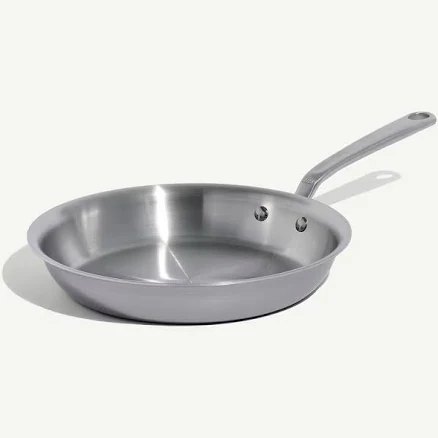
Made In
10' Stainless Clad Frying Pan
- stainless steel clad construction, no nonstick coating
- The brand calls it PFAS-free, which we have not verified
- Nickel leaching from stainless steel
3 hazards checked on this product. See all of them.
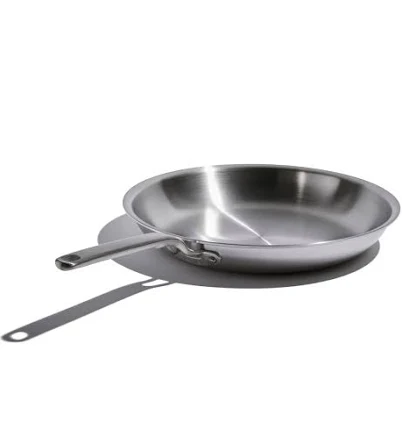
Heritage Steel
Eater Fry Pan
- Clad stainless steel, no coating
- The brand calls it PFAS-free, which we have not verified
- Metal ion release during cooking (iron, nickel, chromium)
More cookware grades
How we score, every product runs through the same public 0-100 rubric based on materials, coatings, brand disclosure, lab findings, and recalls. See the full methodology → Spotted a mistake? Report an error.