Fitbit · Waterproof Fitness Trackers & Cases
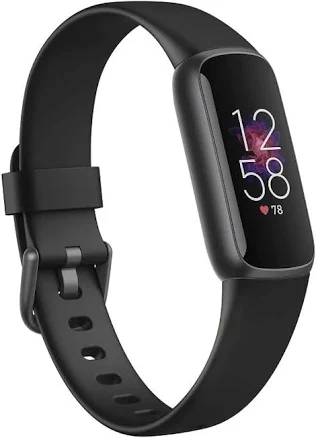
Fitbit Luxe Fitness Tracker
No coating described, and no PFAS statement from the brand.
The product information we reviewed describes stainless steel case, elastomer band, with no water-repellent coating named. Water resistance on products like this usually comes from the material and its seals rather than a surface treatment. The brand has published no PFAS statement for it.
We flunk more products than we pass. This one earned its grade. How we grade
Material
Stainless steel case, elastomer band
Lab data
No public lab test
You may also be interested in
Top-graded picks in the categories readers replace first, every one scored on the same rubric.

- polypropylene filter housing, carbon/sediment cartridge
- We found no PFAS statement from the brand
- Bacterial growth in spent cartridges
3 hazards checked on this product, all on its full breakdown.

Aquasure
Premier Series 75 GPD Under Sink Reverse Osmosis Water Filtration System
- RO membrane, carbon filters, stainless steel housing
- We found no PFAS statement from the brand
- Bacterial and microbial growth in housing and filters
4 hazards checked on this product, all on its full breakdown.

Avocado
Vegan Mattress
- organic cotton, natural latex, coconut coir, recycled steel coils
- The brand calls it PFAS-free, which we have not verified
- Heavy metals
2 hazards checked on this product, all on its full breakdown.
What Fitbit Luxe Fitness Tracker is made of, ingredients and materials
The Fitbit Luxe uses a stainless steel case, which is inherently corrosion-resistant and does not leach metals under normal wear. The elastomer band (typically silicone or synthetic rubber) is a common wearable material chosen for skin contact because it resists degradation from sweat and water exposure. No ceramic glaze, enamel, or polymer coating is documented as part of the design, which eliminates the hazard classes associated with cookware or coated metal surfaces. The waterproof rating relies on seals and the material integrity itself, not a protective coating that could degrade.
What’s concerning
Category baseline
The starting point for this type of product, before anything specific to this product is counted.
No PFAS disclosure
No public statement from the brand about PFAS in this product.
Elastomer band degradation and skin irritation
Elastomer bands can degrade under UV exposure or high heat, potentially becoming sticky or rough. In rare cases, individuals with latex or rubber sensitivity may experience contact dermatitis; no specific allergen warnings are documented for the Fitbit Luxe band material.
Bacterial or fungal growth under band
Any wearable band can trap moisture and sweat if not cleaned regularly, creating a microenvironment for microbial growth. This is a usage issue, not a manufacturing defect, but regular cleaning prevents it.
Waterproof seal failure and internal corrosion
While the stainless steel case resists corrosion, repeated submersion or seal degradation can allow water ingress to internal electronics. This is a mechanical failure risk, not a chemical hazard from the materials themselves, but it can develop over 2-3 years of heavy water exposure.
What’s reassuring
Base material not linked to PFAS
The main material recorded for this product is not one associated with PFAS.
Metal ion leaching from stainless steel
Stainless steel does not leach nickel or other metals under normal skin contact conditions. Some individuals with severe nickel sensitivity may theoretically react, but this is not a documented issue for the Fitbit Luxe and is not specific to this product.
Formaldehyde / VOCs
Silicone and synthetic elastomer bands do not typically off-gas volatile organic compounds or formaldehyde under normal wear conditions. No recalls or complaints are on record for the Fitbit Luxe band material.
Source, ATSDR ↗How is this PFAS grade calculated?
The brand's record and disclosure
Fitbit (owned by Google since 2021) does not publish a specific PFAS statement for consumer wearables, leaving its manufacturing stance ambiguous. The company has faced no major public recalls or safety controversies tied to material hazards in fitness trackers. Fitbit provides standard product care guidance but does not offer detailed material safety documentation beyond typical regulatory compliance. As a Google subsidiary, Fitbit operates under parent company environmental policies, but these do not extend to routine PFAS transparency for wearable hardware.
How it compares in its category
Waterproof fitness trackers in this market segment typically use stainless steel casings and silicone or elastomer bands, making the Luxe materially conventional. Ceramic or coated metal alternatives (e.g., some luxury smartwatch bezels) introduce potential lead or cadmium hazards in glazes, which the Luxe avoids. The elastomer band is lower-risk than fabric bands, which can trap sweat and harbor microbial growth if not regularly cleaned. Overall, the Luxe sits in the mainstream material profile for wearables, with no atypical chemical exposure pathways.
If you buy it
Rinse the elastomer band regularly with fresh water and mild soap to prevent sweat buildup and odor; dry thoroughly before wear. Avoid prolonged exposure to extreme heat (saunas, direct sunlight for hours) as elastomer can degrade and lose elasticity over time, though the stainless steel case will not be affected. Do not use harsh solvents or abrasive cleaners on the band or case. If the elastomer band shows visible cracking, peeling, or hardening after 1-2 years, replacement band kits are widely available and inexpensive; the case itself has no known wearing parts.
What is not known about PFAS in this product?
- Basis
- Model estimate, 45% confidence, not a lab result
- Lab test
- None on record for this exact product
- Brand statement
- Fitbit has made a specific claim
Formulations change between production runs, so check the current label. How we grade.
More waterproof fitness trackers & cases grades
How we score, every product runs through the same public 0-100 rubric based on materials, coatings, brand disclosure, lab findings, and recalls. See the full methodology → Spotted a mistake? Report an error.