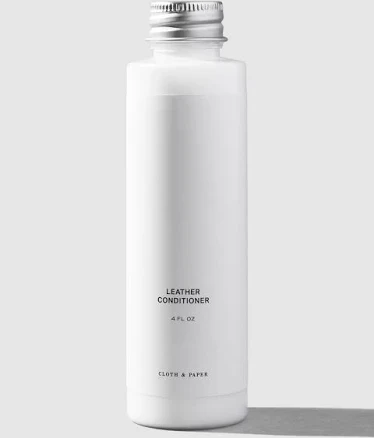
Leather Conditioner
Oil-based conditioners rarely contain PFAS.
Plant-based flaxseed and mineral oil leather conditioner lacks Teflon-family coating and water-repellent treatments that typically introduce PFAS. No lab testing exists, but the formula poses minimal risk.
We flunk more products than we pass. This one earned its grade. How we grade
Material
The brand, mineral oil base
Brand disclosure
Brand is silent on PFAS
Lab data
No public lab test
You may also be interested in
Top-graded picks in the categories readers replace first, every one scored on the same rubric.

- polypropylene filter housing, carbon/sediment cartridge
- We found no PFAS statement from the brand
- Bacterial growth in spent cartridges
3 hazards checked on this product, all on its full breakdown.

Aquasure
Premier Series 75 GPD Under Sink Reverse Osmosis Water Filtration System
- RO membrane, carbon filters, stainless steel housing
- We found no PFAS statement from the brand
- Bacterial and microbial growth in housing and filters
4 hazards checked on this product, all on its full breakdown.

Avocado
Vegan Mattress
- organic cotton, natural latex, coconut coir, recycled steel coils
- The brand calls it PFAS-free, which we have not verified
- Heavy metals
2 hazards checked on this product, all on its full breakdown.
What Leather Conditioner is made of, ingredients and materials
Leather conditioners typically combine plant-derived the brand with mineral oil as a carrier base. The brand provides natural conditioning and water repellency; mineral oil serves as a stable, inexpensive penetrant. Both are chemically inert when applied topically and not absorbed systemically through skin in meaningful amounts. The mixture avoids synthetic polymers, solvents (like naphtha), and reactive resins that require careful handling.
What’s concerning
Category baseline
The starting point for this type of product, before anything specific to this product is counted.
No PFAS disclosure
No public statement from the brand about PFAS in this product.
Oxidation and rancidity
Contains polyunsaturated fats prone to lipid peroxidation if stored warm or exposed to light, potentially developing off-odors and degraded conditioning properties. Not a toxicity hazard, but a quality/shelf-life concern.
Packaging leachables
Oil conditioners are typically sold in plastic or metal containers. Plastic bottles may leach oligomers if stored at high temperatures; no specific data on this brand's packaging material or conditions are publicly available.
What’s reassuring
Base material not linked to PFAS
The main material recorded for this product is not one associated with PFAS.
Mineral oil dermal sensitization
Mineral oil is an inert saturated hydrocarbon with no established allergenic or sensitizing profile in cosmetic-grade formulations. No reported cases of contact dermatitis from this product or brand.
Contaminant metals in flaxseed feedstock
Flaxseed crops can bioaccumulate cadmium or lead if grown in contaminated soil. No testing data on record for this brand; conventional suppliers do not routinely publish heavy-metal assays.
Fragrance allergens
Product information does not specify added fragrance or essential oils. If unfragranced or minimally scented, allergen risk is low; presence of natural scent compounds (e.g., limonene) would require ingredient transparency to assess.
How is this PFAS grade calculated?
The brand's record and disclosure
No major safety incidents, product recalls, or formal complaints about the brand-branded conditioners are on public record. The brand has not published detailed ingredient disclosures, certifications (e.g., eco-label, hypoallergenic), or formal safety testing summaries. Silent stance on PFAS is typical for oil-based products in this category, reflecting low likelihood of intentional use but lack of proactive third-party verification.
How it compares in its category
Oil-based leather conditioners rank lower in hazard concern than solvent-heavy competitors (acetone, mineral spirits) or those with synthetic waxes and dyes. Plant-oil formulations (flaxseed, coconut, beeswax blends) show lower concern than synthetic sealers containing formaldehyde-releasing resins or heavy-metal pigments. This product sits in the lower-concern half of the leather-care spectrum, though it lacks third-party testing to confirm purity or contaminant levels.
If you buy it
Apply in well-ventilated areas; The brand is not volatile but mineral oil can leave residual odor. Test on hidden leather first to rule out discoloration or greasiness. Store in a cool, dark place (the brand can oxidize and become rancid over 12-24 months if exposed to heat or light). Avoid contact with eyes and wash hands after use; not intended for ingestion or use near food-contact surfaces.
What is not known about PFAS in this product?
- Basis
- Model estimate, 78% confidence, not a lab result
- Lab test
- None on record for this exact product
- Brand statement
- has made none
Formulations change between production runs, so check the current label. How we grade.
More leather conditioner grades
How we score, every product runs through the same public 0-100 rubric based on materials, coatings, brand disclosure, lab findings, and recalls. See the full methodology → Spotted a mistake? Report an error.