Neatsfoot Oil · Leather Conditioner
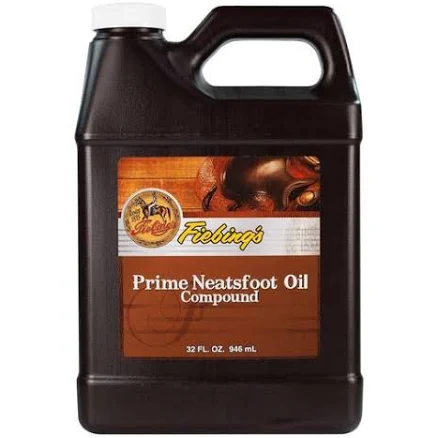
Fiebing Prime Neatsfoot Oil Compound
Lower concern. Traditional neatsfoot oil has no known PFAS use.
Traditional animal fat-derived oil for leather conditioning with no intentional fluorochemical treatment. No PFAS disclosure, but the material itself poses minimal risk.
We flunk more products than we pass. This one earned its grade. How we grade
Material
Neatsfoot oil (traditional animal fat-derived oil)
Brand disclosure
Brand is silent on PFAS
Lab data
No public lab test
You may also be interested in
Top-graded picks in the categories readers replace first, every one scored on the same rubric.

- polypropylene filter housing, carbon/sediment cartridge
- We found no PFAS statement from the brand
- Bacterial growth in spent cartridges
3 hazards checked on this product, all on its full breakdown.

Aquasure
Premier Series 75 GPD Under Sink Reverse Osmosis Water Filtration System
- RO membrane, carbon filters, stainless steel housing
- We found no PFAS statement from the brand
- Bacterial and microbial growth in housing and filters
4 hazards checked on this product, all on its full breakdown.

Avocado
Vegan Mattress
- organic cotton, natural latex, coconut coir, recycled steel coils
- The brand calls it PFAS-free, which we have not verified
- Heavy metals
2 hazards checked on this product, all on its full breakdown.
What Fiebing Prime Neatsfoot Oil Compound is made of, ingredients and materials
Fiebing Prime Neatsfoot Oil Compound is formulated from neatsfoot oil, a traditional conditioning agent derived from cattle bone marrow and fat, mixed with mineral oil and possibly wax or resin compounds for texture and durability. The base material has been used in leather care for centuries and undergoes minimal chemical processing compared to synthetic alternatives. The 'compound' designation suggests addition of stabilizers or thickening agents, but Fiebing does not publicly disclose the full formulation, making independent assessment of additives limited.
What’s concerning
Category baseline
The starting point for this type of product, before anything specific to this product is counted.
No PFAS disclosure
No public statement from the brand about PFAS in this product.
Oxidative degradation and rancidity
Neatsfoot oil is prone to oxidation over time, especially in warm or humid storage. Degraded product may develop off-flavors or mold risk if accidentally ingested (a concern only for small children or pets), though direct skin contact with oxidized oil is unlikely to cause acute harm.
Allergic sensitization to animal-derived proteins or contaminants
Neatsfoot oil may contain trace proteins or bacterial residues from the animal source material. Individuals with severe beef or animal product allergies or compromised skin barriers might experience mild irritation, though systemic reactions are not documented in published literature.
Undisclosed additive hazards in 'compound' formulation
The product label does not specify the nature or concentration of additives in the compound blend. Common additions include mineral oil (low hazard), rosin, or synthetic waxes; without full disclosure, potential contaminants or irritants cannot be ruled out entirely.
Skin contact irritation from mineral oil carrier (if present)
If the formulation includes mineral oil as a carrier, prolonged contact or application to abraded skin could cause mild occlusive irritation or comedogenicity in sensitive individuals, though serious dermal toxicity is not a concern for mineral oil.
What’s reassuring
Base material not linked to PFAS
The main material recorded for this product is not one associated with PFAS.
Heavy metals
No published recalls or test results document lead, cadmium, or other heavy metals in Fiebing neatsfoot oil. However, animal-derived fats can concentrate metals from feed or processing environments; Fiebing's silence on source control and testing leaves this unverified.
Source, FDA ↗How is this PFAS grade calculated?
The brand's record and disclosure
Fiebing is a long-established leather care manufacturer (est. 1899) with a history in the tanning and craft leather industry. The company does not publish ingredient lists or safety data sheets readily accessible to consumers, which limits transparency on potential additives or contaminants. No major recalls or toxicity incidents are on record for this specific product, though the brand's silence on formulation detail and PFAS stance leaves some uncertainty about processing or additive choices.
How it compares in its category
Neatsfoot oil compounds sit in the traditional, lower-chemistry end of leather conditioning products; synthetic alternatives (silicone-based, water-based acrylic blends) often include more synthetic additives and have larger carbon footprints but offer clearer ingredient disclosure. Neatsfoot oil products carry no known formaldehyde or volatile solvent hazards common in some modern blends. However, they lack the certifications (e.g., eco-labels, allergen standards) that some premium or eco-branded competitors advertise.
If you buy it
Apply in thin, even coats to clean leather in well-ventilated spaces; the product has a mild animal-fat odor that dissipates within hours. Test on a hidden area first, as neatsfoot oil can darken light-colored leather and may not suit suede or nubuck. Store in a cool, dry location away from heat or direct sunlight, as the oil can oxidize and become sticky if degraded. Reapply every 6-12 months depending on use and climate; discard if the product develops rancid odor, which indicates oxidative spoilage.
What is not known about PFAS in this product?
- Basis
- Model estimate, 82% confidence, not a lab result
- Lab test
- None on record for this exact product
- Brand statement
- Neatsfoot Oil has made none
Formulations change between production runs, so check the current label. How we grade.
More leather conditioner grades
How we score, every product runs through the same public 0-100 rubric based on materials, coatings, brand disclosure, lab findings, and recalls. See the full methodology → Spotted a mistake? Report an error.