Flexsteel · Upholstered Furniture
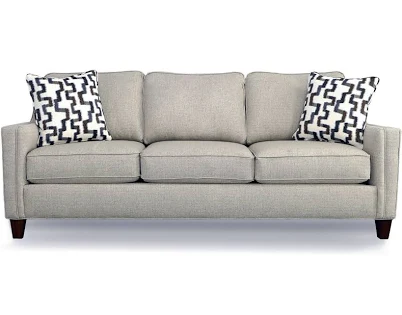
Flexsteel Finley Oat Sofa
Skip until brand discloses fabric treatment composition.
Flexsteel does not publicly disclose PFAS or stain-treatment details for this sofa. Oat upholstery fabric treatment unknown; contact brand for composition.
We flunk more products than we pass. This one earned its grade. How we grade
Material
Oat-colored upholstery fabric, unknown treatment
Brand disclosure
Brand is silent on PFAS
Lab data
No public lab test
You may also be interested in
Top-graded picks in the categories readers replace first, every one scored on the same rubric.

Aqua Pure
3M Aqua-Pure AP802B Whole House Filter Housing
- polypropylene filter housing, carbon/sediment cartridge
- We found no PFAS statement from the brand
- Bacterial growth in spent cartridges
3 hazards checked on this product. See all of them.

Aquasure
Premier Series 75 GPD Under Sink Reverse Osmosis Water Filtration System
- RO membrane, carbon filters, stainless steel housing
- We found no PFAS statement from the brand
- Bacterial and microbial growth in housing and filters
4 hazards checked on this product. See all of them.

Avocado
Vegan Mattress
- organic cotton, natural latex, coconut coir, recycled steel coils
- The brand calls it PFAS-free, which we have not verified
- Heavy metals
2 hazards checked on this product. See all of them.
What Flexsteel Finley Oat Sofa is made of, ingredients and materials
The Finley sofa's 'oat' upholstery is a woven fabric of unknown fiber content and finish. Flexsteel does not publicly disclose whether this fabric is polyester, cotton, a blend, or what treatments (dyes, water repellents, stain guards, flame retardants) have been applied. Without this information, you cannot assess exposure to formaldehyde-releasing resins, azo dyes, or persistent coatings.
What’s concerning
Category baseline
The starting point for this type of product, before anything specific to this product is counted.
No PFAS disclosure
No public statement from the brand about PFAS in this product.
Formaldehyde / VOCs
Oat-colored woven upholstery commonly receives formaldehyde-based resin finishes for wrinkle resistance and color-hold. Flexsteel does not disclose whether this finish is applied; off-gassing risk is unknown without material transparency.
Source, ATSDR ↗Azo dyes and colorant toxicity
The 'oat' color may be achieved with synthetic azo dyes, which can break down under heat or sweat and release aromatic amines. No dye specification or restricted-substance standard (e.g., OEKO-TEX) is published for this sofa.
Flame retardants
U.S. furniture sold after 2007 must meet federal flammability standards; Flexsteel likely uses flame-retardant-treated foam or flame-retardant-coated fabric to comply. Specific chemistry (halogenated, phosphorus-based, or PFAS-containing) is not disclosed.
Source, EPA ↗VOC off-gassing from adhesives and backing
Upholstered sofas emit volatile organic compounds from latex adhesives, polyurethane foam, and fabric backing during the first weeks to months. Flexsteel provides no off-gassing data; ventilation during and after delivery is recommended.
Foam degradation and dust generation over time
Polyurethane foam in sofas naturally degrades after 7-10 years, breaking into particles. This is typical wear, not a defect, but creates a minor inhalation concern if cushioning is not replaced; Flexsteel does not publish expected foam lifespan or replacement guidance.
What’s reassuring
Base material not linked to PFAS
The main material recorded for this product is not one associated with PFAS.
The full breakdown
The brand's record and disclosure
Flexsteel is a legacy upholstered furniture manufacturer with no published product safety certifications, third-party testing results, or material transparency statements on file. The brand has not publicly addressed flame retardant use, fabric treatment chemicals, or PFAS-related policy. No major recalls or legal action specific to chemical hazards in Flexsteel upholstery are documented in public records.
How it compares in its category
Most mid-range upholstered sofas do not disclose fabric treatments; Flexsteel is typical in this regard. Brands marketing 'natural' or 'safe' upholstery often provide mill certifications or Greenguard/OEKO-TEX labeling; the Finley does not. Without certification, this sofa sits in the broad baseline category where flame retardant and formaldehyde risk depends entirely on undisclosed manufacturing choices.
If you buy it
Request a written product specification sheet from Flexsteel listing fiber content, dye type, and all applied finishes before purchase. Unbox and air out in a well-ventilated space for 24-48 hours to allow volatile off-gassing. Inspect seams and padding for deterioration annually, as foam and adhesives degrade over time. Keep fabric dry; prolonged moisture exposure can promote mold growth and degrade adhesives.
What we don’t know
- Basis
- Model estimate, 35% confidence, not a lab result
- Lab test
- None on record for this exact product
- Brand statement
- Flexsteel has made none
Formulations change between production runs, so check the current label. How we grade.
More upholstered furniture grades
How we score, every product runs through the same public 0-100 rubric based on materials, coatings, brand disclosure, lab findings, and recalls. See the full methodology → Spotted a mistake? Report an error.