Garmin · Waterproof Fitness Trackers & Cases
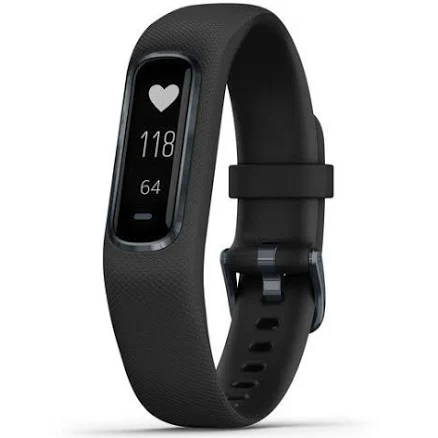
Garmin Vivosmart 4
No coating described, and no PFAS statement from the brand.
The product information we reviewed describes silicone band, plastic/polymer body, with no water-repellent coating named. Water resistance on products like this usually comes from the material and its seals rather than a surface treatment. The brand has published no PFAS statement for it.
We flunk more products than we pass. This one earned its grade. How we grade
Material
Silicone band, plastic/polymer body
Brand disclosure
Brand is silent on PFAS
Lab data
No public lab test
You may also be interested in
Top-graded picks in the categories readers replace first, every one scored on the same rubric.

- polypropylene filter housing, carbon/sediment cartridge
- We found no PFAS statement from the brand
- Bacterial growth in spent cartridges
3 hazards checked on this product, all on its full breakdown.

Aquasure
Premier Series 75 GPD Under Sink Reverse Osmosis Water Filtration System
- RO membrane, carbon filters, stainless steel housing
- We found no PFAS statement from the brand
- Bacterial and microbial growth in housing and filters
4 hazards checked on this product, all on its full breakdown.

Avocado
Vegan Mattress
- organic cotton, natural latex, coconut coir, recycled steel coils
- The brand calls it PFAS-free, which we have not verified
- Heavy metals
2 hazards checked on this product, all on its full breakdown.
What Garmin Vivosmart 4 is made of, ingredients and materials
The Vivosmart 4 uses a silicone elastomer band and a thermoplastic polymer (likely polycarbonate or ABS) case. Silicone is inert and does not leach harmful chemicals under normal skin contact or sweat exposure. The plastic body is rigid and not designed to contact food or liquids, so leaching risk from that component is negligible in typical use.
What’s concerning
Category baseline
The starting point for this type of product, before anything specific to this product is counted.
No PFAS disclosure
No public statement from the brand about PFAS in this product.
Silicone band degradation and microparticle shedding
Long-term UV exposure or repeated mechanical stress can cause silicone to crack, fragment, or shed microparticles. This is cosmetic wear rather than a chemical hazard, but extended outdoor use or aggressive cleaning may accelerate it.
Bacterial growth in band crevices and moisture traps
The silicone band can trap sweat and bacteria in seams and vent holes if not dried and cleaned regularly, especially in warm or humid climates. This is a hygiene issue rather than chemical toxicity.
What’s reassuring
Base material not linked to PFAS
The main material recorded for this product is not one associated with PFAS.
Nickel or other contact allergens in plastic body hardware
No recalls or reports of nickel allergy reactions from the Vivosmart 4 body or clasp hardware. Standard plastic electronics do not typically contain nickel, but clasps and metal accents are not detailed by Garmin.
Off-gassing or volatile organic compounds from plastic housing
No published data on VOC emissions from the Vivosmart 4 plastic case. Rigid polycarbonate or ABS housings typically off-gas minimally at room temperature and are not known to cause respiratory or dermal effects in normal wearable use.
Skin sensitization from silicone formulation additives
Medical-grade silicone is hypoallergenic and widely used in wearables. Garmin does not disclose silicone grade or additives, but no allergic contact dermatitis cases have been reported for this model.
How is this PFAS grade calculated?
The brand's record and disclosure
Garmin does not publicly disclose PFAS content or chemical composition details for wearables, and no formal PFAS-free certification is on record. The company has had no major toxicity recalls for the Vivosmart line. Garmin generally maintains compliance with EU and North American consumer safety standards but does not volunteer detailed material safety data sheets for consumer devices.
How it compares in its category
The Vivosmart 4 is in the mainstream fitness tracker segment, where silicone bands and plastic bodies dominate. This material has lower concern than metal housings (which can include nickel or other allergens) or coated textiles (which may off-gas). Performance and safety are typical for this category; no standout concerns or advantages relative to competitors like Fitbit or Apple Watch.
If you buy it
Rinse the silicone band weekly with soap and water to prevent sweat and bacteria buildup, especially if worn during exercise. Avoid prolonged exposure to extreme heat above 60C (140F), as silicone can degrade over time. The band is user-replaceable, so wear-and-tear replacement is straightforward. Store the device away from direct sunlight to slow any minor polymer yellowing.
What is not known about PFAS in this product?
- Basis
- Model estimate, 45% confidence, not a lab result
- Lab test
- None on record for this exact product
- Brand statement
- Garmin has made none
Formulations change between production runs, so check the current label. How we grade.
More waterproof fitness trackers & cases grades
How we score, every product runs through the same public 0-100 rubric based on materials, coatings, brand disclosure, lab findings, and recalls. See the full methodology → Spotted a mistake? Report an error.