Garnier-Thiebaut · Stain-Resistant Textiles
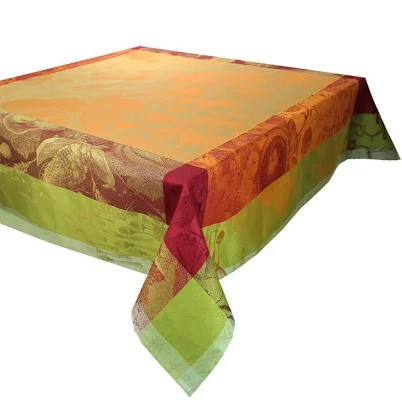
Garnier Thiebaut Cotton French Tablecloth Festin De Roi King Stain
Avoid unless the brand discloses or certifies its stain-resistant treatment.
This cotton tablecloth claims stain resistance, a feature historically achieved with PFAS-based water-repellent treatments. Garnier-Thiebaut provides no disclosure of finish composition or PFAS verification.
Still want this one anyway? Check the price on Amazon. We’d swap it.
Material
100% cotton with stain-resistant finish
Brand disclosure
Brand is silent on PFAS
Lab data
No public lab test
You may also be interested in
Top-graded picks in the categories readers replace first, every one scored on the same rubric.

- polypropylene filter housing, carbon/sediment cartridge
- We found no PFAS statement from the brand
- Bacterial growth in spent cartridges
3 hazards checked on this product, all on its full breakdown.

Aquasure
Premier Series 75 GPD Under Sink Reverse Osmosis Water Filtration System
- RO membrane, carbon filters, stainless steel housing
- We found no PFAS statement from the brand
- Bacterial and microbial growth in housing and filters
4 hazards checked on this product, all on its full breakdown.

Avocado
Vegan Mattress
- organic cotton, natural latex, coconut coir, recycled steel coils
- The brand calls it PFAS-free, which we have not verified
- Heavy metals
2 hazards checked on this product, all on its full breakdown.
What Garnier Thiebaut Cotton Roi King Stain is made of, ingredients and materials
This tablecloth is 100% cotton, a natural fiber with no inherent chemical hazards. The stain-resistant finish is the critical unknown, Garnier-Thiebaut does not publicly disclose whether their stain-resistant treatments use PFAS (PFAS "forever chemicals") or alternatives like silicone or wax-based coatings. Cotton itself is durable and washable, but the finish's durability and leachability depend entirely on the treatment chemistry.
What’s concerning
Category baseline
The starting point for this type of product, before anything specific to this product is counted.
No PFAS disclosure
No public statement from the brand about PFAS in this product.
Waterproof / stain-resistant treatment
Water-repellent coating treatments have historically used PFAS.
PFAS
No disclosure from brand; stain-resistant cotton textiles commonly use PFAS-based treatments. Leaching into food and water during use and laundering is the primary route of concern.
Source, ATSDR ↗Finish degradation and microparticle shedding
As stain-resistant coating wears with repeated washing and use, small particles may shed into wash water and food. The extent and composition depend on the specific finish chemistry, which is undisclosed.
What’s reassuring
Formaldehyde / VOCs
No reports or certifications for this product indicate formaldehyde use, but it is a possible component in some durable-press or wrinkle-resistant finishes. Pre-wash will reduce any residual formaldehyde.
Source, ATSDR ↗Azo dyes
Garnier-Thiebaut is a European brand subject to stricter dye regulations than many competitors. No evidence of banned azo dyes in this product, but certification (OEKO-TEX) is absent from public claims.
How is this PFAS grade calculated?
The brand's record and disclosure
Garnier-Thiebaut is a respected French textile maker with a long history, but the company has not made public commitments to avoiding PFAS-based finishes or full transparency about treatment chemicals. No recalls, controversies, or certifications (such as OEKO-TEX Standard 100 or GOTS) are on record for this specific product line. The brand's silence on stain-resist chemistry means you cannot verify safety claims without contacting them directly.
How it compares in its category
Most durable stain-resistant tablecloths in this price range use PFAS-based treatments because they are highly effective and long-lasting. Organic cotton tablecloths without chemical finishes exist but are rarer and often cost more. Garnier-Thiebaut's product falls in the mainstream category where PFAS use is common but not disclosed to consumers as a matter of course.
If you buy it
Wash before first use to reduce any residual finish. Avoid high heat (machine dry only on low or lay flat) because PFAS compounds, if present, can volatilize. The finish will degrade gradually with washing; after 50-100 washes, stain resistance may noticeably decrease. If concerned about PFAS exposure, contact Garnier-Thiebaut's customer service to request the technical data sheet (TDS) for the stain-resistant finish used in this product.
What is not known about PFAS in this product?
- Basis
- Model estimate, 45% confidence, not a lab result
- Lab test
- None on record for this exact product
- Brand statement
- Garnier-Thiebaut has made none
Formulations change between production runs, so check the current label. How we grade.
What are the PFAS-free alternatives to Garnier Thiebaut Cotton French Tablecloth Festin De Roi King Stain?
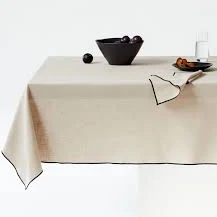
- 100% organic cotton, no coating
- We found no PFAS statement from the brand
- Azo dyes and synthetic colorants
3 hazards checked on this product, all on its full breakdown.
Find an alternative on Amazon
Amazon Essentials Light Blue Multicolor Cotton Tablecloth
- 100% cotton
- Formaldehyde / VOCs
4 hazards checked on this product, all on its full breakdown.
Find an alternative on Amazon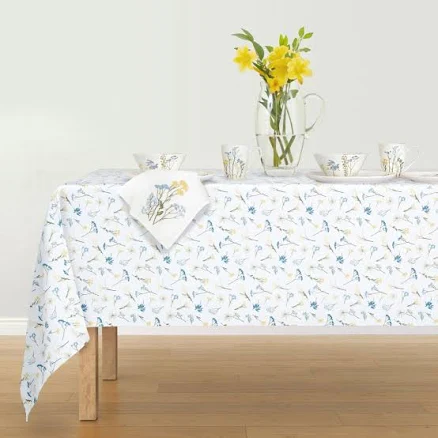
- 100% cotton woven tablecloth
- We found no PFAS statement from the brand
- Azo dyes in printed textiles
4 hazards checked on this product, all on its full breakdown.
Find an alternative on AmazonMore stain-resistant textiles grades
How we score, every product runs through the same public 0-100 rubric based on materials, coatings, brand disclosure, lab findings, and recalls. See the full methodology → Spotted a mistake? Report an error.