Google · Waterproof Personal Electronics Cases
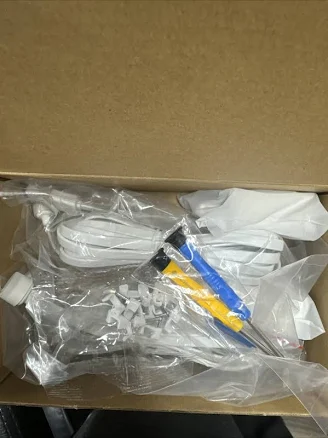
Google Nest Cam Charging Cable 2 Pack
Low risk. Standard polymer unlikely to contain PFAS.
Nest charging cables use common USB construction without documented water repellency or specialty coatings requiring PFAS.
We flunk more products than we pass. This one earned its grade. How we grade
Material
USB cable with standard polymer jacketing
Brand disclosure
Brand is silent on PFAS
Lab data
No public lab test
You may also be interested in
Top-graded picks in the categories readers replace first, every one scored on the same rubric.

- polypropylene filter housing, carbon/sediment cartridge
- We found no PFAS statement from the brand
- Bacterial growth in spent cartridges
3 hazards checked on this product, all on its full breakdown.

Aquasure
Premier Series 75 GPD Under Sink Reverse Osmosis Water Filtration System
- RO membrane, carbon filters, stainless steel housing
- We found no PFAS statement from the brand
- Bacterial and microbial growth in housing and filters
4 hazards checked on this product, all on its full breakdown.

Avocado
Vegan Mattress
- organic cotton, natural latex, coconut coir, recycled steel coils
- The brand calls it PFAS-free, which we have not verified
- Heavy metals
2 hazards checked on this product, all on its full breakdown.
What Google Nest Cam Charging Cable 2 Pack is made of, ingredients and materials
Google Nest Cam charging cables are standard USB Type-A to proprietary connector cables with PVC or TPE polymer jacketing. The core conductor is copper, and the insulation is non-halogenated in most modern USB cables to meet fire safety standards. This is a passive component with no electronics, heating elements, or complex coatings, which eliminates most chemical leaching pathways found in more complex products.
What’s concerning
Category baseline
The starting point for this type of product, before anything specific to this product is counted.
No PFAS disclosure
No public statement from the brand about PFAS in this product.
Polymer jacketing degradation and off-gassing
PVC or TPE jackets can release volatile organic compounds (VOCs) if exposed to sustained heat or UV light, though risk is minimal in indoor charging scenarios. Degradation typically occurs after years of use or mishandling.
Connector corrosion or material leaching into devices
Proprietary Nest connectors may oxidize or corrode over years of moisture exposure, potentially releasing trace metals or oxides. Risk is low in dry indoor environments but increases with repeated wet conditions.
What’s reassuring
Base material not linked to PFAS
The main material recorded for this product is not one associated with PFAS.
Phthalate plasticizers in older polymer formulations
Modern Google cables are expected to comply with RoHS limits on phthalates, but public material composition data is not disclosed. No incidents or test results for this specific product are on record.
Heavy metals
Copper wire used in USB cables is not a direct contact hazard in normal charging use. Regulatory standards (RoHS) limit lead in solder joints; no violations are documented for Google products.
Source, FDA ↗How is this PFAS grade calculated?
The brand's record and disclosure
Google has not published specific material safety data sheets or transparency reports for individual charging cables. The company maintains general compliance with RoHS (Restriction of Hazardous Substances) and CE marking requirements for electronics sold in regulated markets, which constrains lead, cadmium, and phthalates. No recalls or safety controversies specific to Nest charging cables are on record in public databases.
How it compares in its category
Proprietary charging cables from major brands (Google, Apple, Amazon) typically meet the same baseline regulatory standards as third-party USB cables. The main distinction is durability and connector fit; Google's cables are engineered to Nest hardware specs. Generic USB-C or micro-USB alternatives carry similar chemical profiles but may have lower connector reliability, increasing replacement frequency.
If you buy it
Store cables away from heat sources above 60°C (140°F) to avoid polymer degradation and potential minor off-gassing. Inspect the cable jacket regularly for cracks or exposed wiring; replace immediately if damage appears. Avoid kinking or pinching near connectors, which can damage insulation over time. The proprietary connector means replacement cables must be Google-branded, but standard lifespan is 2-4 years under normal use.
What is not known about PFAS in this product?
- Basis
- Model estimate, 72% confidence, not a lab result
- Lab test
- None on record for this exact product
- Brand statement
- Google has made none
Formulations change between production runs, so check the current label. How we grade.
More waterproof personal electronics cases grades
How we score, every product runs through the same public 0-100 rubric based on materials, coatings, brand disclosure, lab findings, and recalls. See the full methodology → Spotted a mistake? Report an error.