The Joy Factory · Waterproof Personal Electronics Cases
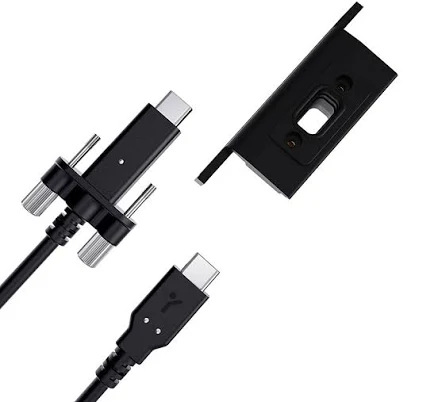
Joy Factory DuraLink USB-C Waterproof Charging Cable Kit
No coating described, and no PFAS statement from the brand.
The product information we reviewed describes pVC/TPE cable, with no water-repellent coating named. Water resistance on products like this usually comes from the material and its seals rather than a surface treatment. The brand has published no PFAS statement for it.
We flunk more products than we pass. This one earned its grade. How we grade
Material
PVC/TPE cable
Brand disclosure
Brand is silent on PFAS
Lab data
No public lab test
You may also be interested in
Top-graded picks in the categories readers replace first, every one scored on the same rubric.

- polypropylene filter housing, carbon/sediment cartridge
- We found no PFAS statement from the brand
- Bacterial growth in spent cartridges
3 hazards checked on this product, all on its full breakdown.

Aquasure
Premier Series 75 GPD Under Sink Reverse Osmosis Water Filtration System
- RO membrane, carbon filters, stainless steel housing
- We found no PFAS statement from the brand
- Bacterial and microbial growth in housing and filters
4 hazards checked on this product, all on its full breakdown.

Avocado
Vegan Mattress
- organic cotton, natural latex, coconut coir, recycled steel coils
- The brand calls it PFAS-free, which we have not verified
- Heavy metals
2 hazards checked on this product, all on its full breakdown.
What Joy Factory DuraLink USB-C Cable Kit is made of, ingredients and materials
This cable uses PVC (polyvinyl chloride) and TPE (thermoplastic elastomer) as its jacket materials. PVC is a rigid plastic often softened with plasticizers; TPE is a flexible synthetic rubber alternative. For a charging cable that does not contact food or skin prolongedly, neither material poses significant leaching risk under normal use. The waterproof rating comes from sealed connectors and the inherent moisture-resistance of these polymers, not from a separate protective coating.
What’s concerning
Category baseline
The starting point for this type of product, before anything specific to this product is counted.
No PFAS disclosure
No public statement from the brand about PFAS in this product.
PVC plasticizer leaching
PVC jacket may contain phthalate or non-phthalate plasticizers to achieve flexibility. For a charging cable with minimal skin contact and no food use, leaching is not a practical exposure route, but very prolonged contact with warm skin could theoretically mobilize small amounts of plasticizer.
Connector corrosion and electrical hazard
Waterproof seals on USB-C connectors can trap moisture if not fully dried, leading to corrosion or intermittent contact. This is a design limitation of all waterproof cables, not specific to this brand; proper drying after water exposure mitigates risk.
Thermal degradation of jacket
PVC and TPE have lower melting points than some alternatives. Exposure to chargers or devices that run hot, or to direct sunlight for extended periods, may cause the jacket to soften or release fumes. Normal USB charging (5V) does not generate sufficient heat to trigger this.
What’s reassuring
Base material not linked to PFAS
The main material recorded for this product is not one associated with PFAS.
VOC off-gassing (PVC/TPE)
No specific off-gassing complaints are on record for this product. PVC and TPE cables may emit trace VOCs during manufacturing or storage, but this dissipates quickly in normal use and is not a documented issue for Joy Factory's cables.
Microplastic shedding from jacket wear
No published studies or complaints document microplastic shedding from PVC or TPE charging cables during normal use. Jacket degradation from mechanical stress would be visible before microscopic particle release becomes relevant.
How is this PFAS grade calculated?
The brand's record and disclosure
Joy Factory has not published PFAS statements or detailed material safety disclosures for this product line. The brand is primarily known for protective cases and accessories rather than standalone hazard transparency. No product recalls or safety complaints specific to this cable kit have been publicly documented. Absence of disclosure does not indicate a hazard, but reflects the brand's general practice of limited chemical transparency.
How it compares in its category
Waterproof USB-C cables typically use PVC or TPE jackets; this product aligns with industry standard materials. Some premium alternatives use silicone or other elastomers, which may off-gas less VOC but carry no proven safety advantage for charging cables. Joy Factory's approach is cost-effective and functionally adequate, with no material difference in safety profile from most competitors in this price segment.
If you buy it
Keep the cable away from heat sources above 60 degrees Celsius (140 Fahrenheit) to prevent jacket softening or connector damage. Store in a cool, dry place when not in use to extend lifespan. Inspect the connectors and jacket regularly for cracks or corrosion; replace the cable if water intrusion is visible or charging becomes intermittent. Avoid bending the cable sharply near the connector, as this is the failure point in most waterproof cables.
What is not known about PFAS in this product?
- Basis
- Model estimate, 42% confidence, not a lab result
- Lab test
- None on record for this exact product
- Brand statement
- The Joy Factory has made none
Formulations change between production runs, so check the current label. How we grade.
More waterproof personal electronics cases grades
How we score, every product runs through the same public 0-100 rubric based on materials, coatings, brand disclosure, lab findings, and recalls. See the full methodology → Spotted a mistake? Report an error.