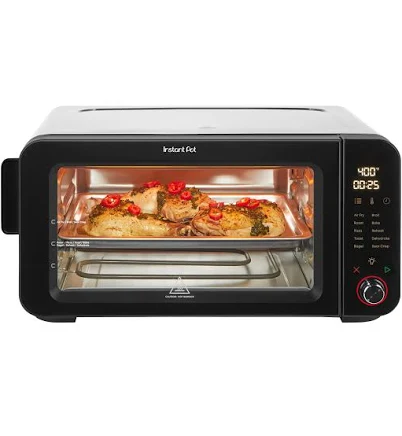
Instant Pot InstantHeat 6-Slice Air Fryer Toaster Oven
Skip until brand discloses nonstick coating chemistry.
This air fryer toaster oven uses unspecified nonstick coatings on internal heating surfaces. Instant Pot does not publicly disclose whether Teflon-type coating or PFAS-free alternatives are used.
The better-graded swap
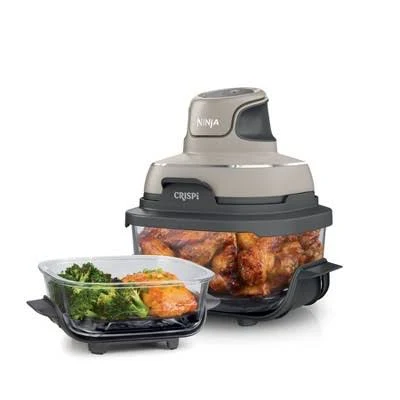
Ninja
Ninja Crispi 4-in-1 Portable Glass Air Fryer Cooking System
75/100 safety
Same rubric that flunked this product. The swap earned Excellent.
Still want this one anyway? Check the price on Amazon. We’d swap it.
Material
Nonstick-coated heating elements, unspecified polymer
Brand disclosure
Brand is silent on PFAS
Lab data
No public lab test
What Instant Pot InstantHeat 6-Slice Air Fryer is made of, ingredients and materials
This hybrid air fryer toaster oven uses nonstick-coated heating elements, but Instant Pot has not publicly disclosed the specific polymer chemistry or fluorocarbon class used. The nonstick coating on heating elements is critical because it operates at high temperatures (typically 200-450F for toasting and air frying), which raises thermal degradation risk if the polymer is not robustly formulated. Unspecified coatings create uncertainty about Teflon-type coating, PFA, Teflon-type coating alternatives, and thermal stability under sustained use.
What’s concerning
Category baseline
The starting point for this type of product, before anything specific to this product is counted.
No PFAS disclosure
No public statement from the brand about PFAS in this product.
Non-stick, chemistry undisclosed
Marketed as non-stick without stating the coating chemistry.
Teflon-type coating thermal degradation and fume risk
If the unspecified nonstick coating is Teflon-type coating or Teflon-type coating-based, heating elements at high toasting/air frying temperatures (350-450F regularly) create conditions for polymer off-gassing. No fume incidents have been reported for this specific model, but absence of polymer disclosure prevents definitive risk assessment.
Coating delamination and flaking
Nonstick coatings on heating elements experience mechanical and thermal cycling stress during repeated heating cycles. Flaking polymer particles could potentially contaminate food, though no recalls documenting this for Instant Pot air fryers are on record.
Unidentified polymer alternatives to Teflon-type coating
If Instant Pot uses next-generation PFAS alternatives (PFA, Teflon-type coating substitutes) on heating elements, long-term safety data for these chemistries under thermal stress is still limited. Silence on the specific polymer name prevents informed risk assessment.
Incomplete consumer access to chemical safety data
Instant Pot does not provide nonstick coating composition in product documentation or safety sheets available to consumers. This lack of transparency is a documented pattern across many Instant Pot appliance lines and complicates informed purchasing.
What’s reassuring
Aluminum leaching from housing or internal surfaces
If the interior chassis is aluminum, acidic or prolonged contact with food could leach aluminum, but Instant Pot has not disclosed housing material composition. No reported leaching incidents are on file for this model.
The full breakdown
The brand's record and disclosure
Instant Pot has not publicly committed to PFAS-free nonstick formulations or provided detailed material safety data for this product line. The brand has remained silent on nonstick polymer chemistry despite industry pressure toward fluorocarbon transparency. No independent recalls or safety notices specific to this model have been reported, but the absence of disclosure is itself a red flag for consumers seeking chemical transparency. Instant Pot's parent company (Instant Brands) has not positioned itself as a leader in phasing out PFAS in cookware.
How it compares in its category
Compared to conventional toaster ovens and air fryers, this model carries higher risk because the nonstick coating is applied to heating elements, which experience more direct and sustained heat exposure than typical cookware surfaces. Competing brands like Cosori and Ninja have begun disclosing nonstick-free or PFAS-free heating element designs. Traditional stainless steel or ceramic-coated air fryer models offer lower chemical risk, though they require more cleaning effort. Instant Pot's silence on coating chemistry places it below disclosure leaders in the category.
If you buy it
Avoid preheating at maximum temperature for extended periods, as this increases nonstick polymer thermal stress and potential fume risk. Never use temperatures above 500F, and ensure the kitchen is well-ventilated during use. Inspect the heating element coating regularly for visible wear, flaking, or discoloration; replace the unit if coating degradation is evident. Clean only with soft, non-abrasive materials to minimize coating wear. Contact Instant Pot directly to request nonstick polymer specifications before purchase if chemical transparency is a priority.
What we don’t know
- Basis
- Model estimate, 35% confidence, not a lab result
- Lab test
- None on record for this exact product
- Brand statement
- Instant Pot has made none
Formulations change between production runs, so check the current label. How we grade.
Better-graded alternatives in Air Fryers
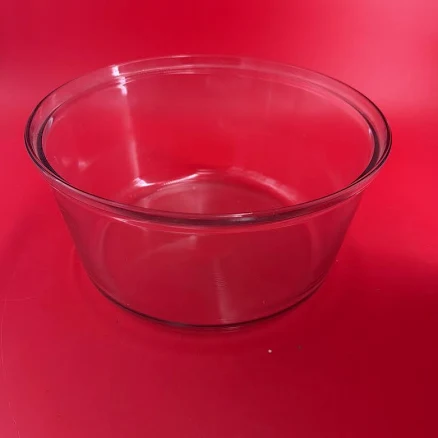
Big Boss
Oil Less Fryer Air Fryer 16 Quart Replacement Clear Glass
- borosilicate glass, bare uncoated
- We found no PFAS statement from the brand
- Thermal shock and fracture
2 hazards checked on this product. See all of them.
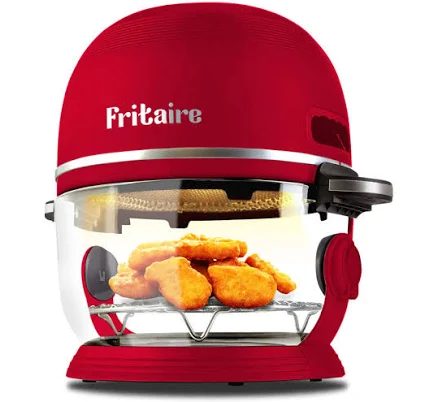
Fritaire
Glass Air Fryer Self-Cleaning & Non-Toxic
- borosilicate glass
- We found no PFAS statement from the brand
- Aluminum leaching from base/housing
4 hazards checked on this product. See all of them.
Find an alternative on Amazon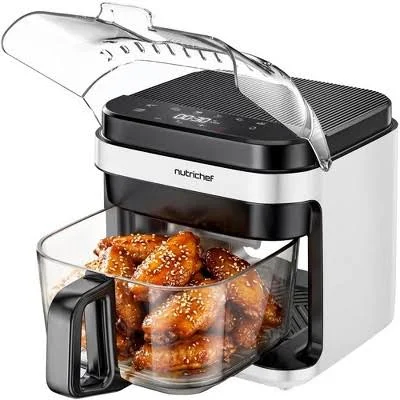
NutriChef
5.8 Qt Glass Air Fryer – 8-in-1 Digital Presets
- glass bowl, stainless steel exterior
- We found no PFAS statement from the brand
- Thermal stress and glass breakage
2 hazards checked on this product. See all of them.
Find an alternative on AmazonMore air fryers grades
How we score, every product runs through the same public 0-100 rubric based on materials, coatings, brand disclosure, lab findings, and recalls. See the full methodology → Spotted a mistake? Report an error.