Joybird · Upholstered Furniture
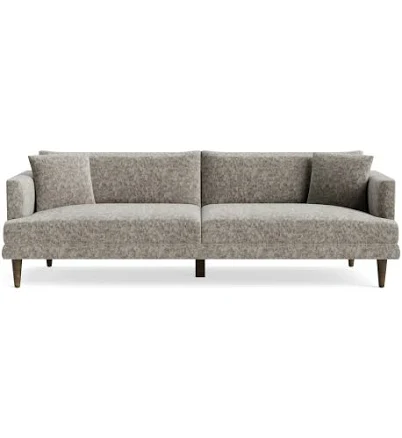
Lewis Grand Sofa
Joybird makes no PFAS claims; fabric source unclear.
Joybird offers no public PFAS or stain-resistance details for the Lewis Grand Sofa. Typical upholstered sofas may use water-repellent coating-treated fabrics containing PFAS, but no confirmation available for this model.
The better-graded swap

AllModern
AllModern Miller 84'' Upholstered Sofa Fabric
75/100 safety
Same rubric that flunked this product. The swap earned Excellent.
Still want this one anyway? Check the price on Amazon. We’d swap it.
Material
upholstered fabric, likely polyester blend
Brand disclosure
Brand is silent on PFAS
Lab data
No public lab test
You may also be interested in
Top-graded picks in the categories readers replace first, every one scored on the same rubric.

Aqua Pure
3M Aqua-Pure AP802B Whole House Filter Housing
- polypropylene filter housing, carbon/sediment cartridge
- We found no PFAS statement from the brand
- Bacterial growth in spent cartridges
3 hazards checked on this product. See all of them.

Aquasure
Premier Series 75 GPD Under Sink Reverse Osmosis Water Filtration System
- RO membrane, carbon filters, stainless steel housing
- We found no PFAS statement from the brand
- Bacterial and microbial growth in housing and filters
4 hazards checked on this product. See all of them.

Avocado
Vegan Mattress
- organic cotton, natural latex, coconut coir, recycled steel coils
- The brand calls it PFAS-free, which we have not verified
- Heavy metals
2 hazards checked on this product. See all of them.
What Lewis Grand Sofa is made of, ingredients and materials
The Lewis Grand Sofa is upholstered in a polyester-blend fabric, a material that typically contains added flame retardants to meet US furniture flammability standards (California TB 117). Polyester fibers themselves are synthetic and stable, but the dyes, finishing chemicals, and flame retardant additives applied during manufacturing are the primary chemical concern. Joybird does not publicly disclose the specific flame retardant chemistry or fabric supplier, leaving the exact composition opaque to consumers.
What’s concerning
Category baseline
The starting point for this type of product, before anything specific to this product is counted.
No PFAS disclosure
No public statement from the brand about PFAS in this product.
Flame retardants
Polyester upholstery on US-market furniture must pass TB 117; Joybird does not disclose whether brominated, chlorinated, or phosphorus-based retardants are used. Standard polyester blends typically contain additive flame retardants that can off-gas or migrate, particularly if fabric is heated or degraded.
Source, EPA ↗Volatile organic compounds (VOC) off-gassing
New upholstered furniture commonly emits VOCs during the first weeks post-delivery, including residual solvents from fabric finishing and adhesives used in cushion assembly. This is temporary but can trigger headaches or respiratory irritation in sensitive individuals; ventilation mitigates exposure.
Azo dyes in synthetic fabrics
Polyester blend fabrics are often dyed with azo dyes, which are standard in the industry. Certain banned azo dyes can break down into carcinogenic amines under friction, sweat, or heat; Joybird does not certify compliance with restricted azo standards, though most commercial dyes meet legal minimums.
Formaldehyde / VOCs
Foam cushions and fabric-to-frame glues may contain or release formaldehyde; Joybird does not certify low-formaldehyde construction. Off-gassing is most acute in the first month and is usually below acute health thresholds but warrants good ventilation.
Source, ATSDR ↗What’s reassuring
Base material not linked to PFAS
The main material recorded for this product is not one associated with PFAS.
Flame retardants
Antimony is sometimes used as a synergist with halogenated flame retardants in polyester textiles. Joybird's failure to specify the flame retardant system means antimony presence cannot be ruled out, though it is not universally used and poses minimal risk in a finished, non-ingested product.
Source, EPA ↗The full breakdown
The brand's record and disclosure
Joybird markets itself as a direct-to-consumer, customizable furniture brand but provides minimal transparency on material sourcing, chemical treatments, or third-party certifications. The brand makes no published commitments to PFAS avoidance or phase-out and does not mention flame retardant type on product pages or spec sheets. No major recalls or chemical controversies are publicly documented for Joybird furniture, but the lack of proactive disclosure is typical of mid-market online furniture brands.
How it compares in its category
Most upholstered sofas in the mass-market and direct-to-consumer segment rely on conventional brominated or chlorinated flame retardants or phosphorus-based alternatives; Joybird's silence on this choice is standard rather than exceptional. Competitors like Article and West Elm similarly withhold detailed flame retardant specs but some higher-end or eco-focused brands (e.g., Maiden Home, Ethan Allen certifications) offer more transparency. The Lewis Grand's price point and construction suggest cost-optimized fabric sourcing, not differentiated safety chemistry.
If you buy it
Ventilate the room well for the first 48-72 hours after delivery to reduce off-gassing of volatile organic compounds and residual manufacturing solvents. Avoid prolonged skin contact in warm conditions during break-in, especially for sensitive individuals. Use dry cleaning or professional textile cleaning for major stains rather than home treatments that may degrade the flame retardant layer. Replace or professionally refresh the upholstery after 7-10 years of regular use, as fabric degradation can increase particle shedding.
What we don’t know
- Basis
- Model estimate, 45% confidence, not a lab result
- Lab test
- None on record for this exact product
- Brand statement
- Joybird has made none
Formulations change between production runs, so check the current label. How we grade.
More upholstered furniture grades
How we score, every product runs through the same public 0-100 rubric based on materials, coatings, brand disclosure, lab findings, and recalls. See the full methodology → Spotted a mistake? Report an error.