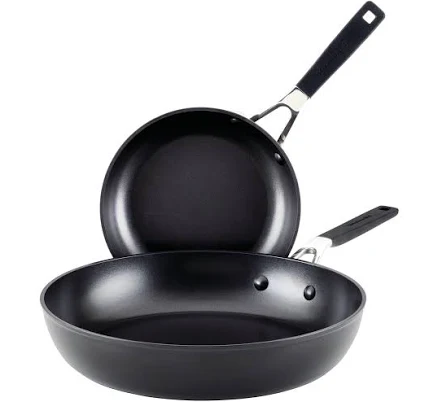
KitchenAid Hard Anodized 2pc Nonstick Frying Pan Set
Skip until manufacturer discloses nonstick coating type.
KitchenAid does not publicly specify the nonstick coating chemistry on this set. Hard anodized nonstick cookware often uses Teflon-type coating or other Teflon-family coating; without disclosure, PFAS risk cannot be ruled out.
The better-graded swap
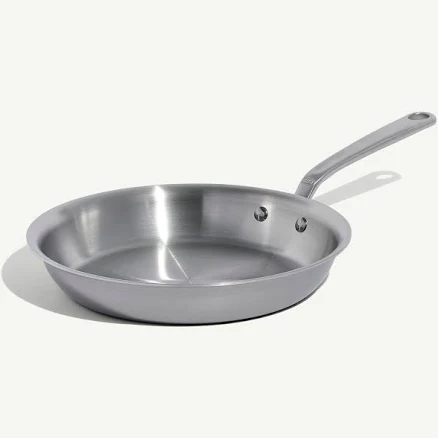
Made In
Made In Stainless Clad Fry Pan
100/100 safety
Same rubric that flunked this product. The swap earned Excellent.
Still want this one anyway? Check the price on Amazon. We’d swap it.
Material
Hard anodized aluminum with nonstick coating (type unspecified)
Lab data
No public lab test
Is KitchenAid Hard Anodized 2pc Nonstick non-toxic? What it is made of
This pan uses hard anodized aluminum as the base, a process that creates a durable oxidized layer harder than the underlying metal, reducing direct aluminum contact with food. The nonstick coating type is not specified by KitchenAid in publicly available product documentation. Hard anodization itself is stable, but the nonstick layer's composition and thermal stability determine whether fluorinated chemicals (PFAS) or lower-concern alternatives are present. Without manufacturer disclosure, the coating identity and degradation behavior remain unknown.
What’s concerning
Category baseline
The starting point for this type of product, before anything specific to this product is counted.
No PFAS disclosure
No public statement from the brand about PFAS in this product.
Non-stick, chemistry undisclosed
Marketed as non-stick without stating the coating chemistry.
Nonstick coating degradation and fume inhalation
Hard anodized pans with unidentified nonstick coatings may release toxic fumes if overheated or if the coating contains fluorinated compounds (PFAS). Degradation accelerates with thermal stress, scratching, or use with metal utensils.
Aluminum leaching
Although hard anodization creates a protective barrier, breaches in the anodized layer from scratching or acidic foods can allow aluminum migration into food. Risk is elevated if the nonstick coating is damaged or thin.
Nonstick coating durability and replacement triggers
Hard anodized nonstick cookware typically shows visible coating wear (flaking, peeling, dull spots) within 2-5 years of regular use. No public data on KitchenAid's specific product longevity, but user reviews indicate accelerated wear with frequent high-heat cooking or dishwasher use despite hand-wash recommendations.
Absence of safety certifications
KitchenAid's hard anodized line lacks third-party certifications (e.g., GREENGUARD, NSF, PFOA-free labels) common among competitors. This lack of verification increases buyer reliance on unverified manufacturer claims.
What’s reassuring
Heavy metals
No recalls or test results documenting lead, cadmium, or other heavy metals in KitchenAid hard anodized nonstick coatings are on public record. However, coating composition is undisclosed, preventing independent verification.
Source, FDA ↗The full breakdown
The brand's record and disclosure
KitchenAid does not publicly disclose nonstick coating chemistry or provide PFAS-free certifications for this product line. The brand has not published transparency statements about PFOA phase-out timelines or alternative chemistries used. No recalls or regulatory actions against KitchenAid hard anodized cookware are on public record, but the absence of disclosure limits independent safety assessment. Buyers must request detailed coating information directly from the manufacturer.
How it compares in its category
Hard anodized aluminum pans are mid-tier in the cookware market, positioned between cheaper non-stick and premium ceramic or stainless steel options. Many competing brands (including some KitchenAid lines) now specify Teflon-type coating-free or ceramic nonstick coatings; KitchenAid's silence here is a relative disadvantage. Hard anodization itself is more durable than traditional aluminum, reducing replacement frequency, but this benefit is offset by uncertainty over the nonstick layer's chemistry and lifespan.
If you buy it
Do not use above medium heat; high heat accelerates nonstick coating degradation and increases risk of fume release if PFAS coatings are present. Hand wash only to preserve the anodized layer and nonstick surface. Inspect regularly for scratches, peeling, or discoloration; discard if coating visibly degrades. Before purchase, contact KitchenAid customer service and request written confirmation of the nonstick coating type and PFAS status. Replace within 3-5 years if heavy use causes coating wear.
What we don’t know
- Basis
- Model estimate, 35% confidence, not a lab result
- Lab test
- None on record for this exact product
- Brand statement
- Kitchenaid has made a specific claim
Formulations change between production runs, so check the current label. How we grade.
Better-graded alternatives in Cookware
Made In
Stainless Clad Fry Pan
- Stainless steel clad construction, no nonstick coating
- The brand calls it PFAS-free, which we have not verified
- Clad separation or delamination over time
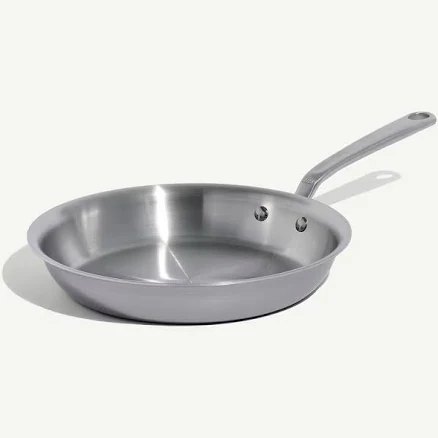
Made In
10' Stainless Clad Frying Pan
- stainless steel clad construction, no nonstick coating
- The brand calls it PFAS-free, which we have not verified
- Nickel leaching from stainless steel
3 hazards checked on this product. See all of them.
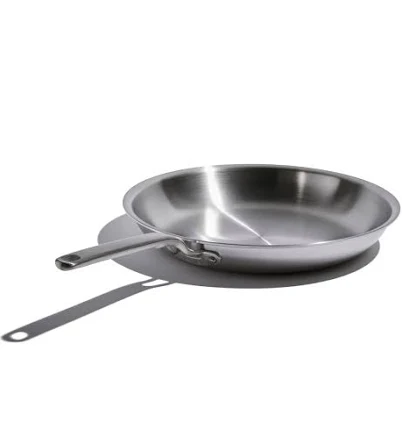
Heritage Steel
Eater Fry Pan
- Clad stainless steel, no coating
- The brand calls it PFAS-free, which we have not verified
- Metal ion release during cooking (iron, nickel, chromium)
More cookware grades
How we score, every product runs through the same public 0-100 rubric based on materials, coatings, brand disclosure, lab findings, and recalls. See the full methodology → Spotted a mistake? Report an error.