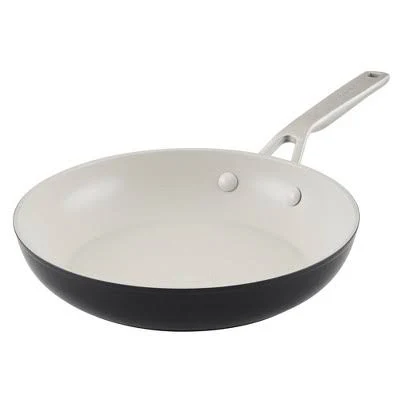
KitchenAid Hard Anodized Ceramic Nonstick Frying Pan
Ceramic nonstick is lower concern, but coating details lack transparency.
KitchenAid markets this as ceramic nonstick over hard anodized aluminum. The brand does not disclose PFAS status or provide third-party testing, creating uncertainty about the nonstick layer formulation.
The better-graded swap
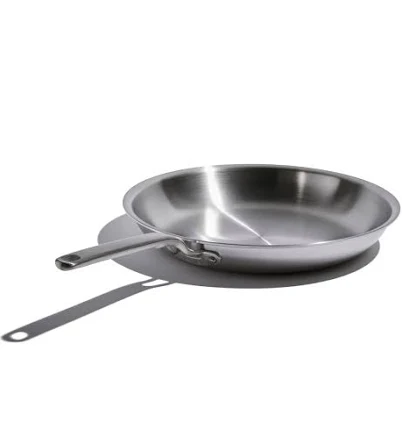
Heritage Steel
Heritage Steel Eater Fry Pan
100/100 safety
Same rubric that flunked this product. The swap earned Excellent.
Still want this one anyway? Check the price on Amazon. We’d swap it.
Material
Hard anodized aluminum with ceramic nonstick coating
Lab data
No public lab test
Is KitchenAid Hard Anodized Ceramic Nonstick non-toxic? What it is made of
The pan uses hard anodized aluminum as its base, a process that creates a protective oxide layer that makes aluminum more corrosion-resistant and durable than raw aluminum. Over this sits a ceramic nonstick coating, which is typically composed of silica-based compounds rather than Teflon-family coating like Teflon-type coating. Hard anodization itself is considered a stable, non-toxic process when properly executed. The ceramic coating reduces direct contact between food and the aluminum substrate, which is the primary mechanism preventing aluminum leaching.
What’s concerning
Category baseline
The starting point for this type of product, before anything specific to this product is counted.
No PFAS disclosure
No public statement from the brand about PFAS in this product.
Non-stick, chemistry undisclosed
Marketed as non-stick without stating the coating chemistry.
Aluminum leaching
Hard anodized layer reduces but does not eliminate aluminum leaching, especially if the ceramic coating chips or flakes. Acidic foods (tomato, citrus, vinegar) can accelerate leaching through a compromised coating. The risk is significantly lower than raw or soft-anodized aluminum, but damage inspection is critical.
Ceramic coating degradation and microparticle release
Ceramic nonstick coatings are known to degrade with use, particularly under high heat or metal utensil contact. No peer-reviewed data confirms toxic effects of ingested ceramic particles from cookware, but coating flaking is cosmetically and functionally problematic. Rapid degradation would require replacement within 1-3 years depending on use intensity.
Thermal shock and coating separation
Rapid temperature changes (e.g., cold water on hot pan) can cause ceramic coatings to separate from the aluminum base. This is a durability issue more than a direct toxicity risk, but separation can trap moisture and accelerate corrosion underneath, potentially increasing aluminum contact.
What’s reassuring
Teflon-type coating fume risk
Ceramic nonstick formulations do not contain Teflon-type coating and therefore carry no risk of thermal degradation fumes or polymer fume fever at typical cooking temperatures. This is a primary advantage over traditional nonstick cookware.
Lead
No recalls or public reports document lead or cadmium contamination in KitchenAid ceramic cookware. Modern ceramic nonstick coatings, when manufactured to standard practice, do not intentionally use these metals, but composition specificity from KitchenAid would strengthen confidence.
Source, ATSDR ↗The full breakdown
The brand's record and disclosure
KitchenAid has not publicly disclosed detailed composition or manufacturing certifications for this specific ceramic nonstick line. The brand does not advertise PFAS-free status or provide third-party verification of ceramic coating materials. KitchenAid's parent company Whirlpool has faced no major cookware-specific safety recalls in recent years, but the lack of transparency about ceramic formula and coating durability specifications is a notable gap. No independent test results comparing this product to competitors are widely documented.
How it compares in its category
Ceramic nonstick cookware sits between traditional Teflon-type coating nonstick (higher fume risk at high heat) and uncoated cast iron or stainless steel (no nonstick, more oil needed). KitchenAid's hard anodized base is more durable than soft anodized alternatives and performs similarly to competitors like Caraway or GreenPan in terms of materials. However, many ceramic nonstick brands provide clearer heat limits and warranty terms; KitchenAid's guidance on maximum safe temperature is less prominently stated than some rivals.
If you buy it
Keep temperatures at or below 350°F (medium-high heat max); ceramic coatings degrade rapidly above 400°F and may release airborne particles. Use silicone, wood, or plastic utensils only; metal utensils will scratch the coating and expose aluminum. Hand-wash rather than dishwasher to extend coating life; thermal shock and abrasive detergent are primary coating degradation drivers. Inspect the pan quarterly for chips, flaking, or discoloration of the coating. Replace if coating appears compromised, as this allows aluminum contact with food.
What we don’t know
- Basis
- Model estimate, 60% confidence, not a lab result
- Lab test
- None on record for this exact product
- Brand statement
- Kitchenaid has made a specific claim
Formulations change between production runs, so check the current label. How we grade.
Better-graded alternatives in Cookware
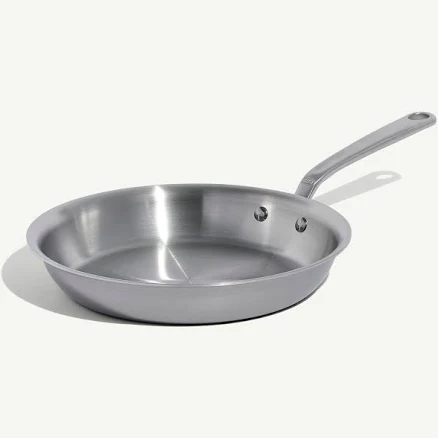
Made In
Stainless Clad Fry Pan
- Stainless steel clad construction, no nonstick coating
- The brand calls it PFAS-free, which we have not verified
- Clad separation or delamination over time
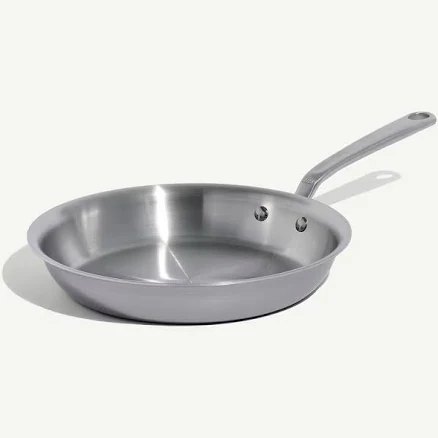
Made In
10' Stainless Clad Frying Pan
- stainless steel clad construction, no nonstick coating
- The brand calls it PFAS-free, which we have not verified
- Nickel leaching from stainless steel
3 hazards checked on this product. See all of them.
Heritage Steel
Eater Fry Pan
- Clad stainless steel, no coating
- The brand calls it PFAS-free, which we have not verified
- Metal ion release during cooking (iron, nickel, chromium)
More cookware grades
How we score, every product runs through the same public 0-100 rubric based on materials, coatings, brand disclosure, lab findings, and recalls. See the full methodology → Spotted a mistake? Report an error.