Klaussner · Upholstered Furniture
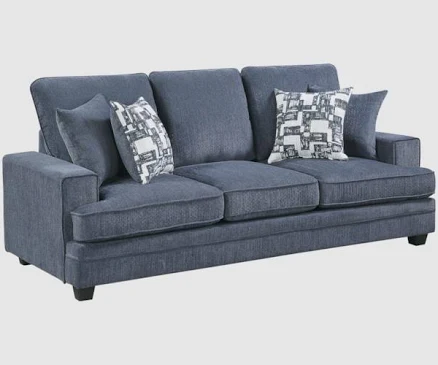
Sofa - Klaussner Blue Chenille Upholstered 90" Sofa 90"W x 39"D x 39"H at Living Spaces
Chenille fabric likely lower concern; no PFAS disclosure available.
Klaussner provides no PFAS information for this chenille sofa. Chenille upholstery textiles typically pose lower PFAS risk than treated performance fabrics, but stain treatments remain unknown without brand disclosure.
We flunk more products than we pass. This one earned its grade. How we grade
Material
Chenille upholstery fabric
Brand disclosure
Brand is silent on PFAS
Lab data
No public lab test
You may also be interested in
Top-graded picks in the categories readers replace first, every one scored on the same rubric.

Aqua Pure
3M Aqua-Pure AP802B Whole House Filter Housing
- polypropylene filter housing, carbon/sediment cartridge
- We found no PFAS statement from the brand
- Bacterial growth in spent cartridges
3 hazards checked on this product. See all of them.

Aquasure
Premier Series 75 GPD Under Sink Reverse Osmosis Water Filtration System
- RO membrane, carbon filters, stainless steel housing
- We found no PFAS statement from the brand
- Bacterial and microbial growth in housing and filters
4 hazards checked on this product. See all of them.

Avocado
Vegan Mattress
- organic cotton, natural latex, coconut coir, recycled steel coils
- The brand calls it PFAS-free, which we have not verified
- Heavy metals
2 hazards checked on this product. See all of them.
What Sofa - Klaussner Blue Chenille is made of, ingredients and materials
Chenille is a plied yarn (usually polyester, acrylic, or cotton blend) with a fuzzy core wrapped in finer fibers, creating its characteristic soft texture. Chenille fabrics for upholstery are typically treated with finishing resins for wrinkle resistance and often flame retardant chemistry to meet furniture fire codes. These treatments can off-gas volatile organic compounds (VOCs) and formaldehyde, especially in the first weeks after delivery. The yarn construction itself does not inherently release toxins, but the chemical finishes applied during manufacturing are the primary concern.
What’s concerning
Category baseline
The starting point for this type of product, before anything specific to this product is counted.
No PFAS disclosure
No public statement from the brand about PFAS in this product.
Flame retardants
Chenille upholstered sofas sold in the US must meet federal flammability standards (16 CFR 1633 or 1634). Klaussner does not disclose which flame retardant chemistry is used. Some formulations contain brominated compounds or legacy phosphate esters; no public testing data on this specific model is available.
Source, EPA ↗Formaldehyde / VOCs
Chenille yarns and backing are often treated with formaldehyde-releasing resins for wrinkle resistance and color setting. No third-party certification or formaldehyde limit statement is published for this product. Off-gassing is typically highest in the first weeks and decreases over time with ventilation.
Source, ATSDR ↗Volatile organic compounds (VOCs) from fabric finishes
Dyes, sizing agents, and water repellent treatments on chenille upholstery release VOCs during and after manufacturing. Klaussner does not publish off-gassing test results (TVOC or formaldehyde levels in ppm). Magnitude depends on dye lot and finish batch; ventilation is the primary control.
Heavy metals
Blue chenille fabrics may be dyed with azo dyes or other synthetic colorants containing trace metals (cadmium, lead, chromium). Skin contact risk is low under normal use; direct ingestion by children or pets (e.g., chewing fabric) poses higher concern. No Oeko-Tex or dye certification is stated for this product.
Source, FDA ↗Fiber shedding and dust accumulation
Chenille yarns are prone to surface fiber loss, especially in high-traffic areas. Shed fibers collect dust mites, dead skin cells, and accumulated off-gassing compounds. Regular vacuuming reduces this; regular washing or steam cleaning is not recommended for chenille due to pile disruption risk.
What’s reassuring
Base material not linked to PFAS
The main material recorded for this product is not one associated with PFAS.
The full breakdown
The brand's record and disclosure
Klaussner is a long-established US upholstery manufacturer with no publicly documented major recalls or safety controversies on record. However, the brand does not publish detailed material safety data sheets, flame retardant formulations, or third-party certifications (such as CertiPUR-US or Oeko-Tex) on their product pages. No statement on formaldehyde limits or chemical treatments is available. This silence on ingredient disclosure is typical of mass-market furniture but limits independent verification of finish chemistry.
How it compares in its category
Standard upholstered sofas face similar flame retardant and VOC off-gassing risks regardless of brand; chenille is not inherently higher or lower concern than microfiber, linen, or polyester blends. Higher-end furniture lines often carry Oeko-Tex or similar certifications limiting formaldehyde and heavy metals. Klaussner's mid-market positioning means fewer third-party certifications than premium competitors, but also lower price reflects less specialized material sourcing. The real differentiator is ventilation and off-gassing time, not the brand itself.
If you buy it
Ventilate the room well for the first 2-4 weeks; off-gassing is normal and typically decreases over time. Vacuum and spot-clean with mild soap and water; avoid dry cleaning solvents that may damage finishes or reactivate off-gassing. Check seams and piping annually for fraying or fiber breakdown; this can expose interior batting and increase dust. Do not place near heat sources or direct sunlight for extended periods, as this can accelerate fabric degradation and chemical release.
What we don’t know
- Basis
- Model estimate, 55% confidence, not a lab result
- Lab test
- None on record for this exact product
- Brand statement
- Klaussner has made none
Formulations change between production runs, so check the current label. How we grade.
More upholstered furniture grades
How we score, every product runs through the same public 0-100 rubric based on materials, coatings, brand disclosure, lab findings, and recalls. See the full methodology → Spotted a mistake? Report an error.