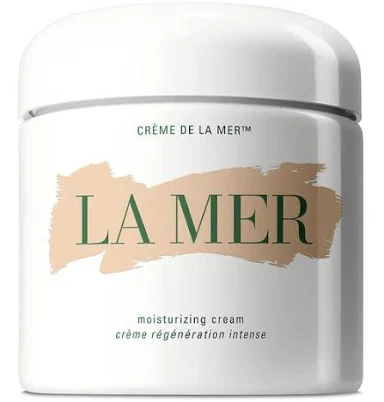
LA MER Moisturizing Cream
Lower PFAS concern; no water-repellent coating or water-resistant treatment typical of cream formulas.
La Mer Moisturizing Cream is a traditional emollient moisturizer with no known Teflon-family coating coatings, nonstick treatments, or water-resistant finishes that would introduce PFAS. The brand makes no PFAS claims.
We flunk more products than we pass. This one earned its grade. How we grade
Material
Water, mineral oil, petrolatum, glycerin, wax, typical emollient cream base
Brand disclosure
Brand is silent on PFAS
Lab data
No public lab test
You may also be interested in
Top-graded picks in the categories readers replace first, every one scored on the same rubric.

- polypropylene filter housing, carbon/sediment cartridge
- We found no PFAS statement from the brand
- Bacterial growth in spent cartridges
3 hazards checked on this product, all on its full breakdown.

Aquasure
Premier Series 75 GPD Under Sink Reverse Osmosis Water Filtration System
- RO membrane, carbon filters, stainless steel housing
- We found no PFAS statement from the brand
- Bacterial and microbial growth in housing and filters
4 hazards checked on this product, all on its full breakdown.

Avocado
Vegan Mattress
- organic cotton, natural latex, coconut coir, recycled steel coils
- The brand calls it PFAS-free, which we have not verified
- Heavy metals
2 hazards checked on this product, all on its full breakdown.
What LA MER Moisturizing Cream is made of, ingredients and materials
LA MER Moisturizing Cream is a water-in-oil emulsion built on mineral oil, petrolatum, glycerin, and waxes. These are occlusive, inert ingredients with low systemic absorption through skin. The formula contains no known synthetic dyes, azo compounds, or heavy metal pigments typical of color cosmetics. Mineral oil and petrolatum are non-volatile, non-irritant petroleum derivatives approved globally for leave-on skin contact.
What’s concerning
Category baseline
The starting point for this type of product, before anything specific to this product is counted.
No PFAS disclosure
No public statement from the brand about PFAS in this product.
1,4-dioxane (ethoxylated surfactant contamination)
If the formula contains ethoxylated emulsifiers or surfactants not disclosed on the label, trace 1,4-dioxane contamination is theoretically possible during manufacturing. La Mer does not publicly commit to dioxane-free processes or testing, making assessment of residual contamination dependent on third-party testing not available in public records.
What’s reassuring
Base material not linked to PFAS
The main material recorded for this product is not one associated with PFAS.
Fragrance allergens
No fragrance ingredient list is disclosed by La Mer for this product; absence of fragrance allergen warnings or reported contact dermatitis incidents suggests either minimal fragrance content or use of non-allergenic compounds. Without full disclosure, residual allergen risk cannot be ruled out for sensitive individuals.
Formaldehyde / VOCs
No formaldehyde-releasing preservatives (imidazolidinyl urea, dmdm hydantoin, dioxolane) are publicly listed in disclosed ingredients for this simple cream formula. The mineral oil and petrolatum base requires minimal preservative load, reducing likelihood of formaldehyde releasers.
Source, ATSDR ↗Talc contamination and asbestos risk
No talc is listed in the publicly available ingredient information for LA MER Moisturizing Cream. The formula does not rely on talc as a functional ingredient, so contamination risk is not applicable to this product.
Heavy metals
This cream is uncolored or off-white and contains no added pigments, dyes, or colorants. No lead, cadmium, chromium, or other heavy metals are reported in the ingredient base of mineral oil, petrolatum, glycerin, or waxes.
Source, FDA ↗How is this PFAS grade calculated?
The brand's record and disclosure
La Mer (Estée Lauder Companies) does not publicly disclose full ingredient safety testing or third-party certifications for this product. The brand maintains no formal stance on fragrance allergen labeling, formaldehyde releasers, or talc avoidance, though no talc contamination has been reported in this cream line. No product recalls or safety controversies are on record for this specific moisturizer.
How it compares in its category
Luxury moisturizing creams at this price point typically rely on similar occlusive bases (mineral oil, petrolatum) without fragrance allergen or heavy metal concerns. LA MER's formulation is conventional for premium creams; it does not contain botanical extracts or preservative systems known to generate formaldehyde or 1,4-dioxane. The category as a whole shows low hazard compared to pigmented or fragranced cosmetics.
If you buy it
Store the jar in a cool, dry place away from direct heat or sunlight to prevent rancidity of mineral oil, though the product is shelf-stable. Use a clean applicator or fingertip to scoop product and minimize bacterial contamination. No special disposal precautions are required; the cream is non-flammable and water-dispersible. Replace if odor changes, separation occurs, or the product shows visible discoloration.
What is not known about PFAS in this product?
- Basis
- Model estimate, 72% confidence, not a lab result
- Lab test
- None on record for this exact product
- Brand statement
- La Mer has made none
Formulations change between production runs, so check the current label. How we grade.
What are the PFAS-free alternatives to LA MER Moisturizing Cream?
- Plant oils, butters, waxes
- We found no PFAS statement from the brand
- Fragrance allergens
2 hazards checked on this product, all on its full breakdown.
- Water, oils, glycerin, botanical extracts
- The brand calls it PFAS-free, which we have not verified
- Fragrance allergens (botanical extracts)
3 hazards checked on this product, all on its full breakdown.
- Water-based serum, niacinamide and zinc actives in glycerin base
- We found no PFAS statement from the brand
- 1,4-dioxane as a manufacturing byproduct
2 hazards checked on this product, all on its full breakdown.
More moisturizer grades
How we score, every product runs through the same public 0-100 rubric based on materials, coatings, brand disclosure, lab findings, and recalls. See the full methodology → Spotted a mistake? Report an error.