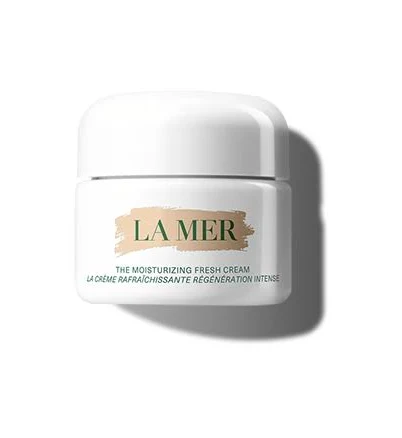
La Mer The Moisturizing Fresh Cream
Lower-concern cosmetic; no waterproofing chemistry typical of PFAS-prone products.
La Mer The Moisturizing Fresh Cream is a luxury moisturizer based on seaweed extract and mineral oil, categories with minimal PFAS risk since they lack water-resistant, nonstick, or stain-repellent coatings. La Mer makes no PFAS claims and publishes no third-party testing.
We flunk more products than we pass. This one earned its grade. How we grade
Material
water-in-oil emulsion with natural mineral-derived actives (seaweed, kelp ferment)
Brand disclosure
Brand is silent on PFAS
Lab data
No public lab test
You may also be interested in
Top-graded picks in the categories readers replace first, every one scored on the same rubric.

- polypropylene filter housing, carbon/sediment cartridge
- We found no PFAS statement from the brand
- Bacterial growth in spent cartridges
3 hazards checked on this product, all on its full breakdown.

Aquasure
Premier Series 75 GPD Under Sink Reverse Osmosis Water Filtration System
- RO membrane, carbon filters, stainless steel housing
- We found no PFAS statement from the brand
- Bacterial and microbial growth in housing and filters
4 hazards checked on this product, all on its full breakdown.

Avocado
Vegan Mattress
- organic cotton, natural latex, coconut coir, recycled steel coils
- The brand calls it PFAS-free, which we have not verified
- Heavy metals
2 hazards checked on this product, all on its full breakdown.
What La Mer The Moisturizing Fresh Cream is made of, ingredients and materials
La Mer Fresh Cream is a water-in-oil emulsion centered on the brand's proprietary Miracle Broth (fermented kelp and seaweed extract) combined with mineral salts and glycerin. The formulation is designed to trap water in the skin without volatile silicones or synthetic polymers, relying instead on natural occlusive waxes and oils. This chemistry avoids the plasticizer and volatile organic compound (VOC) offgassing common in heavy silicone-based moisturizers, though the mineral-salt base introduces trace heavy-metal contamination risk that is typical of seaweed-derived actives.
What’s concerning
Category baseline
The starting point for this type of product, before anything specific to this product is counted.
No PFAS disclosure
No public statement from the brand about PFAS in this product.
Heavy metals
Kelp and seaweed extracts naturally bioaccumulate cadmium, lead, and arsenic from marine environments. La Mer does not publish heavy-metal testing data for Miracle Broth; trace contamination is consistent with industry norms but unquantified for this specific product.
Source, FDA ↗Fragrance allergens
The product contains mixed fragrance compounds not fully disclosed on label (listed as 'fragrance'). Limonene and linalool (common in botanical moisturizers) are frequent contact sensitizers; documented in cosmetic dermatology literature as triggers for irritant contact dermatitis in sensitive individuals.
1,4-dioxane (manufacturing byproduct)
Emulsifiers and surfactants used in water-in-oil creams can harbor trace 1,4-dioxane as a processing contaminant, though unregulated by FDA and typically present below 10 ppb in finished cosmetics. La Mer does not publish 1,4-dioxane testing; risk level consistent with mainstream moisturizers in this class.
What’s reassuring
Base material not linked to PFAS
The main material recorded for this product is not one associated with PFAS.
Formaldehyde / VOCs
Current formulation does not list phenoxyethanol, imidazolidinyl urea, or other formaldehyde-releasing preservatives on publicly available ingredient decks. No regulatory or third-party reports of formaldehyde release detected in this product line.
Source, ATSDR ↗Talc or talc-like mineral contamination
No talc listed on label and no published contamination reports. The mineral-salt base uses magnesium sulfate and sodium chloride rather than talc, avoiding asbestos-related risks associated with some mineral powders.
How is this PFAS grade calculated?
The brand's record and disclosure
La Mer (Estee Lauder subsidiary) maintains no published PFAS disclosure policy and has not submitted to third-party cosmetic safety audits (e.g., EWG certification). The brand does not list formaldehyde releasers or talc on current ingredient labels, and no regulatory recalls or legal actions specific to this product line are documented in public records. Transparency on heavy-metal testing of seaweed extracts and supplier vetting remains opaque, typical of premium skincare brands in this price tier.
How it compares in its category
Among luxury moisturizers, La Mer Fresh Cream avoids silicone-heavy formulas that carry higher VOC and microplastic shedding risk during removal. Its mineral-actives approach differs from hyaluronic-acid-dominant competitors but introduces heavier-metal bioaccumulation risk inherent to kelp sourcing. Price and brand cachet are not correlated with chemical safety; competitors like CeraVe or Cetaphil offer formaldehyde-free, talc-free alternatives at lower cost with equivalent non-irritant profiles, though without the seaweed-ferment claim.
If you buy it
Store in cool, dry conditions away from direct sunlight to prevent lipid oxidation and rancidity, which accelerates irritant byproduct formation. Apply to damp skin to maximize water retention; overuse in hot or humid climates may clog pores rather than hydrate. Discontinue use if signs of contact dermatitis appear (redness, itching) and patch-test on inner forearm first, as fermented botanical extracts trigger sensitivity in 5-10% of users. Replace if separation (oil-water split) or discoloration occurs, typically after 12-18 months.
What is not known about PFAS in this product?
- Basis
- Model estimate, 72% confidence, not a lab result
- Lab test
- None on record for this exact product
- Brand statement
- La Mer has made none
Formulations change between production runs, so check the current label. How we grade.
What are the PFAS-free alternatives to La Mer The Moisturizing Fresh Cream?
- Plant oils, butters, waxes
- We found no PFAS statement from the brand
- Fragrance allergens
2 hazards checked on this product, all on its full breakdown.
- Water, oils, glycerin, botanical extracts
- The brand calls it PFAS-free, which we have not verified
- Fragrance allergens (botanical extracts)
3 hazards checked on this product, all on its full breakdown.
- Water-based serum, niacinamide and zinc actives in glycerin base
- We found no PFAS statement from the brand
- 1,4-dioxane as a manufacturing byproduct
2 hazards checked on this product, all on its full breakdown.
More moisturizer grades
How we score, every product runs through the same public 0-100 rubric based on materials, coatings, brand disclosure, lab findings, and recalls. See the full methodology → Spotted a mistake? Report an error.