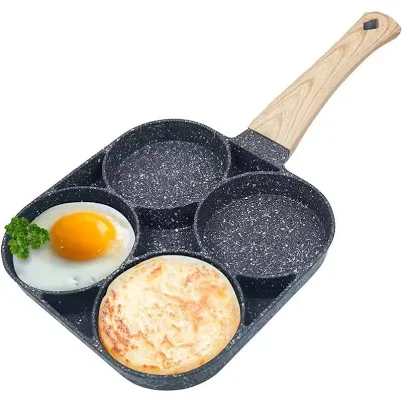
Lmetjma Egg Frying Pan Nonstick Pancake Pans 4-cups Cookware Pancake
Wait for the manufacturer to reveal coating details before buying.
This Lmetjma egg pan has a nonstick coating with no brand information about what it contains or whether it has PFAS. You don't know what material protects the cooking surface.
The better-graded swap
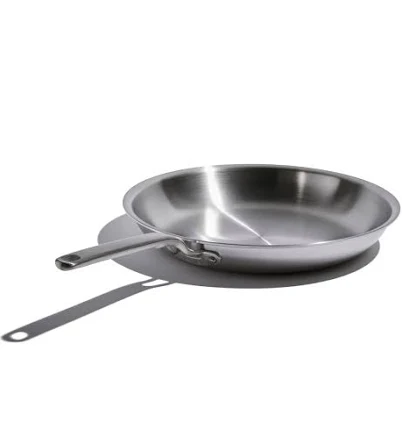
Heritage Steel
Heritage Steel Eater Fry Pan
100/100 safety
Same rubric that flunked this product. The swap earned Excellent.
Still want this one anyway? Check the price on Amazon. We’d swap it.
Material
nonstick coating, composition unspecified
Brand disclosure
Brand is silent on PFAS
Lab data
No public lab test
Is Lmetjma Egg Frying Pan Nonstick Pancake non-toxic? What it is made of
This pan uses a nonstick coating of unspecified chemistry. Lutema does not publicly disclose whether the coating is Teflon-type coating-based (traditional Teflon-type) or ceramic/alternative. The substrate appears to be aluminum. Without confirmation of coating type, you cannot assess PFAS risk or thermal degradation behavior. Nonstick coatings degrade over time with use and heating, so composition directly affects safety lifespan.
What’s concerning
Category baseline
The starting point for this type of product, before anything specific to this product is counted.
No PFAS disclosure
No public statement from the brand about PFAS in this product.
Non-stick, chemistry undisclosed
Marketed as non-stick without stating the coating chemistry.
Teflon-type coating fume inhalation risk
If the coating is Teflon-type coating-based and overheated (above 350C), thermal decomposition releases fumes that can cause polymer fume fever in humans and harm pet birds. Coating type is not disclosed by Lutema, so risk cannot be ruled out. Ventilation and adherence to temperature limits reduce this risk substantially.
Aluminum leaching from substrate
The pan substrate is aluminum; acidic foods (tomatoes, citrus, vinegar) can corrode the surface and leach aluminum into food. This risk exists for most aluminum nonstick pans. Using the pan for neutral or basic foods, and ensuring the nonstick coating remains intact, minimizes leaching.
Coating degradation and microflake ingestion
Nonstick coatings degrade with repeated heating and mechanical wear. Flaking or peeling coating fragments may enter food. Low-cost brands with thinner coatings are more prone to rapid degradation. Regular inspection and replacement every 3-5 years of heavy use is prudent.
Lack of thermal stability labeling
Lutema does not prominently disclose maximum safe temperature limits on packaging or product pages. This omission forces users to guess or assume standard limits. Unknown coating composition means safe thermal ceiling is unknowable without brand contact.
What’s reassuring
Lead
If this pan uses ceramic nonstick (marketed as 'ceramic' or 'toxin-free'), glazes may contain heavy metals, though ceramic nonstick is generally considered lower-risk than Teflon-type coating. No recalls or safety warnings are documented for this product specifically. Ceramic coatings are less durable than Teflon-type coating but do not carry Teflon-type coating fume risk.
Source, ATSDR ↗The full breakdown
The brand's record and disclosure
Lutema maintains minimal online transparency regarding material composition, manufacturing certifications, or chemical safety policies. No public commitments to PFAS testing or third-party safety verification are documented. The brand does not appear in major retailer certifications (e.g., Prop 65 notices, CPSiA disclosures) as of available records, but absence of records does not equal absence of hazard. Contacting the brand directly for coating specifications before purchase is recommended.
How it compares in its category
Nonstick egg pans with unconfirmed coating chemistry occupy a middle tier of risk. Transparent brands (e.g., GreenPan, Caraway, Our Place) publicly certify Teflon-type coating-free or low-PFAS coatings. Traditional established brands (T-fal, Calphalon) disclose Teflon-type coating use and thermal safety limits. Lutema's silence puts it in a gray zone, cheaper than certified alternatives, but without reassurance. Budget cookware with undisclosed coatings is common but requires cautious use.
If you buy it
Do not exceed medium heat; nonstick coatings begin degrading above 350-400C (662-752F). Hand wash only to preserve the coating. Replace immediately if coating flakes, scratches, or shows wear. Use only silicone or wooden utensils. Request coating specifications from the seller or manufacturer before purchase. If the coating delaminates or you detect chemical odors during use, discontinue use and do not heat further.
What we don’t know
- Basis
- Model estimate, 35% confidence, not a lab result
- Lab test
- None on record for this exact product
- Brand statement
- LMETJMA has made none
Formulations change between production runs, so check the current label. How we grade.
Better-graded alternatives in Cookware
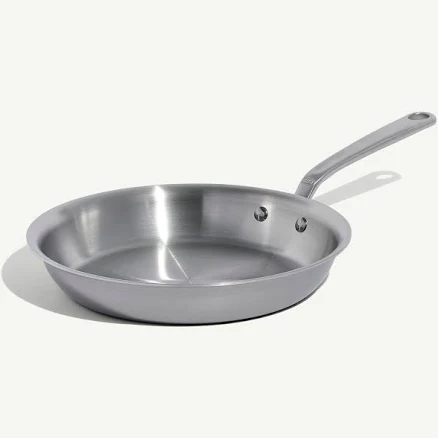
Made In
Stainless Clad Fry Pan
- Stainless steel clad construction, no nonstick coating
- The brand calls it PFAS-free, which we have not verified
- Clad separation or delamination over time
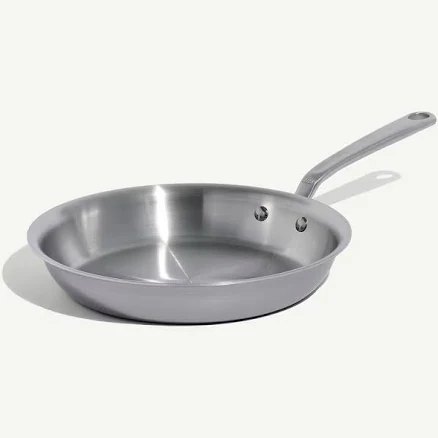
Made In
10' Stainless Clad Frying Pan
- stainless steel clad construction, no nonstick coating
- The brand calls it PFAS-free, which we have not verified
- Nickel leaching from stainless steel
3 hazards checked on this product. See all of them.
Heritage Steel
Eater Fry Pan
- Clad stainless steel, no coating
- The brand calls it PFAS-free, which we have not verified
- Metal ion release during cooking (iron, nickel, chromium)
More cookware grades
How we score, every product runs through the same public 0-100 rubric based on materials, coatings, brand disclosure, lab findings, and recalls. See the full methodology → Spotted a mistake? Report an error.