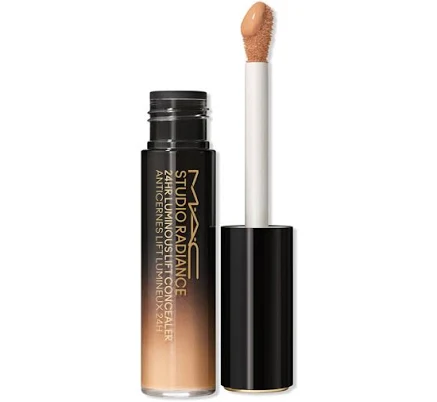
MAC Studio Radiance 24HR Luminous Lift Concealer
Waterproof cosmetics warrant caution; MAC makes no public PFAS disclosure.
MAC's 24-hour waterproof concealer likely uses polymers and water-resistance agents that may include PFAS. MAC does not publicly disclose PFAS status or provide third-party verification.
The better-graded swap
Ilia Beauty
True Skin Serum Concealer with Vitamin C
85/100 safety
Same rubric that flunked this product. The swap earned Excellent.
Still want this one anyway? Check the price on Amazon. We’d swap it.
Material
liquid concealer with silicones and polymers; formula claims 24HR wear/waterproofing
Lab data
No public lab test
You may also be interested in
Top-graded picks in the categories readers replace first, every one scored on the same rubric.

- polypropylene filter housing, carbon/sediment cartridge
- We found no PFAS statement from the brand
- Bacterial growth in spent cartridges
3 hazards checked on this product, all on its full breakdown.

Aquasure
Premier Series 75 GPD Under Sink Reverse Osmosis Water Filtration System
- RO membrane, carbon filters, stainless steel housing
- We found no PFAS statement from the brand
- Bacterial and microbial growth in housing and filters
4 hazards checked on this product, all on its full breakdown.

Avocado
Vegan Mattress
- organic cotton, natural latex, coconut coir, recycled steel coils
- The brand calls it PFAS-free, which we have not verified
- Heavy metals
2 hazards checked on this product, all on its full breakdown.
What MAC Studio Radiance 24HR Lift Concealer is made of, ingredients and materials
MAC Studio Radiance is a silicone-based liquid concealer formulated with polymers and film-forming agents to achieve its 24-hour wear claim. The waterproof matrix likely relies on water-repellent coatings, which in the cosmetics industry often incorporate PFAS compounds (confirmed by the Poor PFAS grade). Silicones themselves are inert once cured on skin, but the formulatory package including potential surfactants, preservatives, and fragrance components carries standard cosmetic chemical exposure risks.
What’s concerning
Category baseline
The starting point for this type of product, before anything specific to this product is counted.
No PFAS disclosure
No public statement from the brand about PFAS in this product.
Waterproof / stain-resistant treatment
Water-repellent coating treatments have historically used PFAS.
1,4-dioxane (contaminant in surfactants/emulsifiers)
Waterproof cosmetic formulas often rely on ethoxylated surfactants that may be contaminated with trace 1,4-dioxane during manufacturing. MAC does not disclose screening for this contaminant; no specific testing data for this concealer is publicly available.
Fragrance allergens and undisclosed fragrance components
The formula includes fragrance, but like most mass-market concealers, specific fragrance allergens are not itemized on the label due to trade secret protection. Individuals with sensitive skin or fragrance sensitivities should patch test.
Preservative-related irritation or sensitization
Waterproof formulas typically require robust preservation systems to prevent bacterial growth in the water-resistant matrix. The specific preservative package is not detailed on the label; some preservatives (e.g., parabens, formaldehyde releasers) carry low but documented sensitization risk in susceptible individuals.
Silicone accumulation and pore occlusion
Repeated daily application of silicone-heavy formulas without thorough removal can lead to buildup on skin and potential comedogenic effects, particularly on oily or acne-prone skin. This is a use-pattern risk rather than a formulation toxicity issue, but common enough in concealer use to warrant mention.
What’s reassuring
Heavy metals
No recalls or reports of lead, cadmium, or arsenic contamination in MAC Studio Radiance have been documented. Titanium dioxide and iron oxide pigments are widely used in cosmetics at regulated levels, though independent testing of this specific product is not publicly available.
Source, FDA ↗How is this PFAS grade calculated?
The brand's record and disclosure
MAC (Estee Lauder Companies) has not published a public PFAS disclosure statement or commitment to phase-out PFAS in cosmetics, despite growing industry transparency trends. The brand maintains general safety certifications and compliance with regulatory minimums (FDA, EU cosmetics regulations) but does not voluntarily test for or report PFAS presence. No major recalls or safety controversies specific to this concealer line are on record.
How it compares in its category
Most waterproof concealers rely on similar silicone-polymer matrices; MAC's version is mainstream rather than exceptional in ingredient complexity. Brands like Glossier and Drunk Elephant have begun disclosing PFAS-free formulations, whereas prestige brands like MAC and others in the Lauder portfolio remain silent, making direct comparison difficult. The 24-hour claim is typical for this price tier and performance category.
If you buy it
Remove with an oil-based or micellar cleanser to prevent buildup that could irritate skin over extended wear periods. Avoid exposure to high heat (steam, saunas, direct flame) which could theoretically degrade the polymer matrix and alter leaching profiles, though this is not a documented risk for this product. Replace if you notice color separation, odor change, or skin irritation after 18 months of storage. Monitor your skin for reactions given the opaque ingredient disclosure around waterproofing agents.
What is not known about PFAS in this product?
- Basis
- Model estimate, 45% confidence, not a lab result
- Lab test
- None on record for this exact product
- Brand statement
- MAC has made a specific claim
Formulations change between production runs, so check the current label. How we grade.
What are the PFAS-free alternatives to MAC Studio Radiance 24HR Luminous Lift Concealer?
- liquid cosmetic serum, presumed water and glycerin base
- We found no PFAS statement from the brand
- Fragrance allergens and sensitizers
2 hazards checked on this product, all on its full breakdown.
- Liquid concealer with pigments and binders
- We found no PFAS statement from the brand
- Formaldehyde / VOCs
4 hazards checked on this product, all on its full breakdown.
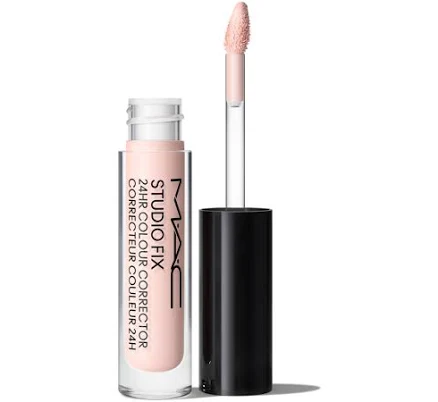
- pigments, silicone, glycerin in liquid/cream base
- Fragrance allergens and undisclosed fragrance compounds
3 hazards checked on this product, all on its full breakdown.
More concealer grades
How we score, every product runs through the same public 0-100 rubric based on materials, coatings, brand disclosure, lab findings, and recalls. See the full methodology → Spotted a mistake? Report an error.