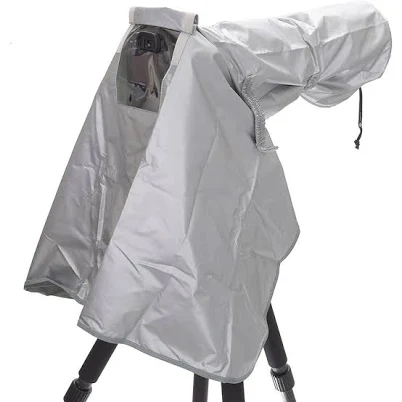
Dot Line · Waterproof Camera & Lens Protection Cases
Dot Line DSLR Rain Cape
Ask Matin what chemicals waterproof this cape before buying.
The Dot Line rain cape needs a water-resistant coating to work, but Matin tells you nothing about it. You can't know if PFAS chemicals are involved without material details.
The better-graded swap
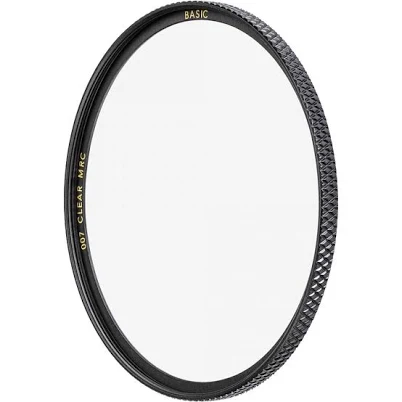
B+W
B+W Basic Clear Filter MRC
85/100 safety
Same rubric that flunked this product. The swap earned Excellent.
Still want this one anyway? Check the price on Amazon. We’d swap it.
Material
Nylon fabric with unspecified water-resistant coating
Brand disclosure
Brand is silent on PFAS
Lab data
No public lab test
You may also be interested in
Top-graded picks in the categories readers replace first, every one scored on the same rubric.

- polypropylene filter housing, carbon/sediment cartridge
- We found no PFAS statement from the brand
- Bacterial growth in spent cartridges
3 hazards checked on this product, all on its full breakdown.

Aquasure
Premier Series 75 GPD Under Sink Reverse Osmosis Water Filtration System
- RO membrane, carbon filters, stainless steel housing
- We found no PFAS statement from the brand
- Bacterial and microbial growth in housing and filters
4 hazards checked on this product, all on its full breakdown.

Avocado
Vegan Mattress
- organic cotton, natural latex, coconut coir, recycled steel coils
- The brand calls it PFAS-free, which we have not verified
- Heavy metals
2 hazards checked on this product, all on its full breakdown.
What Dot Line DSLR Rain Cape is made of, ingredients and materials
The Dot Line DSLR Rain Cape is constructed from nylon fabric with an applied water-resistant coating of undisclosed chemistry. Nylon itself is a stable synthetic polymer with no known leaching hazards under normal use. The water-repellent finish is the critical unknown, most rain gear relies on fluorocarbon-based coatings (PFAS compounds) to achieve durability and performance, though some manufacturers now use non-fluorinated alternatives like polyurethane or silicone-based systems. Without specification from Matin, you cannot determine which approach was used here.
What’s concerning
Category baseline
The starting point for this type of product, before anything specific to this product is counted.
No PFAS disclosure
No public statement from the brand about PFAS in this product.
Waterproof / stain-resistant treatment
Water-repellent coating treatments have historically used PFAS.
PFAS
The coating chemistry is unspecified by the manufacturer. Historical industry practice favors fluorocarbon-based PFAS for durability, but alternatives exist. No public testing or disclosure available for this specific product.
Source, ATSDR ↗Microplastics
Repeated flexing, washing, or abrasion of nylon fabric can release microfibers into the environment and potentially contaminate water systems. Risk increases if the fabric is handled roughly or washed frequently.
Source, EPA ↗Coating degradation and unknown breakdown products
If the water-repellent coating degrades over time (from UV exposure, heat, or wear), the resulting byproducts are unknown and uncharacterized. This is a particular concern if the coating contains fluorinated compounds.
What’s reassuring
Formaldehyde / VOCs
No evidence of formaldehyde-based finishes on this product, but nylon fabric manufacturing sometimes involves formaldehyde-releasing agents. Matin has not disclosed whether any such resins are present in the finished cape.
Source, ATSDR ↗Flame retardants
Rain capes are not typically flame-retardant-treated, and no evidence suggests this product contains added flame retardants. Standard nylon does not require such treatment for this use case.
Source, EPA ↗How is this PFAS grade calculated?
The brand's record and disclosure
Matin is a Japanese camera accessory manufacturer with limited publicly available transparency on material composition and chemical safety. No established certifications (such as GOTS, Oeko-Tex, or REACH compliance statements) are on record for this product line. The brand has not made public commitments to phasing out PFAS-containing coatings, nor have they responded to consumer inquiries about coating chemistry in available documentation. This silence is a significant red flag given that water-repellent textile coatings are a primary PFAS exposure pathway in consumer goods.
How it compares in its category
Rain capes and camera rain covers are a niche product category with sparse third-party safety testing. Competitors vary widely, some premium brands (e.g., Peak Design) explicitly disclose non-PFAS water treatments, while many budget and mid-range options remain silent on coating chemistry. The Dot Line cape is competitively priced but offers no transparency advantage over generic alternatives. Without disclosure, it sits in the same risk category as most unnamed rain gear on the market.
If you buy it
Contact Matin directly before purchase and request written confirmation of the water-resistant coating type (ask specifically, is it PFAS-free?). Store the cape dry and well-ventilated; do not expose it to heat sources (hair dryers, direct sunlight for extended periods) as this may accelerate any coating degradation or off-gassing. Wash with cool water and mild soap only; avoid dry cleaning or harsh detergents that could compromise the coating. Replace if the water-repellent finish visibly breaks down or beads less effectively, as this signals potential coating failure.
What is not known about PFAS in this product?
- Basis
- Model estimate, 35% confidence, not a lab result
- Lab test
- None on record for this exact product
- Brand statement
- Dot Line has made none
Formulations change between production runs, so check the current label. How we grade.
What are the PFAS-free alternatives to Dot Line DSLR Rain Cape?
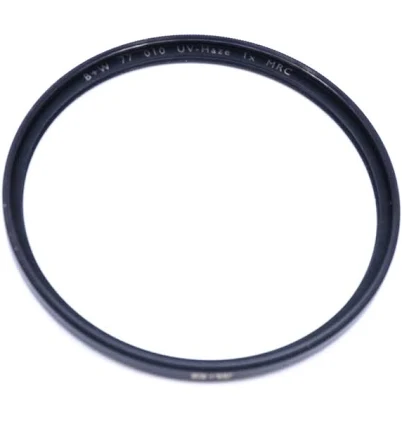
- Optical glass lens with multi-coated optical surfaces
- We found no PFAS statement from the brand
- No PFAS statement found from the brand
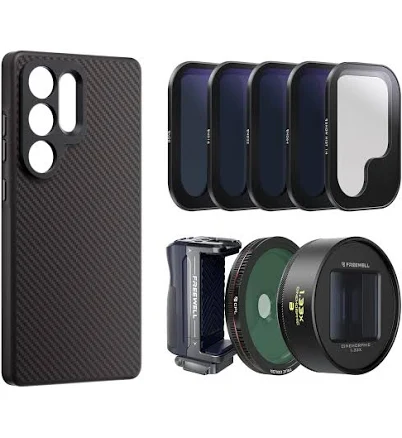
- Glass lens (borosilicate or soda-lime glass)
- Optical coating degradation
2 hazards checked on this product, all on its full breakdown.
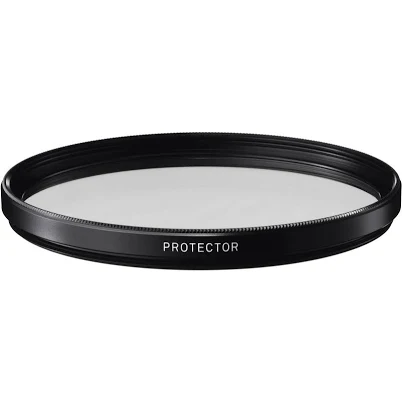
- Optical glass, aluminum frame, non-coated optical surfaces
- We found no PFAS statement from the brand
- Optical glass fragility and sharp edges
More waterproof camera & lens protection cases grades
How we score, every product runs through the same public 0-100 rubric based on materials, coatings, brand disclosure, lab findings, and recalls. See the full methodology → Spotted a mistake? Report an error.