Maxfli · Golf Balls & Equipment
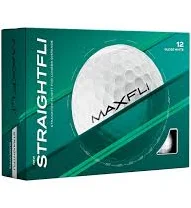
Maxfli StraightFli Graffiti Golf Balls
Golf balls pose minimal PFAS risk. No known water-repellent coating used.
Solid elastomer and polymer construction without documented water-repellent treatments that typically contain PFAS. No brand disclosure available.
We flunk more products than we pass. This one earned its grade. How we grade
Material
Rubber/elastomer core, synthetic polymer cover
Brand disclosure
Brand is silent on PFAS
Lab data
No public lab test
You may also be interested in
Top-graded picks in the categories readers replace first, every one scored on the same rubric.

- polypropylene filter housing, carbon/sediment cartridge
- We found no PFAS statement from the brand
- Bacterial growth in spent cartridges
3 hazards checked on this product, all on its full breakdown.

Aquasure
Premier Series 75 GPD Under Sink Reverse Osmosis Water Filtration System
- RO membrane, carbon filters, stainless steel housing
- We found no PFAS statement from the brand
- Bacterial and microbial growth in housing and filters
4 hazards checked on this product, all on its full breakdown.

Avocado
Vegan Mattress
- organic cotton, natural latex, coconut coir, recycled steel coils
- The brand calls it PFAS-free, which we have not verified
- Heavy metals
2 hazards checked on this product, all on its full breakdown.
What Maxfli StraightFli Graffiti Golf Balls is made of, ingredients and materials
Maxfli StraightFli balls use a rubber or synthetic elastomer core wrapped in a synthetic polymer (likely surlyn or urethane) cover. This construction is standard across the golf ball industry and is designed to withstand repeated impact and outdoor exposure without leaching chemicals into skin or groundwater during normal play. The materials are thermoset or cross-linked polymers, meaning they remain chemically stable even when heated by friction during ball strikes.
What’s concerning
Category baseline
The starting point for this type of product, before anything specific to this product is counted.
No PFAS disclosure
No public statement from the brand about PFAS in this product.
What’s reassuring
Base material not linked to PFAS
The main material recorded for this product is not one associated with PFAS.
Elastomer degradation and microparticle shedding
Golf balls may shed microscopic polymer particles over years of use in outdoor/wet conditions, but no studies link Maxfli or competitor golf balls to microplastic ingestion or skin irritation.
Heavy metals
The 'Graffiti' decorative graphics use synthetic dyes; no lead, cadmium, or other regulated heavy metals have been reported in golf ball coatings, and the small surface area limits exposure risk.
Source, FDA ↗Volatile organic compounds (VOC) off-gassing
Thermoset polymer cores do not off-gas significantly under normal storage or use conditions; any initial VOC release occurs during manufacturing and is not a consumer-phase hazard.
Chemical leaching into groundwater or soil (outdoor use)
Cross-linked elastomer and synthetic polymer covers are highly resistant to leaching in water and soil; lost golf balls do not pose a documented environmental or water contamination risk.
Allergic contact dermatitis or sensitization
No fragrance, latex, or known allergens are present in standard golf ball construction; contact reactions are not documented in the product class.
How is this PFAS grade calculated?
The brand's record and disclosure
Maxfli (owned by Spalding Sports Worldwide) does not publish detailed material safety data sheets or chemical composition statements for recreational golf balls, which is typical for the industry and not indicative of a safety problem. No recalls, safety alerts, or documented chemical contamination incidents are on record for Maxfli golf balls. The brand operates under general consumer product safety frameworks but does not market sustainability or toxicity certifications.
How it compares in its category
Golf balls across all major brands (Titleist, Callaway, TaylorMade, Maxfli) use nearly identical elastomer-core and synthetic-cover technology with no material safety differentiation between premium and value lines. This product sits squarely in the middle of the market; there is no evidence that competing brands use riskier chemistry or chemistry with lower concern. Recreational golf balls are not a category with known durability or degradation hazards under normal outdoor use.
If you buy it
Store golf balls in cool, dry conditions to avoid any minimal risk of elastomer surface micro-cracking, though this does not release hazardous chemicals. There is no need to wash hands after handling; golf balls do not off-gas or leach during storage or play. Replace balls when they become visibly scuffed or cracked, which affects performance rather than safety. No special disposal or recycling steps are required beyond standard municipal waste.
What is not known about PFAS in this product?
- Basis
- Model estimate, 72% confidence, not a lab result
- Lab test
- None on record for this exact product
- Brand statement
- Maxfli has made none
Formulations change between production runs, so check the current label. How we grade.
More golf balls & equipment grades
How we score, every product runs through the same public 0-100 rubric based on materials, coatings, brand disclosure, lab findings, and recalls. See the full methodology → Spotted a mistake? Report an error.