Maxfli · Golf Balls & Equipment
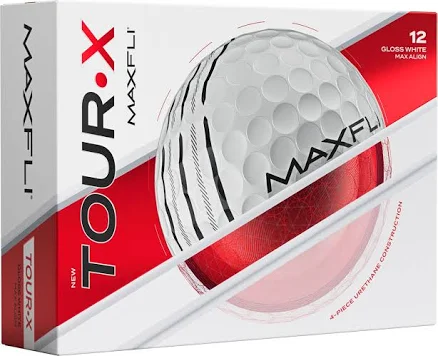
Maxfli Tour X Max Align Golf Balls
Inherent golf ball materials lower concern; brand silent on PFAS.
Synthetic polymers without intentional PFAS in standard ionomer or rubber construction. Maxfli does not disclose PFAS testing or claims.
We flunk more products than we pass. This one earned its grade. How we grade
Material
Synthetic rubber/polymer core, ionomer cover
Brand disclosure
Brand is silent on PFAS
Lab data
No public lab test
You may also be interested in
Top-graded picks in the categories readers replace first, every one scored on the same rubric.

- polypropylene filter housing, carbon/sediment cartridge
- We found no PFAS statement from the brand
- Bacterial growth in spent cartridges
3 hazards checked on this product, all on its full breakdown.

Aquasure
Premier Series 75 GPD Under Sink Reverse Osmosis Water Filtration System
- RO membrane, carbon filters, stainless steel housing
- We found no PFAS statement from the brand
- Bacterial and microbial growth in housing and filters
4 hazards checked on this product, all on its full breakdown.

Avocado
Vegan Mattress
- organic cotton, natural latex, coconut coir, recycled steel coils
- The brand calls it PFAS-free, which we have not verified
- Heavy metals
2 hazards checked on this product, all on its full breakdown.
What Maxfli Tour X Max Align Golf Balls is made of, ingredients and materials
Maxfli Tour X Max balls feature a synthetic rubber or polymer core (likely low-compression rubber blend) wrapped in an ionomer cover, a thermoplastic material chemically similar to ethylene-acrylic acid copolymers. Ionomer is inert when intact and does not leach into food or water since golf balls are not used for food contact or beverage storage. The core and cover degrade only under extreme conditions (sustained high heat, chemical solvents, or UV over years), which is not typical consumer use.
What’s concerning
Category baseline
The starting point for this type of product, before anything specific to this product is counted.
No PFAS disclosure
No public statement from the brand about PFAS in this product.
Microplastic shedding from cover wear
As ionomer or urethane covers scuff and degrade on the course, small polymer particles may shed into soil and water systems. This is an environmental concern rather than direct consumer health risk during play, but reflects the broader microplastic profile of synthetic sports equipment.
What’s reassuring
Base material not linked to PFAS
The main material recorded for this product is not one associated with PFAS.
Ionomer cover degradation and surface breakdown
Ionomer is chemically stable in normal use; degradation requires sustained UV, heat, or mechanical damage over extended periods. No public reports of hazardous breakdown of Maxfli Tour X Max covers in standard conditions.
Rubber core volatile organic compound (VOC) off-gassing
Synthetic rubber cores may emit trace VOCs during manufacturing and early storage, but balls are outdoor sporting goods with minimal indoor air-quality impact. No toxicological concern established for handled golf balls.
Heavy metals
Golf balls often have printed logos and numbering; lead or cadmium in inks is not a documented issue in major brands. Hand contact during play is brief and infrequent.
Source, FDA ↗How is this PFAS grade calculated?
The brand's record and disclosure
Maxfli (owned by Dick's Sporting Goods parent company) does not publish detailed material safety or chemical disclosure statements for golf balls, nor does it voluntarily certify to third-party environmental or toxicology standards. No recalls, regulatory actions, or independent safety incidents tied to Maxfli golf balls appear in public records. The brand's silence on PFAS and other chemical composition reflects industry-wide lack of transparency in sports equipment, not evidence of a specific safety failure.
How it compares in its category
Golf balls across major brands (Titleist, Callaway, TaylorMade, Maxfli) use similar ionomer or urethane cover systems and rubber/synthetic cores with no meaningful safety differentiation reported. Premium balls sometimes add urethane (softer, more durable) instead of ionomer, but this is a performance choice, not a safety distinction. Maxfli Tour X Max is a mid-range ball with standard construction, placing it in the low-hazard middle of the market with no outlier safety profile.
If you buy it
Golf balls are handled briefly during play and do not contact skin or food; standard handling requires no special precautions. Store in cool, dry conditions to minimize long-term UV and temperature degradation of the cover. Replace balls when covers crack, peel, or show significant scuffing, as this affects play and can allow water ingress, not a health hazard. Wash hands after play if desired, though residue transfer is negligible.
What is not known about PFAS in this product?
- Basis
- Model estimate, 65% confidence, not a lab result
- Lab test
- None on record for this exact product
- Brand statement
- Maxfli has made none
Formulations change between production runs, so check the current label. How we grade.
More golf balls & equipment grades
How we score, every product runs through the same public 0-100 rubric based on materials, coatings, brand disclosure, lab findings, and recalls. See the full methodology → Spotted a mistake? Report an error.