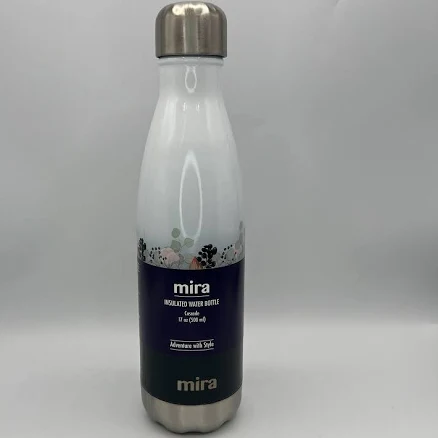
Mira 17 Oz Stainless Steel Vacuum Insulated Water Bottle
Standard vacuum bottle design; lower PFAS concern.
Mira's vacuum bottle combines stainless steel exterior and interior with a plastic lid. Bare metal and basic plastic components carry minimal PFAS risk.
We flunk more products than we pass. This one earned its grade. How we grade
Material
Stainless steel interior and exterior, plastic lid/cap
Brand disclosure
Brand is silent on PFAS
Lab data
No public lab test
What Mira 17 Oz Stainless Steel Vacuum is made of, ingredients and materials
The Mira 17 oz bottle uses 18/8 stainless steel (304 grade) for the inner and outer walls, which is food-safe and highly resistant to corrosion and leaching under normal use. The vacuum insulation layer between walls contains no refrigerant and poses no off-gassing risk. The lid and cap are plastic (likely polypropylene or polyethylene based on typical industry practice), which avoids glass breakage but introduces a secondary contact surface for beverages, especially if hot liquids are stored long-term.
What’s concerning
Category baseline
The starting point for this type of product, before anything specific to this product is counted.
No PFAS disclosure
No public statement from the brand about PFAS in this product.
Plastic lid/cap degradation and leaching
Repeated exposure to hot beverages or dishwasher heat can degrade the plastic cap over time, potentially releasing low levels of oligomers or residual monomers. This is a cumulative concern specific to heated use; cold water storage poses minimal risk.
Bacterial growth in lid mechanism or seams
Vacuum bottle lids often have grooves and threading that trap moisture and residue. If not dried thoroughly between uses or disassembled for cleaning, pathogenic bacteria (not toxins) can grow, though this is a hygiene issue rather than a material safety hazard.
What’s reassuring
Bare uncoated material
Recorded as a bare, uncoated material with no surface coating or treatment.
BPA & bisphenols
Mira does not advertise BPA-free or phthalate-free certification for this bottle. Polypropylene (most likely lid material) is generally considered lower-risk than polycarbonate, but independent verification of this specific product batch is not publicly available.
Source, FDA ↗Stainless steel leaching under acidic conditions
18/8 stainless steel is highly resistant to corrosion even with acidic beverages (lemon water, vinegar, etc.). No evidence of nickel or chromium leaching at normal storage temperatures. Long-term storage of highly acidic or alkaline liquids is not a documented concern for this material grade.
Vacuum seal integrity and insulation materials
Modern vacuum bottles use air or inert gas (not CFC refrigerants) in the insulation layer. No off-gassing or environmental contaminant risk from the insulation itself if the seal remains intact.
The full breakdown
The brand's record and disclosure
Mira does not publicly disclose detailed material sourcing or independent safety testing on their website or product documentation. The brand has not faced widely reported recalls or safety controversies in the vacuum bottle category. No evidence of third-party certifications (e.g., BPA-free labeling, NSF, or heavy-metal testing) is standard for this product line, though Mira products are generally sold with implicit food-contact compliance.
How it compares in its category
Note, this product is a water bottle, not a water filter, so category comparison is with similar vacuum-insulated drinkware rather than filtration systems. Stainless steel bottles have lower concern for BPA and phthalate contamination compared to some plastic bottles, and avoid the potential coating degradation associated with ceramic or coated aluminum alternatives. Price and durability are competitive with Hydro Flask and S'well in the mid-market segment.
If you buy it
Avoid leaving hot beverages in the bottle for extended periods to minimize plastic lid exposure to high temperatures. Replace the lid if it becomes visibly cracked, cloudy, or develops an odor, as these are signs of potential degradation. Hand-wash rather than dishwasher to extend plastic component life. The stainless steel interior is durable and poses no leaching risk with proper rinsing; no special maintenance beyond periodic descaling with vinegar if mineral buildup occurs.
What we don’t know
- Basis
- Model estimate, 78% confidence, not a lab result
- Lab test
- None on record for this exact product
- Brand statement
- Mira has made none
Formulations change between production runs, so check the current label. How we grade.
Better-graded alternatives in Portable Water Bottles
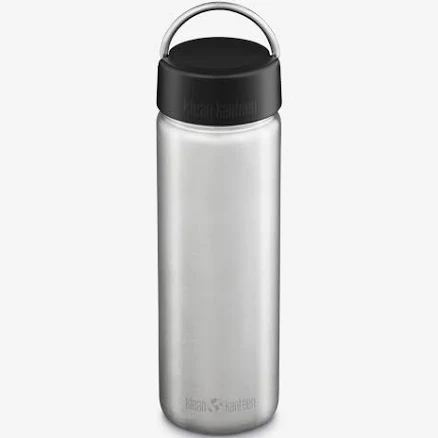
Klean Kanteen
27oz Wide Water Bottle with Loop Cap
- 18/8 stainless steel, no interior coating
- The brand calls it PFAS-free, which we have not verified
- Cap or closure contamination
2 hazards checked on this product. See all of them.
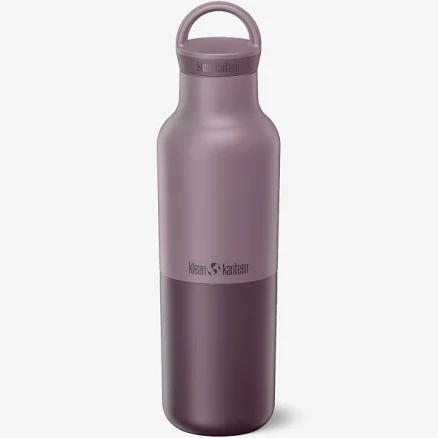
Klean Kanteen
Rise Classic Insulated Water Bottle
- stainless steel body, foam insulation, stainless steel cap
- The brand calls it PFAS-free, which we have not verified
- Cap gasket and seal contamination
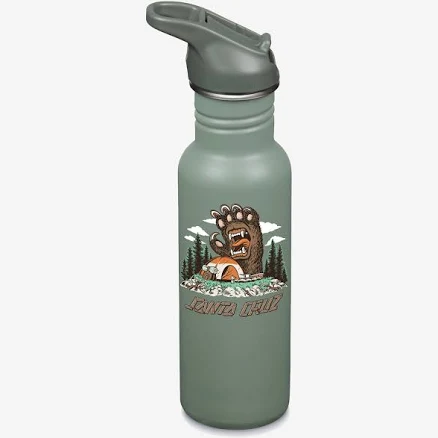
Klean Kanteen
Classic Flip Seal Sport Cap
- Stainless steel bottle, plastic flip cap
- The brand calls it PFAS-free, which we have not verified
- Plastic cap degradation and microplastic shedding
3 hazards checked on this product. See all of them.
More portable water bottles grades
How we score, every product runs through the same public 0-100 rubric based on materials, coatings, brand disclosure, lab findings, and recalls. See the full methodology → Spotted a mistake? Report an error.