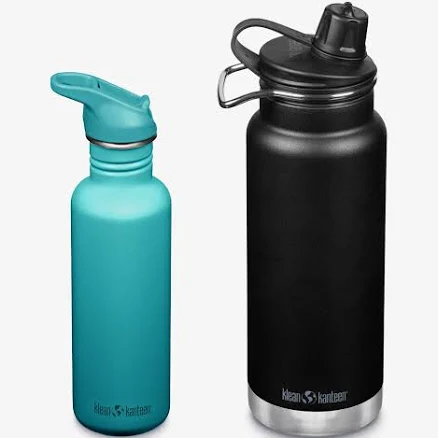
Klean Kanteen · Portable Water Bottles
Klean Kanteen Hydration Kit
Brand PFAS statement on record, which we have not verified.
Klean Kanteen describes its bottles as BPA, PFAS and lead-free. We record that as an unverified brand claim.
Brand says: “Klean Kanteen describes its bottles as BPA, PFAS and lead-free.”
We flunk more products than we pass. This one earned its grade. How we grade
Material
Stainless steel bottle, activated carbon filter
Brand disclosure
Brand claims PFAS-free
Lab data
No public lab test
You may also be interested in
Top-graded picks in the categories readers replace first, every one scored on the same rubric.

- polypropylene filter housing, carbon/sediment cartridge
- We found no PFAS statement from the brand
- Bacterial growth in spent cartridges
3 hazards checked on this product, all on its full breakdown.

Aquasure
Premier Series 75 GPD Under Sink Reverse Osmosis Water Filtration System
- RO membrane, carbon filters, stainless steel housing
- We found no PFAS statement from the brand
- Bacterial and microbial growth in housing and filters
4 hazards checked on this product, all on its full breakdown.

Avocado
Vegan Mattress
- organic cotton, natural latex, coconut coir, recycled steel coils
- The brand calls it PFAS-free, which we have not verified
- Heavy metals
2 hazards checked on this product, all on its full breakdown.
What Klean Kanteen Hydration Kit is made of, ingredients and materials
The Klean Kanteen bottle is constructed from food-grade stainless steel (typically 18/8 austenitic alloy), which does not leach heavy metals, BPA, or degradation byproducts into water under normal use. The activated carbon filter relies on adsorption to remove chlorine, sediment, and some organic contaminants, but carbon itself is inert and poses no chemical hazard if the filter housing and seals remain intact. Stainless steel is one of the lowest-risk beverage container materials because it is non-reactive across pH ranges and temperatures typical of water storage and consumption.
What’s concerning
Category baseline
The starting point for this type of product, before anything specific to this product is counted.
Activated carbon filter maintenance and microbial growth
If the filter is not replaced on schedule or stored wet without drying, activated carbon can harbor bacteria or mold. This is a use-dependent hazard, not a manufacturing hazard, and is manageable with proper care.
Seal and gasket polymer degradation
The bottle lid and filter housing contain rubber or silicone seals whose composition is not specified in typical product literature. These materials are not known to leach endocrine disruptors under normal water storage, but degradation over time is possible if exposed to heat or UV.
What’s reassuring
Brand-stated PFAS-free
The brand states this product is PFAS-free. We have not verified the claim.
Base material not linked to PFAS
The main material recorded for this product is not one associated with PFAS.
Lead
Food-grade 18/8 stainless steel complies with FDA and NSF standards that exclude lead and cadmium in base alloy; no recalls or contamination incidents are on record for Klean Kanteen bottles.
Source, ATSDR ↗Aluminum leaching from filter housing
The filter housing material is not publicly specified, but if aluminum is used, it would be anodized or coated to prevent leaching into water; no published data suggests this product poses an aluminum hazard.
Microplastics
Activated carbon filters release small particles during normal use, but these are carbon-based (not plastic) and pass through the mouth without harm; housing is stainless steel or rated food-contact plastic and is not known to shed particles.
Source, EPA ↗How is this PFAS grade calculated?
The brand's record and disclosure
Klean Kanteen has a documented history of marketing sustainability and non-toxic positioning, including explicit claims of PFAS-free manufacturing. The brand has published environmental commitments and design statements emphasizing stainless steel as a lower-concern alternative to plastic. However, the PFAS claim itself has not been independently verified through third-party testing results on the public record, so it should be treated as a statement pending external confirmation rather than proven fact.
How it compares in its category
Stainless steel bottles are associated with lower concern regarding reusable water containers compared to plastic bottles (which may contain BPA/BPS or phthalates) or coated aluminum bottles (which can degrade and leach). Most competitors in the premium reusable category (Hydro Flask, S'well, Nalgene steel models) use similar 18/8 stainless steel construction and pose equivalent or comparable chemical hazards. The activated carbon filter is a distinguishing feature that adds filtration value but introduces a maintenance responsibility absent in plain bottles.
If you buy it
Replace or regenerate the activated carbon filter every 2-3 months or after filtering 40-100 gallons, depending on water quality and manufacturer guidance, to prevent bacterial growth and reduced effectiveness. Do not expose the bottle to prolonged boiling or steam sterilization, as seals and any polymer components may degrade. Rinse the filter housing and bottle interior regularly with fresh water; stainless steel itself resists corrosion but mineral deposits can build up. Hand-wash recommended to preserve seal integrity; most stainless steel bottles are not dishwasher-safe due to seals.
What is not known about PFAS in this product?
- Basis
- Model estimate, 72% confidence, not a lab result
- Lab test
- None on record for this exact product
- Brand statement
- Klean Kanteen has made a specific claim
Formulations change between production runs, so check the current label. How we grade.
What are the PFAS-free alternatives to Klean Kanteen Hydration Kit?
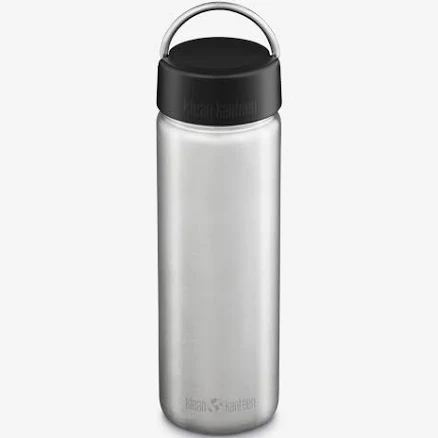
- 18/8 stainless steel, no interior coating
- The brand calls it PFAS-free, which we have not verified
- Cap or closure contamination
2 hazards checked on this product, all on its full breakdown.
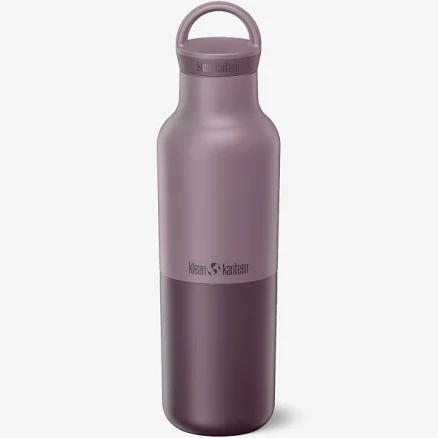
- stainless steel body, foam insulation, stainless steel cap
- The brand calls it PFAS-free, which we have not verified
- Cap gasket and seal contamination
More portable water bottles grades
How we score, every product runs through the same public 0-100 rubric based on materials, coatings, brand disclosure, lab findings, and recalls. See the full methodology → Spotted a mistake? Report an error.