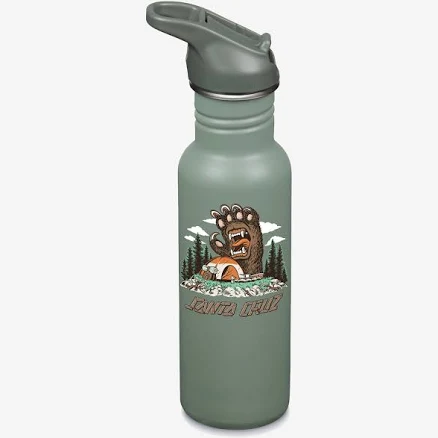
Klean Kanteen · Portable Water Bottles
Klean Kanteen Classic Flip Seal Sport Cap
Brand PFAS statement on record, which we have not verified.
Klean Kanteen describes its bottles as BPA, PFAS and lead-free. We record that as an unverified brand claim.
Brand says: “Klean Kanteen describes its bottles as BPA, PFAS and lead-free.”
We flunk more products than we pass. This one earned its grade. How we grade
Material
Stainless steel bottle, plastic flip cap
Brand disclosure
Brand claims PFAS-free
Lab data
No public lab test
You may also be interested in
Top-graded picks in the categories readers replace first, every one scored on the same rubric.

- polypropylene filter housing, carbon/sediment cartridge
- We found no PFAS statement from the brand
- Bacterial growth in spent cartridges
3 hazards checked on this product, all on its full breakdown.

Aquasure
Premier Series 75 GPD Under Sink Reverse Osmosis Water Filtration System
- RO membrane, carbon filters, stainless steel housing
- We found no PFAS statement from the brand
- Bacterial and microbial growth in housing and filters
4 hazards checked on this product, all on its full breakdown.

Avocado
Vegan Mattress
- organic cotton, natural latex, coconut coir, recycled steel coils
- The brand calls it PFAS-free, which we have not verified
- Heavy metals
2 hazards checked on this product, all on its full breakdown.
What Klean Kanteen Classic Flip Seal Sport Cap is made of, ingredients and materials
The bottle body is 18/8 food-grade stainless steel, which does not leach metals into water under normal use. The flip cap and seal are plastic (material composition varies by production year; Klean Kanteen has used both polypropylene and other food-grade plastics). Stainless steel is chemically inert and durable; the cap's durability depends on plastic type and hinge integrity over time.
What’s concerning
Category baseline
The starting point for this type of product, before anything specific to this product is counted.
Plastic cap degradation and microplastic shedding
The flip cap experiences mechanical stress from repeated opening and thermal cycling. Micro-fractures or wear in the plastic hinge and seal area may shed small particles into water, especially if the cap is old or damaged. This is typical for any plastic flip mechanism in this category.
Bacterial growth in cap seals
The crevices in the flip seal mechanism can trap moisture and residue, creating conditions for mold or bacterial biofilm if not cleaned regularly. This is a maintenance issue rather than a material defect, but more pronounced than with screw-cap designs.
Durability of seal gasket
User reports indicate the rubber or silicone gasket in the seal can harden or crack after 1-3 years, reducing watertightness. This is a wear issue, not a toxicity hazard, but it triggers the need for replacement.
What’s reassuring
Brand-stated PFAS-free
The brand states this product is PFAS-free. We have not verified the claim.
Base material not linked to PFAS
The main material recorded for this product is not one associated with PFAS.
BPA & bisphenols
Klean Kanteen claims PFAS-free products, but public documentation of cap material (BPA/BPS status) is not consistently available. You should verify directly with the manufacturer if this is a concern; stainless steel contact is not a leaching risk.
Source, FDA ↗Aluminum or trace metals (cap hinge fasteners)
The flip hinge may use aluminum or stainless fasteners, but these do not contact drinking water directly. No leaching risk is documented for this model.
How is this PFAS grade calculated?
The brand's record and disclosure
Klean Kanteen has made public claims that products contain no PFAS and marketed them for drinking water storage. The brand has not faced major product safety recalls specific to this bottle model on public record. Their transparency on plastic formulations (BPA/BPS status) is inconsistent across product lines; you may need to contact them directly for cap-specific material details.
How it compares in its category
Stainless steel bottles are among those with lower concern for water storage because the metal does not leach. Most competitors in the reusable-bottle market use similar stainless construction but vary in cap design and plastic durability. The flip cap is more prone to wear and hinge failure than screw tops, so replacement rates are typically higher.
If you buy it
Do not microwave or boil the bottle (the cap will fail). Wash the cap weekly to prevent mold or bacterial biofilm in the seal mechanism. Replace the cap if the hinge cracks or the seal no longer holds; replacement caps are available directly from Klean Kanteen. Avoid prolonged contact with acidic beverages, which can degrade plastic components faster.
What is not known about PFAS in this product?
- Basis
- Model estimate, 78% confidence, not a lab result
- Lab test
- None on record for this exact product
- Brand statement
- Klean Kanteen has made a specific claim
Formulations change between production runs, so check the current label. How we grade.
What are the PFAS-free alternatives to Klean Kanteen Classic Flip Seal Sport Cap?
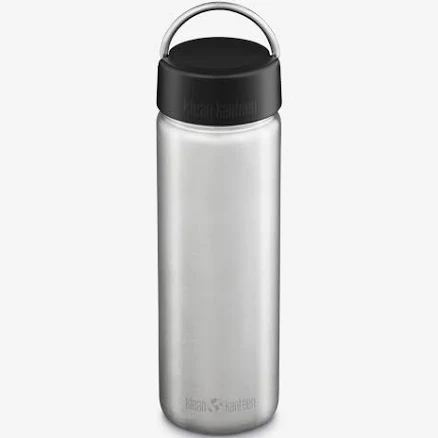
- 18/8 stainless steel, no interior coating
- The brand calls it PFAS-free, which we have not verified
- Cap or closure contamination
2 hazards checked on this product, all on its full breakdown.
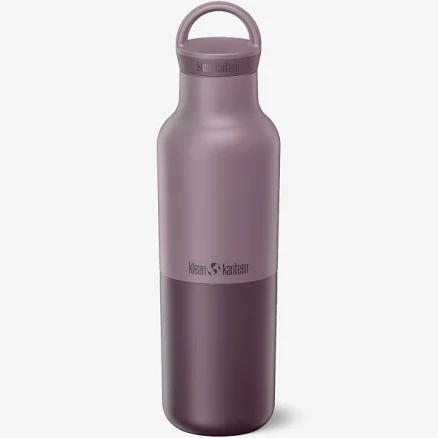
- stainless steel body, foam insulation, stainless steel cap
- The brand calls it PFAS-free, which we have not verified
- Cap gasket and seal contamination
More portable water bottles grades
How we score, every product runs through the same public 0-100 rubric based on materials, coatings, brand disclosure, lab findings, and recalls. See the full methodology → Spotted a mistake? Report an error.