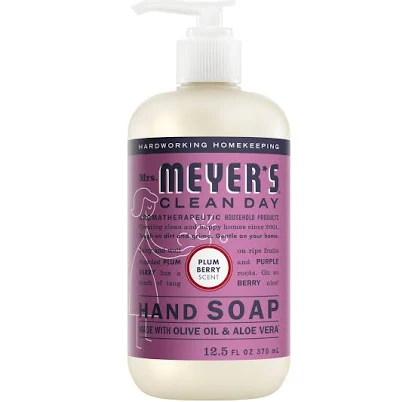
Mrs. Meyer's Clean Day · Hand Soap
Mrs Meyer's Clean Day Liquid Hand Soap
Low-medium concern; liquid hand soap formulation avoids typical PFAS pathways.
This water-based liquid detergent lacks Teflon-type coating coatings, Teflon-family coating, water-repellent treatments, or grease barriers typical of PFAS use. No third-party lab data or public PFAS-free claims exist.
We flunk more products than we pass. This one earned its grade. How we grade
Material
water-based liquid soap formulation
Brand disclosure
Brand is silent on PFAS
Lab data
No public lab test
You may also be interested in
Top-graded picks in the categories readers replace first, every one scored on the same rubric.

- polypropylene filter housing, carbon/sediment cartridge
- We found no PFAS statement from the brand
- Bacterial growth in spent cartridges
3 hazards checked on this product, all on its full breakdown.

Aquasure
Premier Series 75 GPD Under Sink Reverse Osmosis Water Filtration System
- RO membrane, carbon filters, stainless steel housing
- We found no PFAS statement from the brand
- Bacterial and microbial growth in housing and filters
4 hazards checked on this product, all on its full breakdown.

Avocado
Vegan Mattress
- organic cotton, natural latex, coconut coir, recycled steel coils
- The brand calls it PFAS-free, which we have not verified
- Heavy metals
2 hazards checked on this product, all on its full breakdown.
What Mrs Meyer's Clean Day Liquid Hand Soap is made of, ingredients and materials
Mrs. Meyer's Clean Day hand soaps are water-based surfactant formulations typically built on plant-derived cleansing agents rather than synthetic petrochemicals. The brand publishes ingredient lists openly, which is uncommon in mass-market soap and a positive transparency signal. Liquid soap formulations eliminate the concerns associated with bar soap additives like antimicrobial triclosan (largely phased out by FDA in 2016 anyway). No heating, plastic leaching, or coating degradation issues apply to liquid soap in pump bottles.
What’s concerning
Category baseline
The starting point for this type of product, before anything specific to this product is counted.
No PFAS disclosure
No public statement from the brand about PFAS in this product.
Fragrance allergens (botanical or synthetic components)
Mrs. Meyer's soaps are marketed heavily on scent (lavender, lemon, basil, etc.). While plant-derived fragrances show lower concern than synthetic musk compounds, individual sensitization to botanical oils and fragrance mixtures is documented, especially in people with eczema or atopic dermatitis. Rinse-off formulation limits exposure, but contact dermatitis risk is not zero.
1,4-dioxane contamination from surfactants
If ethoxylated surfactants (common in plant-derived cleansing agents) are used without post-manufacture removal, trace 1,4-dioxane can be present as a manufacturing contaminant, not an intentional ingredient. No test data is publicly available for Mrs. Meyer's products. The risk is low because rinse-off is immediate and dioxane is volatile, but disclosure of dioxane levels would strengthen consume
Bacterial or fungal growth in pump dispenser
Any liquid hand soap in a communal pump bottle can accumulate biofilm or mold if the dispenser is not cleaned regularly or if water is introduced. This is a usage issue, not a product formulation issue, but hand soaps kept in damp bathrooms are at higher risk. Proper sealing and periodic cleaning prevent this.
What’s reassuring
Base material not linked to PFAS
The main material recorded for this product is not one associated with PFAS.
Formaldehyde / VOCs
No evidence of formaldehyde-releasing preservatives (imidazolidinyl urea, dmdm hydantoin) in published ingredient lists. Liquid soaps typically rely on pH, water activity, and alcohol or benzoates for preservation, not formaldehyde releasers. Not a documented concern for this brand.
Source, ATSDR ↗Heavy metals
Hand soaps do not typically accumulate heavy metals in pigments (unlike cosmetics with iron oxides or cadmium colorants). Mrs. Meyer's does not disclose special mineral additives; standard surfactant formulations contain no known lead or cadmium pathways. Rinse-off exposure also minimizes any theoretical risk.
Source, FDA ↗How is this PFAS grade calculated?
The brand's record and disclosure
Mrs. Meyer's (owned by SC Johnson) maintains published ingredient transparency and has not faced major safety recalls on hand soaps. The brand positions itself around plant-based, fragrance-forward formulations and has certified products with third parties like USDA Organic (for some product lines, though not all soaps). No documented controversies over heavy metals, formaldehyde, or other hand soap hazards are on record. The brand does not explicitly address PFAS in public statements, though liquid hand soaps are not a typical PFAS exposure vector.
How it compares in its category
Hand soaps occupy a low-hazard category overall because contact time is brief and rinse-off is complete. Mrs. Meyer's sits in the middle-to-premium segment, more transparent than typical drugstore brands but less certifications than specialty organic competitors. Fragrance-driven formulas carry minor allergen risk, which is typical for this brand and category; unscented alternatives exist if sensitivity is a concern. Most competitors (Dial, Softsoap, Seventh Generation) have similar or less ingredient disclosure.
If you buy it
No special precautions needed. Use as directed and rinse thoroughly; brief contact with skin is the normal use case and poses no identified hazard. Keep pump bottle sealed between uses to prevent mold or bacterial growth in the dispenser (standard for all liquid hand soaps). Replace when empty; no reuse or refilling guidance is necessary unless using refill packets, which follow the same safety profile. For individuals with fragrance sensitivity or eczema, patch-test or consider unscented alternatives, but no product-specific warning applies.
What is not known about PFAS in this product?
- Basis
- Model estimate, 82% confidence, not a lab result
- Lab test
- None on record for this exact product
- Brand statement
- Mrs. Meyer's Clean Day has made none
Formulations change between production runs, so check the current label. How we grade.
What are the PFAS-free alternatives to Mrs Meyer's Clean Day Liquid Hand Soap?
- soluble tablet, plant-based surfactants
- A third party reports verifying it as PFAS-free
- Fragrance allergens and sensitizers
2 hazards checked on this product, all on its full breakdown.
- water, plant oils, potassium hydroxide
- We found no PFAS statement from the brand
- Fragrance allergens (peppermint essential oil)
- Glycerin, water, plant oils, lavender fragrance
- We found no PFAS statement from the brand
- Fragrance allergens (lavender fragrance)
2 hazards checked on this product, all on its full breakdown.
More hand soap grades
How we score, every product runs through the same public 0-100 rubric based on materials, coatings, brand disclosure, lab findings, and recalls. See the full methodology → Spotted a mistake? Report an error.