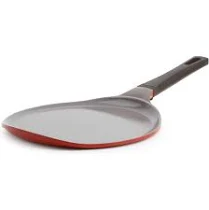
Neoflam 10 inch Ceramic Nonstick Crepe Pan
Ceramic nonstick claimed, but coating composition not disclosed by brand.
Neoflam markets this as ceramic nonstick, a lower-concern category. However, the brand provides no transparency on coating chemistry or PFAS status, limiting confidence in the claim.
The better-graded swap
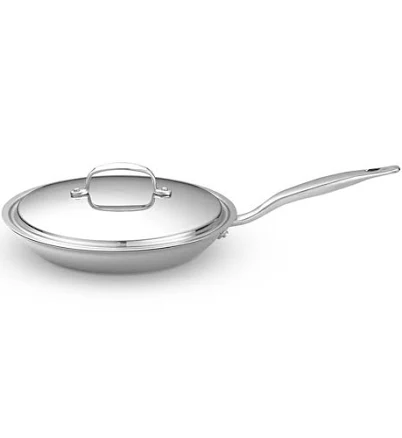
Heritage Steel
Heritage Steel 10.5" Fry Pan with Lid
100/100 safety
Same rubric that flunked this product. The swap earned Excellent.
Still want this one anyway? Check the price on Amazon. We’d swap it.
Material
ceramic nonstick coating on aluminum
Brand disclosure
Brand is silent on PFAS
Lab data
No public lab test
Is Neoflam 10 inch Ceramic Nonstick Crepe Pan non-toxic? What it is made of
This crepe pan has an aluminum core topped with a ceramic nonstick coating. Aluminum conducts heat well but can leach into acidic or salty foods if the protective coating degrades or is scratched. The ceramic coating is claimed to be PFAS-free by Neoflam, but the brand does not publicly disclose the full chemical composition of that coating, making independent verification difficult.
What’s concerning
Non-stick, chemistry undisclosed
Marketed as non-stick without stating the coating chemistry.
Category baseline
The starting point for this type of product, before anything specific to this product is counted.
No PFAS disclosure
No public statement from the brand about PFAS in this product.
Aluminum leaching
Ceramic coatings degrade with use, scratching, or thermal stress. Once coating is compromised, acidic foods (tomato, lemon, vinegar) or salt can interact with exposed aluminum, leading to leaching into food. No brand-specific leaching data is available.
Coating degradation and flaking
Ceramic nonstick coatings are less durable than Teflon-type coating. Neoflam does not publish durability benchmarks or warranty terms; users report coating loss within 1-3 years of regular use. Flaked coating particles in food are a choking and digestive irritant risk.
Teflon-type coating or PFOA residue (despite ceramic claim)
Neoflam claims the coating is ceramic, but manufacturing processes and supplier chains are undisclosed. Cross-contamination during production or use of PFOA-tainted precursor chemicals is not ruled out by public information.
What’s reassuring
Lead
No recalls or test reports documenting lead or cadmium in Neoflam ceramic cookware are on record. However, the brand does not disclose raw material sourcing or heavy metal testing, so absence of reports does not confirm absence of risk.
Source, ATSDR ↗Thermal fume risk
Ceramic coatings do not release the toxic fumes that overheated Teflon-type coating does. No reports of fume-related incidents from this product exist; however, sustained high-heat use may still degrade the coating and expose the aluminum substrate.
The full breakdown
The brand's record and disclosure
Neoflam has marketed ceramic nonstick cookware as a healthier alternative but maintains silence on detailed coating chemistry, third-party testing, or certifications (such as GOTS, Oeko-Tex, or NSF food-contact approval). No major recalls specific to this model are on record. The company's lack of transparent material disclosure is a red flag in the nonstick cookware space, where coating composition directly affects safety.
How it compares in its category
Ceramic nonstick cookware is marketed as PFAS-free relative to traditional Teflon-type coating (Teflon), but the actual durability and safety of ceramic coatings vary widely by formulation. This Neoflam pan sits in the mid-market segment; competitors like GreenPan and Our Place disclose more openly or carry third-party certifications. Cast iron or stainless steel alternatives eliminate coating-leaching risk entirely but sacrifice nonstick convenience.
If you buy it
Hand wash only; dishwasher use accelerates coating wear. Avoid high heat; use medium or lower to reduce coating stress and aluminum leaching risk. Inspect the surface regularly for chips, discoloration, or flaking; discard if coating is visibly damaged. Replace every 2-4 years depending on use frequency, as ceramic nonstick coatings degrade faster than Teflon-type coating and lose nonstick properties well before safety becomes acute.
What we don’t know
- Basis
- Model estimate, 45% confidence, not a lab result
- Lab test
- None on record for this exact product
- Brand statement
- Neoflam has made none
Formulations change between production runs, so check the current label. How we grade.
Better-graded alternatives in Cookware
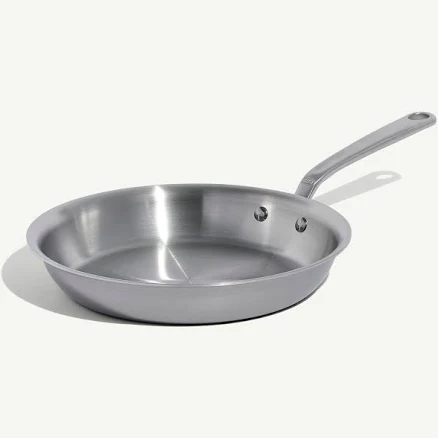
Made In
Stainless Clad Fry Pan
- Stainless steel clad construction, no nonstick coating
- The brand calls it PFAS-free, which we have not verified
- Clad separation or delamination over time
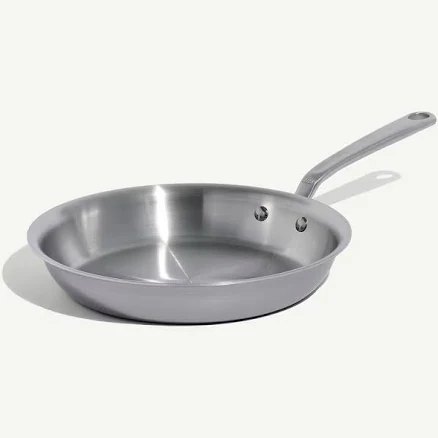
Made In
10' Stainless Clad Frying Pan
- stainless steel clad construction, no nonstick coating
- The brand calls it PFAS-free, which we have not verified
- Nickel leaching from stainless steel
3 hazards checked on this product. See all of them.
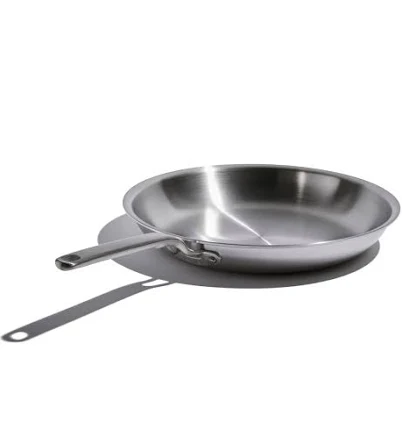
Heritage Steel
Eater Fry Pan
- Clad stainless steel, no coating
- The brand calls it PFAS-free, which we have not verified
- Metal ion release during cooking (iron, nickel, chromium)
More cookware grades
How we score, every product runs through the same public 0-100 rubric based on materials, coatings, brand disclosure, lab findings, and recalls. See the full methodology → Spotted a mistake? Report an error.