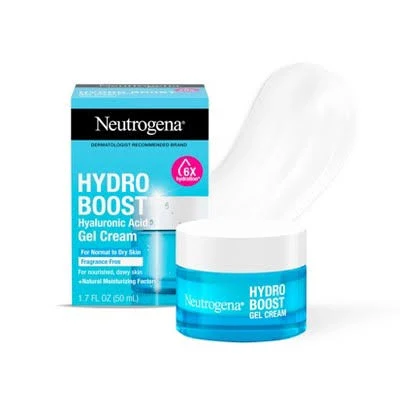
Neutrogena Hydro Boost Water Gel Moisturizer
Lower PFAS concern; typical water-gel moisturizer without known high-risk chemistries.
The humectant-based water gel lacks reported PFAS ingredients or waterproofing treatments tied to PFAS. Neutrogena makes no PFAS claims.
We flunk more products than we pass. This one earned its grade. How we grade
Material
Water gel emulsion (glycerin, hydrating polymer base)
Lab data
No public lab test
You may also be interested in
Top-graded picks in the categories readers replace first, every one scored on the same rubric.

- polypropylene filter housing, carbon/sediment cartridge
- We found no PFAS statement from the brand
- Bacterial growth in spent cartridges
3 hazards checked on this product, all on its full breakdown.

Aquasure
Premier Series 75 GPD Under Sink Reverse Osmosis Water Filtration System
- RO membrane, carbon filters, stainless steel housing
- We found no PFAS statement from the brand
- Bacterial and microbial growth in housing and filters
4 hazards checked on this product, all on its full breakdown.

Avocado
Vegan Mattress
- organic cotton, natural latex, coconut coir, recycled steel coils
- The brand calls it PFAS-free, which we have not verified
- Heavy metals
2 hazards checked on this product, all on its full breakdown.
What Neutrogena Hydro Boost Gel Moisturizer is made of, ingredients and materials
Neutrogena Hydro Boost is a water-based gel emulsion built on glycerin and hydrating polymers (likely polyethylene glycol derivatives or hyaluronic acid polymer), not oils or waxes. This chemistry avoids the risks associated with mineral oil contamination or synthetic ester instability. The formula lacks occlusive film-forming agents that degrade, and water-based gels do not release volatile organic compounds (VOCs) during storage or application.
What’s concerning
Category baseline
The starting point for this type of product, before anything specific to this product is counted.
No PFAS disclosure
No public statement from the brand about PFAS in this product.
Formaldehyde / VOCs
Water-based gels typically use preservatives like methylisothiazolinone or phenoxyethanol rather than formaldehyde-releasers, but full ingredient list must be checked. Neutrogena has not publicly disclosed a formaldehyde-releaser-free claim for this product, though such releasers are less common in hydrating gels than in creams.
Source, ATSDR ↗Fragrance allergens
Hydro Boost variants include both fragrance-free and lightly scented formulations. Scented versions may contain undisclosed fragrance allergens (e.g., limonene, linalool); this is standard in mainstream skincare and not unique to this brand. Patch test if history of cosmetic contact dermatitis.
BPA & bisphenols
Hydro Boost is packaged in plastic bottles or pump dispensers; composition of these containers is not disclosed by Neutrogena. BPA/BPS leaching risk is low at room temperature and short shelf life, but third-party testing of packaging is not published. Choose pump dispensers over wide-mouth jars to minimize air exposure and contamination risk.
Source, FDA ↗What’s reassuring
Base material not linked to PFAS
The main material recorded for this product is not one associated with PFAS.
Lead
Water-gel moisturizers do not use pigments, and no recalls or test results document heavy-metal contamination in Hydro Boost. The brand does not publish third-party metal testing for this product line, but the water-based chemistry and simple ingredient set pose low inherent risk.
Source, ATSDR ↗Microplastics
Hydro Boost uses dissolved hydrating polymers and glycerin, not exfoliating microbeads or insoluble plastic particles. The gel does not contain reported microplastic ingredients; water-gel emulsions are not a known source of primary microplastics.
Source, EPA ↗How is this PFAS grade calculated?
The brand's record and disclosure
Neutrogena (Johnson & Johnson subsidiary) maintains standard cosmetic labeling and ingredient transparency on product packaging and online. The brand has not issued recalls specific to this moisturizer line for heavy metals, allergens, or preservative contamination in recent years. J&J has faced broader litigation over talc-based products but does not use talc in Hydro Boost formulations. No formal certification (e.g., EWG Verified, clean beauty) is claimed for this product.
How it compares in its category
Water-gel moisturizers are among the lowest-risk formulations in skincare, as they lack the preservative-overload risk of creams or the silicone-accumulation concerns of serums. Hydro Boost sits in the mainstream mass-market segment with formulations comparable to CeraVe Hydrating Facial Lotion or Cetaphil, though without third-party heavy-metal testing published. The glycerin-based hydration approach is chemically stable and does not require complex antioxidants that might introduce trace heavy metals from synthesis.
If you buy it
Apply moisturizer to clean, damp skin to maximize hydration retention. Store in a cool, dry place away from direct sunlight to prevent emulsion separation, though this does not create a safety hazard. Water-based gels have a typical shelf life of 18-24 months after opening; discard if the gel thickens unevenly or develops an off-odor, which may indicate microbial growth. No special handling or heat precautions required during use.
What is not known about PFAS in this product?
- Basis
- Model estimate, 78% confidence, not a lab result
- Lab test
- None on record for this exact product
- Brand statement
- Neutrogena has made a specific claim
Formulations change between production runs, so check the current label. How we grade.
What are the PFAS-free alternatives to Neutrogena Hydro Boost Water Gel Moisturizer?
- Plant oils, butters, waxes
- We found no PFAS statement from the brand
- Fragrance allergens
2 hazards checked on this product, all on its full breakdown.
- Water, oils, glycerin, botanical extracts
- The brand calls it PFAS-free, which we have not verified
- Fragrance allergens (botanical extracts)
3 hazards checked on this product, all on its full breakdown.
- Water-based serum, niacinamide and zinc actives in glycerin base
- We found no PFAS statement from the brand
- 1,4-dioxane as a manufacturing byproduct
2 hazards checked on this product, all on its full breakdown.
More moisturizer grades
How we score, every product runs through the same public 0-100 rubric based on materials, coatings, brand disclosure, lab findings, and recalls. See the full methodology → Spotted a mistake? Report an error.