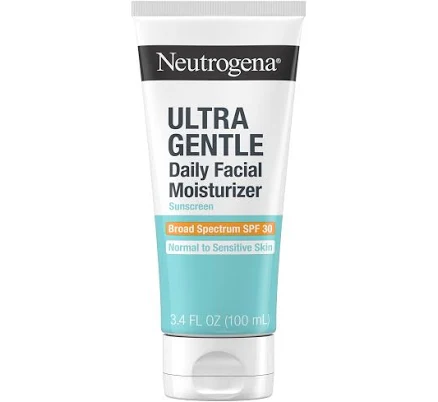
Neutrogena Ultra Gentle Daily Face Moisturizer with SPF 30
Lower PFAS concern; mineral sunscreen formulation reduces waterproofing-related risk.
This rinse-off moisturizer with mineral sunscreen filters lacks durable water repellency or grease-resistance features. Mineral filters reduce waterproofing chemistry risk compared to synthetic alternatives.
We flunk more products than we pass. This one earned its grade. How we grade
Material
water-based emulsion with mineral sunscreen filters
Lab data
No public lab test
You may also be interested in
Top-graded picks in the categories readers replace first, every one scored on the same rubric.

- polypropylene filter housing, carbon/sediment cartridge
- We found no PFAS statement from the brand
- Bacterial growth in spent cartridges
3 hazards checked on this product, all on its full breakdown.

Aquasure
Premier Series 75 GPD Under Sink Reverse Osmosis Water Filtration System
- RO membrane, carbon filters, stainless steel housing
- We found no PFAS statement from the brand
- Bacterial and microbial growth in housing and filters
4 hazards checked on this product, all on its full breakdown.

Avocado
Vegan Mattress
- organic cotton, natural latex, coconut coir, recycled steel coils
- The brand calls it PFAS-free, which we have not verified
- Heavy metals
2 hazards checked on this product, all on its full breakdown.
What Neutrogena Ultra Gentle Daily Face SPF is made of, ingredients and materials
This is a water-based emulsion moisturizer using mineral (zinc oxide/titanium dioxide) rather than chemical sunscreen filters, which reduces the need for PFAS-containing water-resistant chemistry. The base is typical, glycerin, emollients, and humectants to hydrate skin. Mineral sunscreens sit on the skin surface rather than absorbing, lowering systemic exposure risk compared to chemical UV filters.
What’s concerning
Category baseline
The starting point for this type of product, before anything specific to this product is counted.
No PFAS disclosure
No public statement from the brand about PFAS in this product.
1,4-dioxane (manufacturing byproduct)
Water-based emulsions can contain trace 1,4-dioxane from ethoxylated surfactants used as emulsifiers. No public testing of this specific product exists, but independent labs have occasionally detected low levels (typically <1 ppm) in Neutrogena moisturizers; risk is minimal at normal use rates.
What’s reassuring
Base material not linked to PFAS
The main material recorded for this product is not one associated with PFAS.
Fragrance allergens
This product is marketed as fragrance-free. Standard Neutrogena moisturizers may include masking fragrance, but this SPF variant does not list fragrance in published ingredients.
Formaldehyde / VOCs
No formaldehyde-releasing preservatives (DMDM hydantoin, imidazolidinyl urea) are listed in the published ingredient deck for this product.
Source, ATSDR ↗Heavy metals
Mineral sunscreens (zinc oxide, titanium dioxide) are inert oxides with very low bioavailability; no colorant pigments are used in this clear/tinted formulation, reducing metal contamination risk.
Source, FDA ↗Titanium dioxide inhalation (powder form only)
This is a liquid moisturizer, not a powder or spray, so inhalation risk from titanium dioxide is not applicable. Topical application of titanium dioxide in sunscreen has been evaluated by FDA and EU regulators.
How is this PFAS grade calculated?
The brand's record and disclosure
Neutrogena (Johnson & Johnson subsidiary) does not publicly disclose PFAS content or manufacturing restrictions, which is standard silence across most mass-market skincare brands. The brand has no major product recalls for this moisturizer line on FDA record. Neutrogena is widely tested by third-party consumer labs and dermatologists, with no documented contamination issues specific to this SPF formula.
How it compares in its category
Mineral sunscreen moisturizers are considered lower-risk for PFAS than chemical sunscreen or waterproof formulas, because waterproofing coatings typically contain fluorinated compounds. This product sits in the mainstream safety tier, not premium (no third-party certifications like EWG Verified or Clean Beauty), but also not flagged for ingredient concerns. Fragrance-free formulation is a plus for sensitive skin.
If you buy it
Store in a cool, dry place away from direct heat; mineral sunscreen products can separate or become thick in high temperatures. Apply daily to clean skin; discontinue if rash or irritation develops, as salicylates or emulsifier sensitivities occasionally occur. Replace every 12 months or if separation is visible. No special handling needed; it is not occlusive enough to require removal with special cleansers.
What is not known about PFAS in this product?
- Basis
- Model estimate, 72% confidence, not a lab result
- Lab test
- None on record for this exact product
- Brand statement
- Neutrogena has made a specific claim
Formulations change between production runs, so check the current label. How we grade.
What are the PFAS-free alternatives to Neutrogena Ultra Gentle Daily Face Moisturizer with SPF 30?
- Plant oils, butters, waxes
- We found no PFAS statement from the brand
- Fragrance allergens
2 hazards checked on this product, all on its full breakdown.
- Water, oils, glycerin, botanical extracts
- The brand calls it PFAS-free, which we have not verified
- Fragrance allergens (botanical extracts)
3 hazards checked on this product, all on its full breakdown.
- Water-based serum, niacinamide and zinc actives in glycerin base
- We found no PFAS statement from the brand
- 1,4-dioxane as a manufacturing byproduct
2 hazards checked on this product, all on its full breakdown.
More moisturizer grades
How we score, every product runs through the same public 0-100 rubric based on materials, coatings, brand disclosure, lab findings, and recalls. See the full methodology → Spotted a mistake? Report an error.