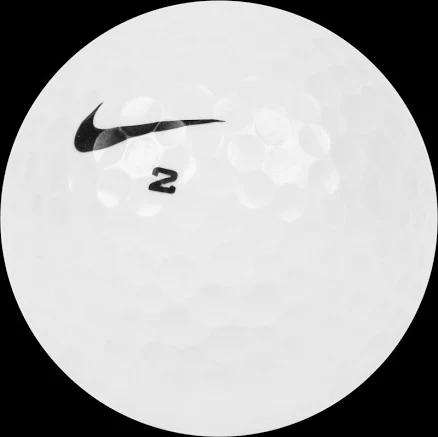
Nike Golf Ball Mix - 1 Dozen Good
Golf balls present minimal PFAS exposure risk. Skip if concerned.
Solid sports equipment with no water-repellent or nonstick coatings known to use PFAS. Nike discloses nothing about PFAS.
We flunk more products than we pass. This one earned its grade. How we grade
Material
Rubber, synthetic polymer core; urethane/elastomer cover
Lab data
No public lab test
You may also be interested in
Top-graded picks in the categories readers replace first, every one scored on the same rubric.

- polypropylene filter housing, carbon/sediment cartridge
- We found no PFAS statement from the brand
- Bacterial growth in spent cartridges
3 hazards checked on this product, all on its full breakdown.

Aquasure
Premier Series 75 GPD Under Sink Reverse Osmosis Water Filtration System
- RO membrane, carbon filters, stainless steel housing
- We found no PFAS statement from the brand
- Bacterial and microbial growth in housing and filters
4 hazards checked on this product, all on its full breakdown.

Avocado
Vegan Mattress
- organic cotton, natural latex, coconut coir, recycled steel coils
- The brand calls it PFAS-free, which we have not verified
- Heavy metals
2 hazards checked on this product, all on its full breakdown.
What Nike Golf Ball Mix - 1 Dozen Good is made of, ingredients and materials
Nike Golf Ball Mix uses a synthetic polymer core (likely surlyn or similar thermoplastic) wrapped in a urethane elastomer cover. These materials are chosen for durability and ball flight performance, not chemical leaching into food or skin contact. Golf balls do not off-gas significantly during normal outdoor use because they experience no heating or degradation stressors typical of cookware or textiles.
What’s concerning
Category baseline
The starting point for this type of product, before anything specific to this product is counted.
No PFAS disclosure
No public statement from the brand about PFAS in this product.
Microplastic shedding during use
Repeated striking and friction may cause minor surface abrasion and microparticle release into soil or water hazards. This is an environmental concern rather than direct human health hazard, but golfers on frequently used courses may contribute to microplastic accumulation in ecosystems.
What’s reassuring
Base material not linked to PFAS
The main material recorded for this product is not one associated with PFAS.
Heavy metals
No published data on lead, cadmium, or chromium in Nike Golf Ball cores or urethane covers. Standard urethane polymers do not require these additives; none are expected at detectable levels.
Source, FDA ↗Volatile organic compound off-gassing
Golf balls are not heated or stored in enclosed spaces during normal use. Urethane elastomers and synthetic polymers emit minimal VOCs at room temperature and outdoor air circulation. No off-gassing incidents reported for this product category.
Zinc or other core additives leaching into groundwater
Golf ball cores may contain zinc stearate or similar processing aids, but concentrations are low and balls are not submerged long-term. No documented groundwater contamination linked to golf ball use.
Skin sensitization from urethane contact
Urethane elastomers are well-tolerated on skin during brief athletic contact. No dermatitis or allergy reports specific to Nike Golf Balls. Risk is negligible for typical golfers with intact skin.
How is this PFAS grade calculated?
The brand's record and disclosure
Nike has not published specific safety data sheets or chemical composition transparency for recreational golf balls. The brand maintains general environmental and labor certifications but does not publicly disclose manufacturing chemicals or independent testing for heavy metals or volatile organics in ball materials. No recalls or safety complaints related to this product line are on record.
How it compares in its category
Golf balls across major manufacturers (Titleist, Callaway, Bridgestone, Taylormade) use similar urethane-cover and polymer-core construction. Nike's offering sits in the middle market tier and carries no known differentiation in chemical hazard profile. The 'Mix' designation indicates recycled or refurbished balls, which may see minor surface weathering but does not introduce new chemical risks.
If you buy it
Handle golf balls normally; no special storage or heat precautions are necessary for outdoor sports use. Avoid chewing or prolonged mouth contact, particularly for young children, as a precaution against minor polymer ingestion. Wash hands after play if balls have been in contaminated environments (water hazards, muddy terrain). Replace balls when covers crack or become waterlogged, as structural integrity affects performance, not safety.
What is not known about PFAS in this product?
- Basis
- Model estimate, 72% confidence, not a lab result
- Lab test
- None on record for this exact product
- Brand statement
- Nike has made a specific claim
Formulations change between production runs, so check the current label. How we grade.
More golf balls & equipment grades
How we score, every product runs through the same public 0-100 rubric based on materials, coatings, brand disclosure, lab findings, and recalls. See the full methodology → Spotted a mistake? Report an error.