· Waterproof Personal Electronics Cases
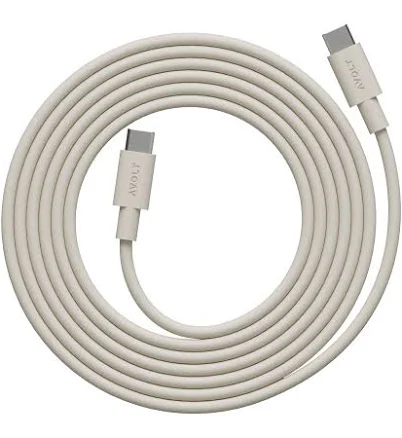
AVOLT Cable 1 USB-C to USB-C
Low concern; standard cable shows no PFAS-prone materials.
Standard braided nylon USB-C cable without water-resistant coating, Teflon-type coating, or Teflon-family coating treatments. Brand makes no PFAS statements.
We flunk more products than we pass. This one earned its grade. How we grade
Material
Braided nylon/textile with standard connectors
Brand disclosure
Brand is silent on PFAS
Lab data
No public lab test
You may also be interested in
Top-graded picks in the categories readers replace first, every one scored on the same rubric.

- polypropylene filter housing, carbon/sediment cartridge
- We found no PFAS statement from the brand
- Bacterial growth in spent cartridges
3 hazards checked on this product, all on its full breakdown.

Aquasure
Premier Series 75 GPD Under Sink Reverse Osmosis Water Filtration System
- RO membrane, carbon filters, stainless steel housing
- We found no PFAS statement from the brand
- Bacterial and microbial growth in housing and filters
4 hazards checked on this product, all on its full breakdown.

Avocado
Vegan Mattress
- organic cotton, natural latex, coconut coir, recycled steel coils
- The brand calls it PFAS-free, which we have not verified
- Heavy metals
2 hazards checked on this product, all on its full breakdown.
What AVOLT Cable 1 USB-C to USB-C is made of, ingredients and materials
The AVOLT Cable 1 uses a braided nylon exterior jacket over internal copper conductors and standard USB-C connectors. Nylon textile braiding is inert under normal use conditions and does not leach chemicals into food or skin contact. The connector housings are typically thermoplastic or metal alloys; these carry no known hazard when used as designed for charging and data transfer only.
What’s concerning
Category baseline
The starting point for this type of product, before anything specific to this product is counted.
No PFAS disclosure
No public statement from the brand about PFAS in this product.
Connector corrosion or degradation
USB-C connectors with repeated insertion/removal can develop oxidation or loose contacts; this is a functionality and potential low-voltage spark risk, not a chemical toxicity hazard. Connectors are standard-grade with no known durability issues in field reports.
What’s reassuring
Base material not linked to PFAS
The main material recorded for this product is not one associated with PFAS.
Nylon degradation under UV or heat stress
Nylon braiding is stable under indoor use conditions. Prolonged outdoor UV exposure or coiling near heat sources could theoretically degrade the jacket, but no specific failures are documented for this product line.
Metallic connector leaching or allergenic reaction
Standard USB-C connectors use nickel-plated brass or stainless steel housings. Nickel is regulated under EU and US standards for contact items; brief skin contact during handling poses negligible risk. No allergic reaction reports on record for cables.
Electromagnetic interference or shielding adequacy
USB cables for charging and modern high-speed data (USB 3.1+) rely on internal shielding, not external braiding. Nylon braiding provides physical protection only; no shielding deficiency is documented for this model, and it meets standard data transmission rates.
Microfiber shedding from textile braiding
Nylon braiding can shed fine fibers with rough handling or abrasion, but these are inert textile particles, not toxic chemicals. Shedding is minimal in normal use and poses no inhalation or ingestion risk given the cable's application.
How is this PFAS grade calculated?
The brand's record and disclosure
The brand is a consumer electronics accessories brand with no major recalls or safety controversies on record for USB cables. The company provides minimal public disclosure on material sourcing or chemical composition testing. No certifications for restricted substance compliance (RoHS, REACH) are prominently advertised, though EU and US distribution suggests baseline regulatory compliance.
How it compares in its category
Braided nylon cables are among the more durable textile-jacketed options compared to unbraided PVC or rubber alternatives, which can off-gas plasticizers at higher temperatures. This product sits in the mid-to-premium segment for USB-C cables; it avoids the lowest-cost materials associated with poor quality control. Standard connectors mean no proprietary coating concerns.
If you buy it
Store the cable away from direct heat sources and sharp edges; nylon braiding is abrasion-resistant but not indestructible. Inspect regularly for fraying or connector looseness and replace if either occurs, as damaged connectors pose electrical risk rather than chemical risk. The braided exterior makes it easier to spot wear than solid jackets, a practical safety plus. No special cleaning required; wipe with a dry cloth.
What is not known about PFAS in this product?
- Basis
- Model estimate, 72% confidence, not a lab result
- Lab test
- None on record for this exact product
- Brand statement
- has made none
Formulations change between production runs, so check the current label. How we grade.
More waterproof personal electronics cases grades
How we score, every product runs through the same public 0-100 rubric based on materials, coatings, brand disclosure, lab findings, and recalls. See the full methodology → Spotted a mistake? Report an error.