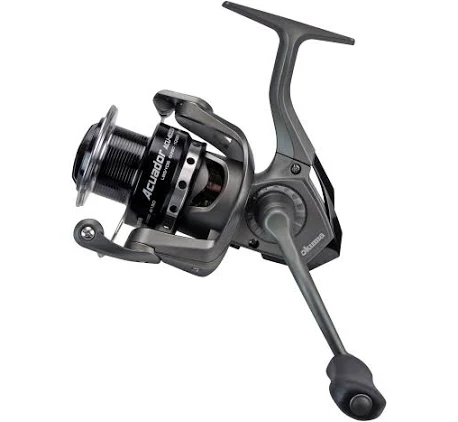
Okuma Acuador Spinning Fishing Reel
Lower concern, no known PFAS-prone materials in fishing reel design.
Okuma Acuador uses aluminum spool, stainless steel ball bearings, and anodized aluminum body without water repellency or nonstick coatings. No PFAS disclosure found.
We flunk more products than we pass. This one earned its grade. How we grade
Material
Aluminum spool, stainless steel ball bearings, anodized aluminum body
Brand disclosure
Brand is silent on PFAS
Lab data
No public lab test
You may also be interested in
Top-graded picks in the categories readers replace first, every one scored on the same rubric.

Aqua Pure
3M Aqua-Pure AP802B Whole House Filter Housing
- polypropylene filter housing, carbon/sediment cartridge
- We found no PFAS statement from the brand
- Bacterial growth in spent cartridges
3 hazards checked on this product. See all of them.

Aquasure
Premier Series 75 GPD Under Sink Reverse Osmosis Water Filtration System
- RO membrane, carbon filters, stainless steel housing
- We found no PFAS statement from the brand
- Bacterial and microbial growth in housing and filters
4 hazards checked on this product. See all of them.

Avocado
Vegan Mattress
- organic cotton, natural latex, coconut coir, recycled steel coils
- The brand calls it PFAS-free, which we have not verified
- Heavy metals
2 hazards checked on this product. See all of them.
What Okuma Acuador Spinning Fishing Reel is made of, ingredients and materials
The Okuma Acuador uses anodized aluminum for the body and spool, which creates a protective oxide layer that prevents direct aluminum contact with skin or saltwater corrosion. Stainless steel ball bearings resist rust and degradation during repeated use. The anodizing process itself is a standard industrial treatment with no documented consumer health risks.
What’s concerning
Category baseline
The starting point for this type of product, before anything specific to this product is counted.
No PFAS disclosure
No public statement from the brand about PFAS in this product.
Anodized aluminum coating degradation
Saltwater and mechanical wear can thin the anodized layer over years of use, eventually exposing raw aluminum. This does not pose acute health risk but can reduce reel lifespan and cause corrosion staining on hands.
Drag washer wear and particle shedding
Rubber or felt drag washers degrade with use and can flake into the gearbox. Fragments are too small to ingest but can reduce mechanical performance; regular replacement prevents this.
Sharp edges and pinch points
The bail arm and handle can pinch skin during casting or retrieval. This is a mechanical hazard inherent to the design, not a chemical one; users should maintain awareness during operation.
What’s reassuring
Base material not linked to PFAS
The main material recorded for this product is not one associated with PFAS.
Stainless steel nickel content
Ball bearings are typically 300-series stainless steel, which contains 8-10% nickel. Direct skin contact is brief during use; no allergic reactions to Okuma reels have been reported in public records.
Plastic housing leachables
Modern spinning reels use minimal plastic (mainly for foot and anti-reverse lever). No BPA or phthalate concerns are documented for Okuma reels or the fishing-gear category generally.
The full breakdown
The brand's record and disclosure
Okuma is a major Japanese fishing-equipment manufacturer with no public safety recalls or health controversies on record for their reels. The brand does not publicly disclose PFAS testing or sustainability certifications, which is typical for fishing-gear makers that do not market to health-conscious consumers. No third-party testing of Okuma reels for hazardous substances has been published in consumer safety databases.
How it compares in its category
Spinning reels across all brands use similar materials, anodized or painted aluminum bodies, stainless or carbon-steel bearings, and plastic drag washers. The Acuador is a mid-range model with no unusual material choices. Compared to budget reels with thinner anodizing or graphite bodies (which can shed particles), the aluminum-and-steel design is durable and chemically stable.
If you buy it
Rinse with fresh water after saltwater use to prevent corrosion and bearing seize. Do not expose the reel to extreme heat or flame, though normal sun exposure poses no risk. Check and replace drag washers (typically rubber or felt) every 1-2 seasons if heavily used, as wear accelerates friction. Store dry to avoid mold growth inside the housing, particularly in humid climates.
What we don’t know
- Basis
- Model estimate, 72% confidence, not a lab result
- Lab test
- None on record for this exact product
- Brand statement
- Okuma has made none
Formulations change between production runs, so check the current label. How we grade.
More fishing line grades
How we score, every product runs through the same public 0-100 rubric based on materials, coatings, brand disclosure, lab findings, and recalls. See the full methodology → Spotted a mistake? Report an error.