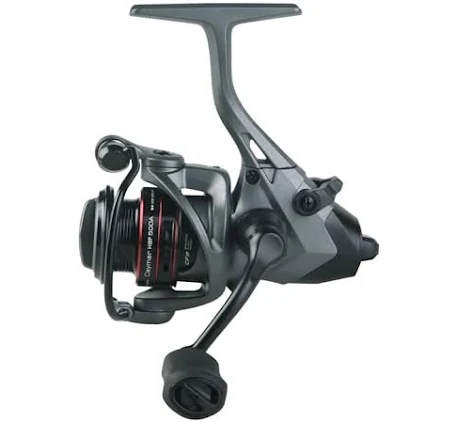
Okuma Ceymar Baitfeeder Spinning Reel
Fishing reel with standard metals, lower PFAS concern overall.
Okuma Ceymar Baitfeeder uses machined aluminum and stainless steel with no known water-repellent or nonstick coatings. No public PFAS disclosure exists.
We flunk more products than we pass. This one earned its grade. How we grade
Material
aluminum spool, stainless steel bail, machined metal components
Brand disclosure
Brand is silent on PFAS
Lab data
No public lab test
You may also be interested in
Top-graded picks in the categories readers replace first, every one scored on the same rubric.

Aqua Pure
3M Aqua-Pure AP802B Whole House Filter Housing
- polypropylene filter housing, carbon/sediment cartridge
- We found no PFAS statement from the brand
- Bacterial growth in spent cartridges
3 hazards checked on this product. See all of them.

Aquasure
Premier Series 75 GPD Under Sink Reverse Osmosis Water Filtration System
- RO membrane, carbon filters, stainless steel housing
- We found no PFAS statement from the brand
- Bacterial and microbial growth in housing and filters
4 hazards checked on this product. See all of them.

Avocado
Vegan Mattress
- organic cotton, natural latex, coconut coir, recycled steel coils
- The brand calls it PFAS-free, which we have not verified
- Heavy metals
2 hazards checked on this product. See all of them.
What Okuma Ceymar Baitfeeder Spinning Reel is made of, ingredients and materials
The Ceymar Baitfeeder uses an aluminum spool paired with stainless steel bail and machined metal components. Aluminum spools are industry standard in spinning reels because they resist corrosion in freshwater and saltwater environments while remaining lightweight. Stainless steel bail components avoid rust and do not leach heavy metals under normal use. No organic coatings, plastics in contact with food, or thermal exposure during operation means traditional leaching concerns (lead, cadmium, BPA) are not applicable to this product class.
What’s concerning
Category baseline
The starting point for this type of product, before anything specific to this product is counted.
No PFAS disclosure
No public statement from the brand about PFAS in this product.
Stainless steel surface degradation
Prolonged saltwater exposure without rinsing can cause pitting corrosion on stainless steel bail, but this is cosmetic and functional deterioration, not a chemical hazard. Rinsing mitigates this entirely.
Adhesive or lubricant off-gassing
Internal seals and bearings may use synthetic lubricants or epoxy adhesives that could off-gas minimally in direct sun or heat; exposure is indirect (no inhalation contact) and negligible during typical fishing use. Ventilation during storage is not necessary.
What’s reassuring
Base material not linked to PFAS
The main material recorded for this product is not one associated with PFAS.
Aluminum leaching
Aluminum spool does not contact food or drinking water in normal use; leaching risk is negligible for fishing equipment. No acidic or alkaline conditions are present during operation.
Heavy metals
No published recalls or testing identifies lead, cadmium, or other heavy metals in Okuma reel materials. Stainless steel and aluminum do not contain these contaminants in standard industrial grades.
Source, FDA ↗Microabrasion or particulate shedding
Machined aluminum and stainless steel do not shed microplastics or problematic particulates under normal operation. Wear sediment from drag bearings remains inside the sealed reel.
The full breakdown
The brand's record and disclosure
Okuma is a Japanese-owned fishing equipment manufacturer with no established history of safety recalls or chemical disclosure controversies. The brand does not publicly disclose PFAS use in manufacturing or in the finished product, and no third-party testing or certification claims are readily available. Okuma has maintained a low public profile on chemical safety standards, which is typical for the fishing tackle industry but means independent verification of material sourcing is limited.
How it compares in its category
Spinning reels of this type compete on corrosion resistance and durability rather than chemical safety, as they are not food-contact equipment. The Ceymar Baitfeeder's aluminum and stainless steel construction is standard across mid-range competitors and poses no known elevated hazard versus brands like Shimano or Abu Garcia. Cost and performance differentiation dominate the category; chemical safety concerns are rare and undifferentiated across major brands.
If you buy it
Routine freshwater rinse after saltwater use prevents salt corrosion on metal surfaces and extends reel life. Avoid prolonged exposure to extreme heat (above 140F / 60C) to prevent adhesive degradation in internal seals, though normal fishing use will not reach this. Check drag system and bail spring annually for wear; replace if notchy or unresponsive. Store in a dry environment to minimize moisture-induced corrosion on machined edges.
What we don’t know
- Basis
- Model estimate, 72% confidence, not a lab result
- Lab test
- None on record for this exact product
- Brand statement
- Okuma has made none
Formulations change between production runs, so check the current label. How we grade.
More fishing line grades
How we score, every product runs through the same public 0-100 rubric based on materials, coatings, brand disclosure, lab findings, and recalls. See the full methodology → Spotted a mistake? Report an error.