· Waterproof Personal Electronics Cases
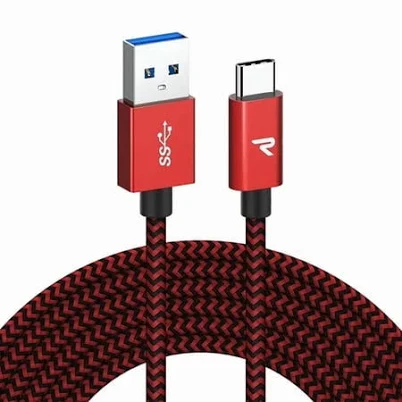
3.3ft Braided USB-a to Type-C Cable
Low risk. Standard USB cable, no coating concerns detected.
Braided nylon and polyester jacket without known PFAS-heavy coatings like Teflon-type coating or water-resistant treatments. Typical USB cable construction.
We flunk more products than we pass. This one earned its grade. How we grade
Material
Braided nylon/polyester jacket, copper conductors, plastic connectors
Brand disclosure
Brand is silent on PFAS
Lab data
No public lab test
You may also be interested in
Top-graded picks in the categories readers replace first, every one scored on the same rubric.

- polypropylene filter housing, carbon/sediment cartridge
- We found no PFAS statement from the brand
- Bacterial growth in spent cartridges
3 hazards checked on this product, all on its full breakdown.

Aquasure
Premier Series 75 GPD Under Sink Reverse Osmosis Water Filtration System
- RO membrane, carbon filters, stainless steel housing
- We found no PFAS statement from the brand
- Bacterial and microbial growth in housing and filters
4 hazards checked on this product, all on its full breakdown.

Avocado
Vegan Mattress
- organic cotton, natural latex, coconut coir, recycled steel coils
- The brand calls it PFAS-free, which we have not verified
- Heavy metals
2 hazards checked on this product, all on its full breakdown.
What 3.3ft Braided USB-a to Type-C Cable is made of, ingredients and materials
This cable uses a braided nylon or polyester outer jacket over copper conductors, with plastic (likely polycarbonate or ABS) connectors. Braided jackets improve durability and reduce fraying compared to solid rubber, but the synthetic fibers and plastic components are inert under normal charging conditions. Copper conductors are standard and pose no leaching risk; plastic connectors do not contact food or skin prolonged enough to trigger typical migration concerns at room temperature.
What’s concerning
Category baseline
The starting point for this type of product, before anything specific to this product is counted.
No PFAS disclosure
No public statement from the brand about PFAS in this product.
Plastic connector degradation and cracking
Polycarbonate or ABS connectors can develop micro-cracks under repeated mechanical stress (bending, insertion) or heat. Exposure of internal metal contacts risks short circuits but not leaching of toxic compounds into food or skin contact.
What’s reassuring
Base material not linked to PFAS
The main material recorded for this product is not one associated with PFAS.
Synthetic jacket fiber shedding
Braided nylon and polyester are inert fibers; no documented health risk from inhalation or skin contact in typical handling. Microfiber shedding does not occur at the rate of worn textiles and poses no established hazard.
Copper conductor oxidation and corrosion
Bare or tin-plated copper in USB cables does not leach into the user; oxidation over years reduces conductivity (slower charging) but does not release toxic compounds.
Off-gassing from plastic jacket and connectors
Braided nylon and polycarbonate do not emit volatile organic compounds at room temperature or typical use conditions. No formaldehyde or solvent residue is documented in standard USB cable materials.
Allergen risk from braided fibers
Synthetic nylon and polyester do not contain known allergens like natural latex or formaldehyde resins. Risk of contact dermatitis from cable handling is negligible.
How is this PFAS grade calculated?
The brand's record and disclosure
The brand does not publicly disclose cable material certifications or safety testing in detail beyond standard USB compliance claims. The brand has not faced documented safety recalls for USB cables in this product line. No formal statements on restricted substances (lead, cadmium, phthalates) in accessory materials are publicly available, making independent verification difficult. This silence is typical for the electronics accessories sector but limits transparency.
How it compares in its category
Braided USB cables from mainstream brands (the brand, Anker, Amazon Basics) share similar material profiles and carry no known hazard profile above unbranded commodity cables. Braiding is generally viewed as a durability upgrade with no safety downside. Cables meet basic USB-IF certification requirements like other certified products in this price tier. Longevity and connector durability are the practical differentiators, not chemical safety.
If you buy it
Use at room temperature and avoid prolonged exposure to direct sunlight or heat sources above 60°C, which could degrade the plastic jacket over years. Inspect the connector and jacket quarterly for cracks, exposed wires, or fraying; replace immediately if damage appears. Store coiled loosely to prevent internal conductor stress fractures. This cable is disposable and has a typical lifespan of 2-4 years with normal smartphone charging; plan for replacement rather than indefinite use.
What is not known about PFAS in this product?
- Basis
- Model estimate, 72% confidence, not a lab result
- Lab test
- None on record for this exact product
- Brand statement
- has made none
Formulations change between production runs, so check the current label. How we grade.
More waterproof personal electronics cases grades
How we score, every product runs through the same public 0-100 rubric based on materials, coatings, brand disclosure, lab findings, and recalls. See the full methodology → Spotted a mistake? Report an error.