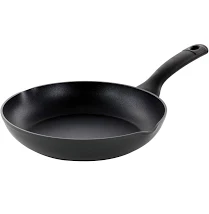
Oster Kingsway Aluminum Nonstick Frying Pan
Skip until coating details are disclosed; nonstick cookware warrants verification.
Oster does not disclose the nonstick coating type on this pan. Nonstick cookware often uses Teflon-type coating or other Teflon-family coating; without confirmation of a lower-concern alternative like ceramic or mineral, avoid.
The better-graded swap
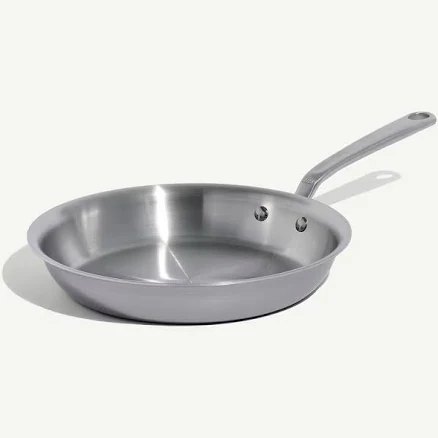
Made In
MADE IN 10' Stainless Clad Frying Pan
100/100 safety
Same rubric that flunked this product. The swap earned Excellent.
Still want this one anyway? Check the price on Amazon. We’d swap it.
Material
Aluminum with unspecified nonstick coating
Brand disclosure
Brand is silent on PFAS
Lab data
No public lab test
Is Oster Kingsway Aluminum Nonstick Frying non-toxic? What it is made of
This pan has an aluminum body with an unspecified nonstick coating. Aluminum itself can leach into acidic foods, but the nonstick surface is meant to prevent direct contact. The problem, without knowing the coating chemistry, you cannot assess whether it contains Teflon-type coating (Teflon) or alternatives, or how it degrades under heat and wear. Coating degradation is the primary safety concern with aluminum nonstick cookware.
What’s concerning
Non-stick, chemistry undisclosed
Marketed as non-stick without stating the coating chemistry.
Category baseline
The starting point for this type of product, before anything specific to this product is counted.
No PFAS disclosure
No public statement from the brand about PFAS in this product.
Teflon-type coating fume risk (nonstick coating thermal breakdown)
Coating type is undisclosed; if Teflon-type coating-based, overheating above 500 F can release fumes toxic to respiratory tissue and pets. No specific incidents reported for Kingsway model, but risk cannot be ruled out without coating confirmation.
Aluminum leaching
Uncoated or degraded aluminum can leach into acidic foods (tomatoes, vinegar, citrus). The nonstick coating is meant to prevent this, but once it chips or peels, direct aluminum-food contact occurs. This is a wear-out hazard, not a manufacturing defect on record.
Coating degradation over time
All nonstick coatings degrade with use, heat cycling, and mechanical wear. Aluminum pans with unspecified coatings often show peeling or dulling within 1-3 years of regular use. No data specific to Kingsway durability is available, but this is typical for budget nonstick cookware.
Disclosure and verification gap
Oster's refusal or omission to specify nonstick coating chemistry (Teflon-type coating vs. ceramic vs. alternative) is a transparency failure. Consumers cannot make an informed hazard assessment, which is the core safety issue here, separate from PFAS grading.
What’s reassuring
Lead
No external enamel or ceramic glazing is described for this product; risk is not applicable unless the exterior finish contains such coatings, which is not indicated in available product information.
Source, ATSDR ↗The full breakdown
The brand's record and disclosure
Oster has not publicly disclosed the specific nonstick coating technology used in the Kingsway line. The company maintains a silent stance on PFAS in their cookware, which is a red flag for consumer transparency. No independent recalls or safety certifications specific to this model are on record, but lack of disclosure does not indicate safety. Responsible nonstick manufacturers (e.g., GreenPan, Our Place) openly specify their coatings; Oster's silence is a liability.
How it compares in its category
Most budget-to-mid-range aluminum nonstick pans use legacy Teflon-type coating coatings or proprietary blends that manufacturers rarely disclose. Higher-transparency brands offer ceramic, hard-anodized aluminum, or water-based nonstick alternatives with published coating specs. The Kingsway sits in the non-transparent middle, no major red flags on record, but also no way to verify what you are buying. Stainless steel or cast iron alternatives eliminate nonstick coating risk entirely, though with different trade-offs.
If you buy it
Keep heat below medium-high (below 500 F); high heat accelerates coating degradation and potential fume release. Hand wash only; dishwasher heat and abrasion degrade nonstick coatings faster. Inspect the coating monthly for chips, peeling, or discoloration. Replace the pan if the coating shows visible wear or if you notice metallic taste or odor when heated, which may signal aluminum or coating breakdown. Store with pan protectors to avoid bumping.
What we don’t know
- Basis
- Model estimate, 35% confidence, not a lab result
- Lab test
- None on record for this exact product
- Brand statement
- Oster has made none
Formulations change between production runs, so check the current label. How we grade.
Better-graded alternatives in Cookware
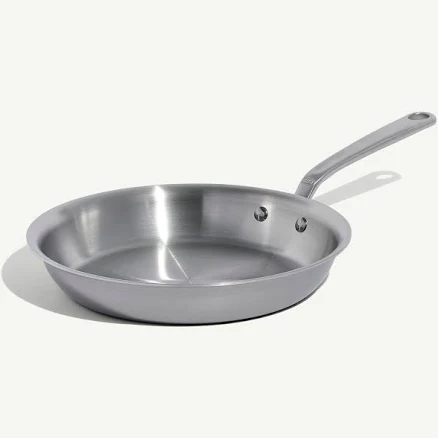
Made In
Stainless Clad Fry Pan
- Stainless steel clad construction, no nonstick coating
- The brand calls it PFAS-free, which we have not verified
- Clad separation or delamination over time
Made In
10' Stainless Clad Frying Pan
- stainless steel clad construction, no nonstick coating
- The brand calls it PFAS-free, which we have not verified
- Nickel leaching from stainless steel
3 hazards checked on this product. See all of them.
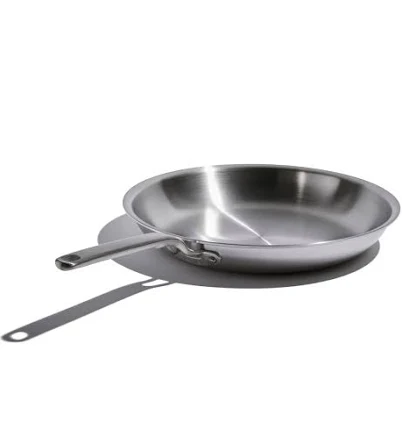
Heritage Steel
Eater Fry Pan
- Clad stainless steel, no coating
- The brand calls it PFAS-free, which we have not verified
- Metal ion release during cooking (iron, nickel, chromium)
More cookware grades
How we score, every product runs through the same public 0-100 rubric based on materials, coatings, brand disclosure, lab findings, and recalls. See the full methodology → Spotted a mistake? Report an error.