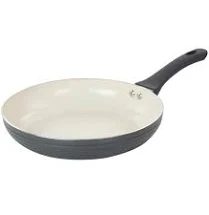
Oster Ridge Valley Aluminum Nonstick Frying Pan in Grey
Skip until coating is disclosed; nonstick cookware risk unclear.
Oster provides no details on the nonstick coating type or PFAS content. Standard nonstick cookware often uses Teflon-family coating; confirmation needed before purchase.
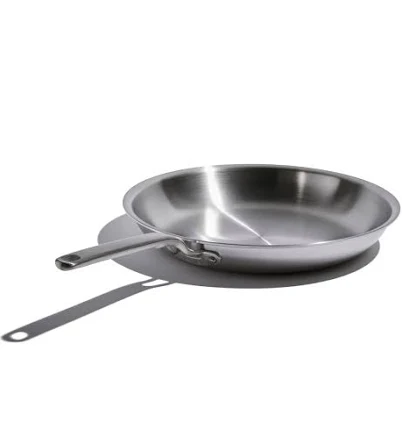
The better-graded swap
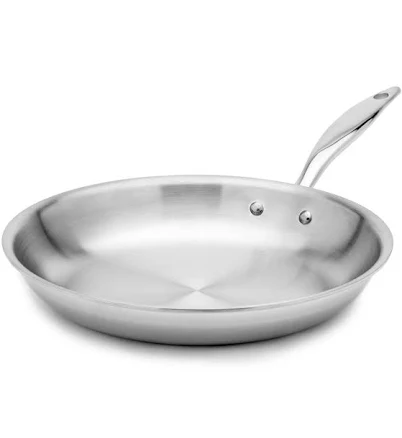
Heritage Steel
Heritage Steel Fry Pan
100/100 safety
Same rubric that flunked this product. The swap earned Excellent.
Still want this one anyway? Check the price on Amazon. We’d swap it.
Material
Aluminum with nonstick coating, composition unspecified
Brand disclosure
Brand is silent on PFAS
Lab data
No public lab test
Is Oster Ridge Valley Aluminum Nonstick non-toxic? What it is made of
This pan is aluminum with a nonstick coating of unspecified composition. Aluminum conducts heat efficiently but is reactive to acidic foods unless the coating remains intact. The coating type (Teflon-type coating-based, ceramic, silicone, or hybrid) is not stated by Oster, which is a critical gap because different nonstick chemistries carry different degradation and fume risks. Without knowing the binder system or topcoat chemistry, you cannot assess whether the coating will flake, off-gas, or release problematic compounds under normal or abused use.
What’s concerning
Non-stick, chemistry undisclosed
Marketed as non-stick without stating the coating chemistry.
Category baseline
The starting point for this type of product, before anything specific to this product is counted.
No PFAS disclosure
No public statement from the brand about PFAS in this product.
Teflon-type coating fume risk (thermal decomposition)
The coating type is undisclosed. If Teflon-type coating (Teflon) based, heating above 500°F produces toxic fumes; typical home cooking below 400°F is generally considered safe, but accidental high heat (empty pan, self-cleaning oven) poses risk. Oster's silence on whether Teflon-type coating is used prevents full assessment.
Aluminum leaching into food
Once the nonstick coating degrades (scratches, peeling, or age-related thinning), bare aluminum can contact acidic or high-salt foods, leaching small amounts of aluminum. Risk is highest with tomato-based, citrus, or wine-based dishes. The coating on this pan is not hard-anodized, so it is more vulnerable to early failure.
Coating degradation and microparticle release
Aluminum nonstick coatings, especially on budget models, are susceptible to peeling and flaking with normal use over 2-3 years. Once flaking begins, small coating fragments may be ingested or the underlying aluminum exposed. Regular inspection is essential; any visible damage warrants replacement.
Off-gassing or volatile compounds from undisclosed coating binders
Nonstick coating binders and topcoats can include proprietary polymer blends. If the product contains Teflon-type coating, silicone, or polyimide resins, heating may release low levels of volatile compounds or unreacted monomers. Oster's lack of disclosure prevents direct assessment.
What’s reassuring
Lead
No recalls or reports of lead/cadmium contamination in this specific model or Oster cookware line are on record. Oster cookware is not marketed as artisanal or hand-glazed, reducing this risk, but without independent testing data, it cannot be ruled out entirely.
Source, ATSDR ↗The full breakdown
The brand's record and disclosure
Oster has not publicly disclosed the specific nonstick coating chemistry or PFAS status of this product line. No independent certifications (e.g., GOTS, Oeko-Tex, or voluntary fluorine-free claims) are listed for this cookware. The parent company (Sunbeam Products) has faced no major public recalls or safety controversies for this specific pan model, but the silence on coating composition is a transparency red flag in an industry where PFAS use is common and increasingly scrutinized.
How it compares in its category
Aluminum nonstick pans are mid-range in durability and cost. They are lighter and less expensive than stainless steel with similar thermal performance, but more prone to coating wear than hard-anodized or multi-layer alternatives. Ceramic nonstick or cast iron (uncoated) options eliminate the coating degradation question entirely. Carbon steel is a durable alternative if you accept the learning curve of seasoning; many consumers prefer those for peace of mind over unknown nonstick chemistries.
If you buy it
Never use above medium heat; high heat accelerates nonstick coating breakdown and increases fume risk if Teflon-type coating is present. Hand wash only; dishwasher use and metal utensils cause coating flaking. Inspect the cooking surface monthly for scratches, peeling, or discoloration; discard the pan if the coating is visibly damaged. Store away from direct sunlight and humidity to slow degradation. Replace every 3-5 years or sooner if the nonstick performance drops significantly, as this signals imminent structural failure.
What we don’t know
- Basis
- Model estimate, 35% confidence, not a lab result
- Lab test
- None on record for this exact product
- Brand statement
- Oster has made none
Formulations change between production runs, so check the current label. How we grade.
Better-graded alternatives in Cookware
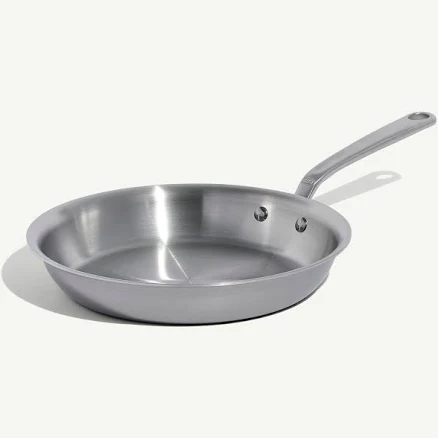
Made In
Stainless Clad Fry Pan
- Stainless steel clad construction, no nonstick coating
- The brand calls it PFAS-free, which we have not verified
- Clad separation or delamination over time
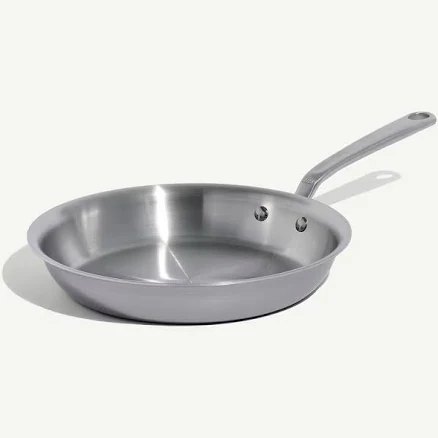
Made In
10' Stainless Clad Frying Pan
- stainless steel clad construction, no nonstick coating
- The brand calls it PFAS-free, which we have not verified
- Nickel leaching from stainless steel
3 hazards checked on this product. See all of them.
Heritage Steel
Eater Fry Pan
- Clad stainless steel, no coating
- The brand calls it PFAS-free, which we have not verified
- Metal ion release during cooking (iron, nickel, chromium)
More cookware grades
How we score, every product runs through the same public 0-100 rubric based on materials, coatings, brand disclosure, lab findings, and recalls. See the full methodology → Spotted a mistake? Report an error.