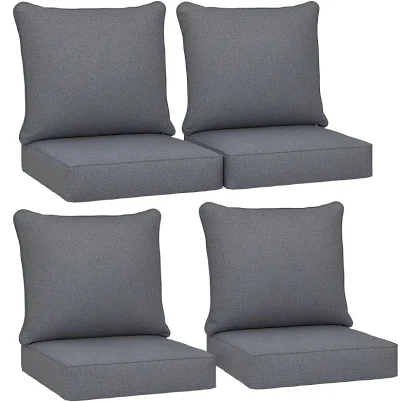
· Outdoor Furniture Cushion Protectants
Fade Resistant Outdoor Chair Cushions Set Of 4
Avoid until brand discloses the treatment formula; outdoor textiles often use PFAS.
This cushion claims fade and stain resistance but the brand will not say which chemicals achieve it. Outdoor textiles commonly use perfluorinated compounds for water and stain resistance.
The better-graded swap
Blazing Needles
74 in by 19 in Outdoor Solid Polyester Tufted Chaise Lounge Cushion
85/100 safety
Same rubric that flunked this product. The swap earned Excellent.
Still want this one anyway? Check the price on Amazon. We’d swap it.
Material
Outdoor cushion fabric with fade-resistant and stain-resistant treatment (unspecified)
Brand disclosure
Brand is silent on PFAS
Lab data
No public lab test
You may also be interested in
Top-graded picks in the categories readers replace first, every one scored on the same rubric.

- polypropylene filter housing, carbon/sediment cartridge
- We found no PFAS statement from the brand
- Bacterial growth in spent cartridges
3 hazards checked on this product, all on its full breakdown.

Aquasure
Premier Series 75 GPD Under Sink Reverse Osmosis Water Filtration System
- RO membrane, carbon filters, stainless steel housing
- We found no PFAS statement from the brand
- Bacterial and microbial growth in housing and filters
4 hazards checked on this product, all on its full breakdown.

Avocado
Vegan Mattress
- organic cotton, natural latex, coconut coir, recycled steel coils
- The brand calls it PFAS-free, which we have not verified
- Heavy metals
2 hazards checked on this product, all on its full breakdown.
What Fade Resistant Outdoor Chair Cushions Set is made of, ingredients and materials
The brand does not publicly specify the fiber content (polyester, acrylic, or cotton blend are typical for outdoor cushions) or the exact chemistry of its fade-resistant and stain-resistant treatment. The stain resistance is the main concern, as outdoor fabrics commonly receive durable water and oil repellent (DWOR) finishes that historically relied on PFAS compounds, though some manufacturers have begun transitioning to alternatives with lower PFAS concern. Without ingredient disclosure, the specific chemical load cannot be assessed. The fabric itself, if polyester or acrylic, poses minimal leaching risk during normal use, but the treatment layer is the unknown variable.
What’s concerning
Category baseline
The starting point for this type of product, before anything specific to this product is counted.
Vague safety claims only
Uses vague language ("eco-friendly", "clean") without a specific PFAS statement.
Waterproof / stain-resistant treatment
Water-repellent coating treatments have historically used PFAS.
PFAS
Outdoor textiles commonly use PFAS-based DWOR treatments for water and stain resistance. The brand provides no public statement ruling out PFAS, and the undisclosed treatment formula is a red flag in this product category.
Source, ATSDR ↗Formaldehyde / VOCs
Fade-resistant finishes sometimes involve formaldehyde-based cross-linking resins to set dyes and coatings. No independent test data is available for this specific product; levels depend on post-manufacture curing and ventilation during production.
Source, ATSDR ↗Heavy metals
Fade resistance implies dyed fabric. Low-cost outdoor textiles may use azo dyes (some of which break down into carcinogens) or pigments containing lead or cadmium. No third-party certification (OEKO-TEX, Bluesign) is stated for this product.
Source, FDA ↗Coating degradation and increased leaching over time
Outdoor cushion treatments degrade from UV, moisture, and thermal cycling. As coatings crack and peel, any chemicals in the finish layer can migrate to skin contact surfaces and indoor dust if cushions are used indoors seasonally.
Fiber shedding and microplastic contribution
Synthetic outdoor fabrics (polyester or acrylic blends typical in this category) shed microfibers, especially if the finish treatment weakens or if cushions are machine washed. This is not a direct toxin but a durability and environmental concern relevant to care practices.
How is this PFAS grade calculated?
The brand's record and disclosure
The brand maintains a public sustainability page but does not disclose PFAS use, chemical treatments, or third-party certifications (such as OEKO-TEX or Cradle to Cradle) for these cushions. The brand has not published a chemical inventory, commitment timeline to phase PFAS, or response to PFAS inquiries in available public records. This silence on treatment chemistry is consistent with many mainstream outdoor cushion brands that have not yet faced regulatory pressure or consumer pressure to disclose. Until the brand provides a formal statement on PFAS avoidance or confirmation of PFAS-free treatment, the product must be assumed to carry PFAS risk.
How it compares in its category
Most budget and mid-range outdoor cushion sets lack full chemical transparency. Competitors like Sunbrella (brand-level treatment disclosure) and certified options (OEKO-TEX Standard 100 cushion covers) provide more assurance. The brand' pricing and market position suggest use of cost-effective stain treatments, which historically correlate with PFAS-based formulations rather than newer, pricier alternatives. Premium outdoor cushion lines increasingly market PFAS-free status; the absence of such claims here is notable.
If you buy it
Request written confirmation of PFAS status from customer service before purchase. Store cushions indoors during off-season to reduce UV and water exposure, which can degrade coatings and increase leaching risk. Avoid machine washing or high-heat drying, which may compromise the treatment layer; spot-clean with mild soap and air dry instead. Replace cushions if visible coating wear or cracking appears, as degraded treatment can increase chemical migration to skin contact surfaces.
What is not known about PFAS in this product?
- Basis
- Model estimate, 35% confidence, not a lab result
- Lab test
- None on record for this exact product
- Brand statement
- has made none
Formulations change between production runs, so check the current label. How we grade.
What are the PFAS-free alternatives to Fade Resistant Outdoor Chair Cushions Set Of 4?
Blazing Needles
74 in by 19 in Outdoor Solid Polyester Tufted Chaise Lounge Cushion
- Polyester fill with polyester cover
- We found no PFAS statement from the brand
- Azo dyes in polyester textiles
2 hazards checked on this product, all on its full breakdown.
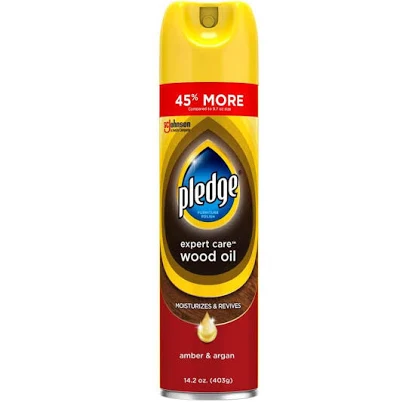
- mineral oil, argan oil blend
- We found no PFAS statement from the brand
- Fragrance allergens and undisclosed components
4 hazards checked on this product, all on its full breakdown.
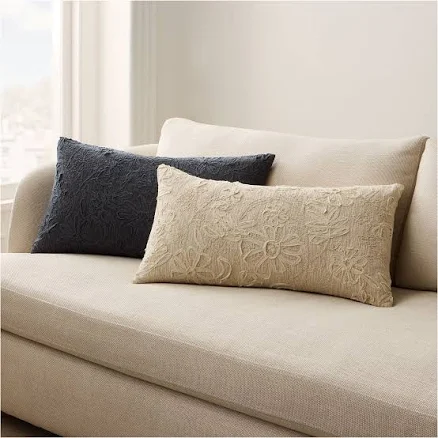
- 100% cotton canvas
- Azo dyes and dye contamination
3 hazards checked on this product, all on its full breakdown.
More outdoor furniture cushion protectants grades
How we score, every product runs through the same public 0-100 rubric based on materials, coatings, brand disclosure, lab findings, and recalls. See the full methodology → Spotted a mistake? Report an error.