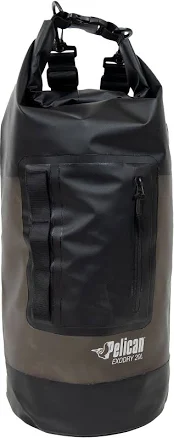
Pelican · Waterproof Bags & Luggage
Pelican Exodry Waterproof Dry Bag
Dry bags use waterproof coatings. Pelican silent on PFAS. Skip if concerned.
Pelican Exodry bags are waterproof dry bags with durable coatings, but the brand doesn't disclose PFAS information. Material composition and coating chemistry remain unspecified.
The better-graded swap

Salomon
Salomon Extended Totebag
85/100 safety
Same rubric that flunked this product. The swap earned Excellent.
Still want this one anyway? Check the price on Amazon. We’d swap it.
Material
TPU or polymer with waterproof durable coating, composition unspecified
Lab data
No public lab test
You may also be interested in
Top-graded picks in the categories readers replace first, every one scored on the same rubric.

Aqua Pure
3M Aqua-Pure AP802B Whole House Filter Housing
- polypropylene filter housing, carbon/sediment cartridge
- We found no PFAS statement from the brand
- Bacterial growth in spent cartridges
3 hazards checked on this product. See all of them.

Aquasure
Premier Series 75 GPD Under Sink Reverse Osmosis Water Filtration System
- RO membrane, carbon filters, stainless steel housing
- We found no PFAS statement from the brand
- Bacterial and microbial growth in housing and filters
4 hazards checked on this product. See all of them.

Avocado
Vegan Mattress
- organic cotton, natural latex, coconut coir, recycled steel coils
- The brand calls it PFAS-free, which we have not verified
- Heavy metals
2 hazards checked on this product. See all of them.
What Pelican Exodry Waterproof Dry Bag is made of, ingredients and materials
The Exodry uses TPU (thermoplastic polyurethane) or similar synthetic polymer with a waterproof durable coating to repel water. The specific coating chemistry is not publicly disclosed by Pelican, which is common in the dry bag category and raises questions about whether PFAS or other fluorinated compounds are present. TPU itself is not inherently toxic, but the waterproofing layer applied to it is the chemical frontier of concern. Without transparency, you cannot rule out legacy PFAS in the coating formulation.
What’s concerning
Category baseline
The starting point for this type of product, before anything specific to this product is counted.
No PFAS disclosure
No public statement from the brand about PFAS in this product.
Waterproof / stain-resistant treatment
Water-repellent coating treatments have historically used PFAS.
PFAS
Waterproof TPU or polymer coatings on dry bags commonly used fluorinated compounds historically; Pelican has not disclosed whether legacy PFAS are in the Exodry formulation. This is the primary chemical concern for the product category.
Source, ATSDR ↗Coating degradation and particulate release
TPU-coated bags can delaminate or peel over time, particularly if exposed to heat, UV, or rough handling. Released particles are typically visible and cosmetic rather than immediately hazardous, but ingestion should be avoided.
Polymer off-gassing at elevated temperature
If stored in very warm environments (vehicles, attics) or near heat sources, TPU can emit volatile organic compounds at low levels. This is not a primary risk for typical use but is a consideration for prolonged exposure in confined spaces.
Bacterial or mold growth if wet storage
If the bag is sealed while damp or stored in humid conditions, interior surfaces can harbor bacteria or mold. This is a hygiene issue rather than a material toxicity issue; dry thoroughly before storage.
What’s reassuring
Heavy metals
No specific incidents or testing data for Pelican Exodry dry bags. Pigments in synthetic polymer coatings are generally regulated, but independent testing is not public.
Source, FDA ↗The full breakdown
The brand's record and disclosure
Pelican is an established outdoor equipment manufacturer known for ruggedness but has not published material safety data sheets or PFAS commitment statements for consumer dry bags. The company has no known public recalls or safety controversies specific to the Exodry line, but silence on coating composition is typical of the industry and does not indicate safety. Pelican does not advertise PFAS-free or fluorine-free alternatives for this product category.
How it compares in its category
Waterproof dry bags universally rely on coated polymers; Pelican's Exodry is mainstream in this respect and does not stand out as higher or lower risk than competitors like Patagonia or Osprey bags, which are similarly opaque about coating chemistry. Some niche brands advertise PFAS-free or wax-coated alternatives, though these are less common and typically cost more. The Exodry's reputation is solid for durability and water resistance, which are the primary functional metrics consumers evaluate.
If you buy it
Keep the bag away from direct heat, flame, and high temperatures, as degradation of the polymer or coating could release particles or volatiles. Do not place it near cooking appliances or leave it in hot vehicles for extended periods. Inspect regularly for tears, delamination, or discoloration; if the coating begins to flake or smell chemical, discontinue use. Wash with cool water and mild soap only; avoid solvents or abrasive cleaners that could compromise the waterproof layer.
What we don’t know
- Basis
- Model estimate, 42% confidence, not a lab result
- Lab test
- None on record for this exact product
- Brand statement
- Pelican has made a specific claim
Formulations change between production runs, so check the current label. How we grade.
Better-graded alternatives in Waterproof Bags & Luggage
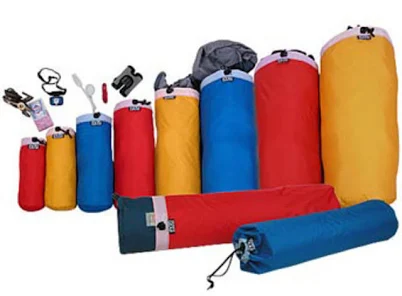
Granite Gear
ToughSack Assorted Colors
- Cordura nylon fabric
- We found no PFAS statement from the brand
- Heavy metals
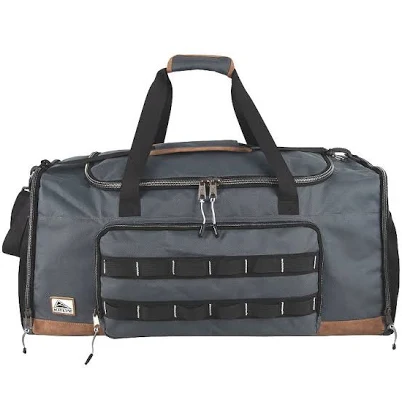
Kelty
Daisy Chain Web Duffel Bag
- Polyester webbing and nylon
- Azo dyes in polyester webbing
4 hazards checked on this product. See all of them.
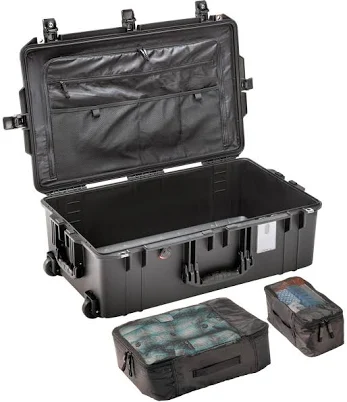
Pelican
1595 Air Travel Case
- Polypropylene shell, polyurethane foam, stainless steel hardware
- Polyurethane foam degradation and off-gassing
More waterproof bags & luggage grades
How we score, every product runs through the same public 0-100 rubric based on materials, coatings, brand disclosure, lab findings, and recalls. See the full methodology → Spotted a mistake? Report an error.